
When is hurricane season in Florida? The official Atlantic hurricane season runs from June 1 through November 30 every year, with peak activity typically occurring between mid-August and late October. Florida’s unique geography makes it particularly vulnerable to these powerful storms, and understanding the timing and patterns of hurricane season is essential for residents, business owners, and visitors planning trips to the Sunshine State.
Official Hurricane Season Timeline in Florida
The Atlantic hurricane season follows a consistent calendar each year, established by the National Hurricane Center and the National Oceanic and Atmospheric Administration (NOAA). This six-month period represents when conditions in the Atlantic Ocean, Caribbean Sea, and Gulf of Mexico are most favorable for tropical cyclone development.
| Period | Dates | Activity Level |
|---|---|---|
| Early Season | June 1 – July 31 | Low to Moderate |
| Peak Season | August 15 – October 15 | High |
| Late Season | October 16 – November 30 | Moderate to Low |
While the official season spans six months, historical data shows that September is statistically the most active month for hurricane activity affecting Florida. During this time, ocean temperatures reach their warmest levels, and atmospheric conditions align to support storm development and intensification.
Why Florida Experiences More Hurricanes
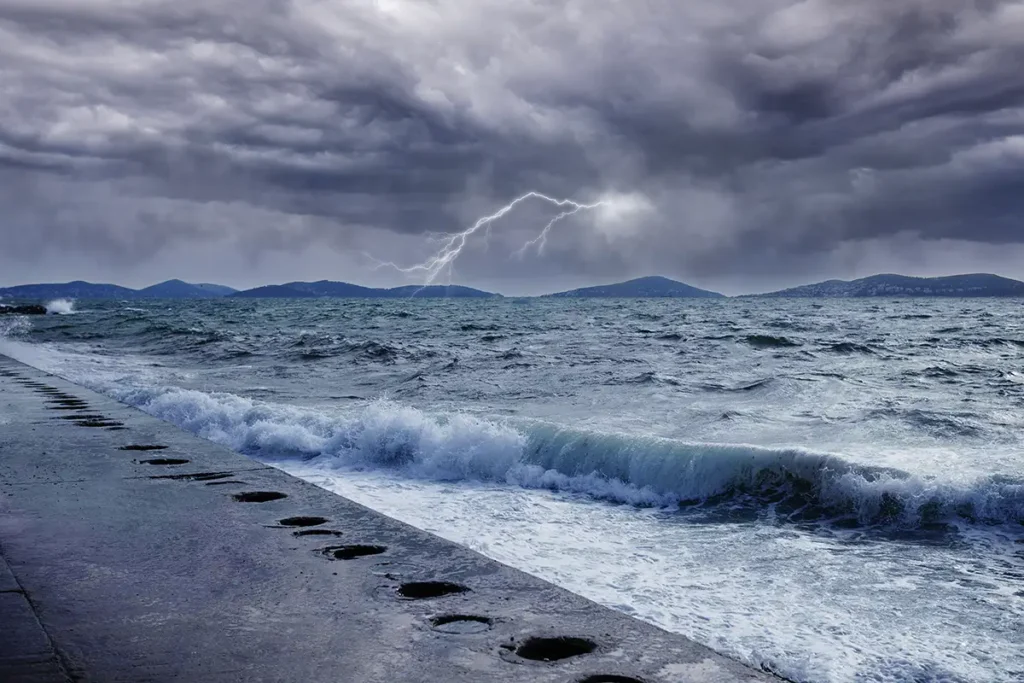
Florida’s peninsula shape and location make it especially susceptible to hurricane impacts. The state is surrounded by warm waters on three sides—the Atlantic Ocean, the Gulf of Mexico, and the Straits of Florida—providing ample fuel for approaching storms. Florida extends further south into tropical latitudes than any other continental U.S. state, placing it directly in common hurricane tracks.
The Gulf Coast of Florida faces particular vulnerability during the peak months of August and September when Gulf waters reach their highest temperatures. The Atlantic Coast, meanwhile, sees increased activity as storms develop off the African coast and track westward across the ocean. The Florida Keys, being the southernmost point, can experience tropical weather systems even slightly outside the traditional season window.
Historical Hurricane Patterns in Florida
Since record-keeping began in 1851, Florida has experienced more direct hurricane strikes than any other U.S. state. Miami-Dade, Broward, and Palm Beach counties on the southeast coast have historically seen frequent impacts, while the Panhandle region has faced significant storms during the peak season months. Notable recent examples include Hurricane Michael in October 2018, Hurricane Irma in September 2017, and Hurricane Ian in September 2022, demonstrating that major hurricanes can strike throughout the season.
The most dangerous period remains the eight-week window from late August through mid-October. During these weeks, Floridians should maintain heightened awareness and ensure preparedness plans are ready for activation. If you’re tracking important dates and deadlines during hurricane season, tools like Timer Tools can help you monitor storm approach times and preparation countdowns.
How to Prepare for Hurricane Season in Florida
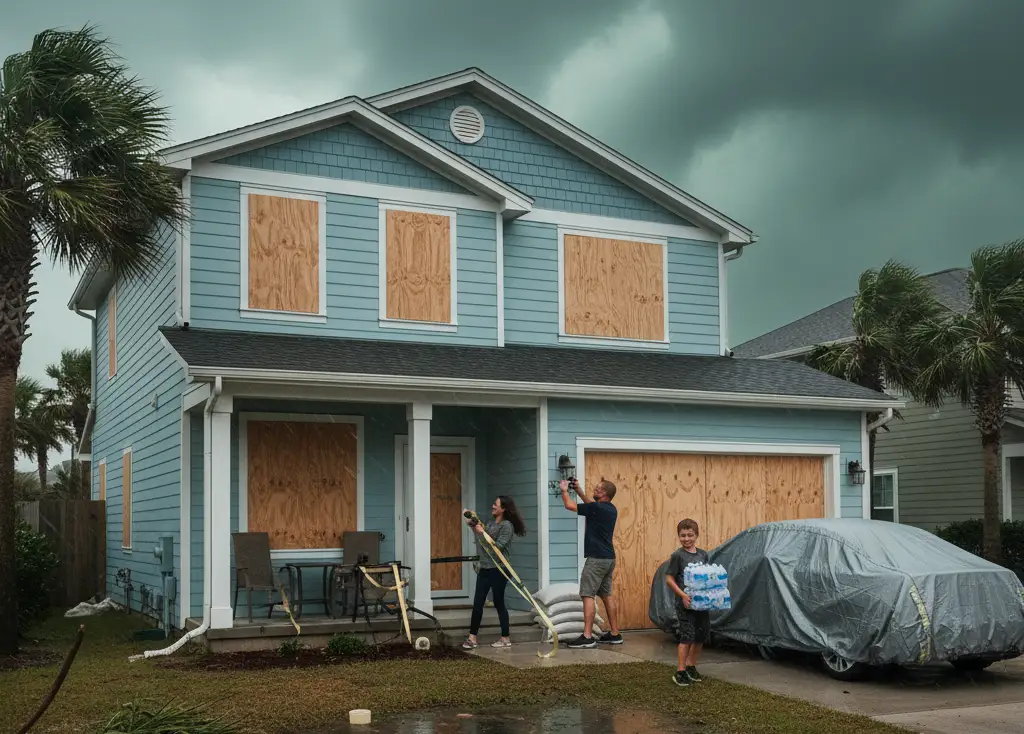
Preparation should begin well before June 1st each year. Florida residents should use the relatively calm months of April and May to review and update their hurricane plans, gather supplies, and ensure their property is storm-ready.
Essential Preparation Steps
First, create or review your family emergency plan. Identify evacuation routes from your area and designate meeting locations if family members become separated. Know your evacuation zone by checking with your county emergency management office—coastal areas typically fall into zones A or B, which are most vulnerable to storm surge.
Second, assemble a disaster supply kit with at least seven days of essential items. This should include non-perishable food, one gallon of water per person per day, medications, important documents in waterproof containers, flashlights, batteries, a first aid kit, and battery-powered or hand-crank weather radio. Don’t forget supplies for pets, including food, water, medications, and veterinary records.
Third, protect your property before the season begins. Trim trees and shrubs to remove loose branches that could become projectiles in high winds. Install storm shutters or have plywood cut and labeled for all windows and doors. Consider impact-resistant windows and doors if you’re making long-term improvements. Secure or bring inside any outdoor furniture, decorations, or equipment that could blow away.
Insurance and Financial Preparation
Review your homeowners or renters insurance policy well before hurricane season. Standard policies typically do not cover flood damage, which is the most common cause of hurricane-related losses. Separate flood insurance through the National Flood Insurance Program generally requires a 30-day waiting period before coverage begins, so arrange this by early May at the latest.
Document your belongings with photos or video for insurance purposes. Create a home inventory listing valuable items, their approximate value, and purchase dates. Store these records, along with insurance policies and financial documents, in a secure, waterproof location or in cloud storage accessible from any location.
Monitoring Storms During Hurricane Season

Once hurricane season begins, staying informed becomes critical. The National Hurricane Center issues tropical weather outlooks, watches, and warnings that provide advance notice of potential threats. Understanding the difference between these alerts helps you respond appropriately.
A tropical storm watch means tropical storm conditions are possible within 48 hours. A tropical storm warning means these conditions are expected within 36 hours. A hurricane watch indicates hurricane conditions are possible within 48 hours, while a hurricane warning means hurricane conditions are expected within 36 hours. When a warning is issued for your area, you should complete all preparations immediately or evacuate if ordered.
Modern technology makes monitoring storms easier than ever. Download official apps from NOAA, the National Hurricane Center, and your local emergency management agency. Many weather services also provide real-time tracking and notifications. For staying updated on timing and scheduling during active weather situations, you can check Current Local Times Around the world to coordinate with family members in different locations or time zones.
What to Do When a Hurricane Approaches
When forecasts show a hurricane may impact your area within three to five days, move from general readiness to specific action. Fill your vehicle’s gas tank—stations often run out of fuel as storms approach. Withdraw sufficient cash since ATMs and card readers may not work after the storm. Charge all electronic devices and portable battery banks.
If you live in an evacuation zone and authorities issue an evacuation order, leave immediately. These orders are issued only when staying becomes life-threatening due to storm surge, wind, or flooding risks. Never wait until the last minute, as roads become congested and dangerous as the storm nears.
For those sheltering in place, identify the safest room in your home—typically an interior room on the lowest floor, away from windows. Bathrooms, closets, and hallways often provide the best protection. Bring your emergency supplies to this location. Once hurricane-force winds arrive, remain sheltered until officials declare it safe to emerge.
After the Storm Passes
The period immediately following a hurricane requires caution. Downed power lines may still be energized and pose electrocution risks. Floodwaters can hide hazards, contain contaminants, and may be deeper than they appear—just six inches of moving water can knock an adult off their feet. Avoid driving unless absolutely necessary, as roads may be blocked or damaged.
Document all damage with photographs before making temporary repairs. Contact your insurance company as soon as possible to begin the claims process. Be wary of contractor scams that surge after disasters—verify credentials and licensing before hiring anyone for repairs.
Hurricane Season Planning for Visitors and Tourists
If you’re planning to visit Florida during hurricane season, monitor weather forecasts closely in the weeks before your trip. Travel insurance that covers weather-related cancellations can provide financial protection. Airlines and hotels often waive change fees when hurricanes threaten, but you typically must act before the storm arrives.
Once in Florida during hurricane season, stay informed about tropical weather developments. Most hotels have emergency plans and will communicate with guests about safety procedures if a storm approaches. Don’t let hurricane season deter you from visiting Florida entirely—the vast majority of days during the season are completely storm-free, and the state has robust emergency management systems in place.
For comprehensive resources about timing, planning, and scheduling around important weather events and other topics, visit the Guide Resources section for helpful information.
Climate Considerations and Future Trends
Climate research indicates that while the total number of storms may not necessarily increase, the proportion of high-intensity hurricanes (Category 4 and 5) is likely to rise due to warming ocean temperatures. Storms may also intensify more rapidly, leaving less time for preparation and evacuation. These trends underscore the importance of preparation and planning throughout the entire hurricane season.
Sea level rise around Florida’s coast compounds storm surge risks, meaning that hurricanes of the same intensity may produce more severe flooding than they did in past decades. Coastal communities are investing in resilience measures, but individual preparation remains the most critical factor in staying safe during hurricane season.
Conclusion
Hurricane season in Florida runs officially from June 1 through November 30, with the highest risk period from mid-August through October. While you cannot control when hurricanes form or where they strike, you can control your level of preparation. Start planning early, gather supplies during the calm months, stay informed during the active season, and respond promptly when threats develop. Understanding the timeline and characteristics of hurricane season empowers Florida residents and visitors to protect themselves, their families, and their property from these powerful natural phenomena. With proper preparation and awareness, you can safely navigate hurricane season in Florida every year.