
After years of helping visitors and residents navigate Jewish observance schedules in New York City, I’ve learned that knowing precise Shabbat times isn’t just about religious compliance—it’s about planning your entire weekend. Whether you’re a practicing Jew, a visitor attending services, or someone doing business in Jewish neighborhoods, understanding when the Sabbath begins and ends affects everything from restaurant reservations to meeting schedules across the five boroughs.
New York City’s Shabbat times change throughout the year based on sunset calculations, and with one of the world’s largest Jewish populations—over 1.5 million—these times matter to a significant portion of the metropolitan area. I’ve witnessed firsthand how businesses in Borough Park, Williamsburg, and the Upper West Side adjust their operations around these schedules, creating a weekly rhythm that defines neighborhood life.
Understanding Shabbat Timing in New York City
Shabbat begins 18 minutes before sunset on Friday evening and concludes approximately 42-72 minutes after sunset on Saturday, depending on which tradition you follow. When working with communities across NYC, I’ve found that most follow either the standard 42-minute calculation or the stricter 72-minute approach used by many Hasidic groups.
The variable that makes this complex is New York’s latitude at 40.7128°N. During summer months, Shabbat can begin as late as 8:15 PM, while in December, it starts around 4:15 PM—a four-hour difference that dramatically impacts planning. I’ve seen this catch out-of-town visitors completely off guard when they arrive in winter expecting summer schedules.
The precise calculation depends on several factors: the Hebrew calendar date, astronomical sunset time for NYC’s coordinates, and the specific tradition your community follows. Most synagogues post their times weekly, but having access to accurate annual schedules through resources like current local times around the world helps with long-term planning.
Monthly Shabbat Schedule for NYC 2025
Having tracked these patterns over multiple years, I can tell you that certain months present unique scheduling challenges. Here’s what you need to know about Shabbat timing throughout 2025:
Winter Months: Early Candle Lighting
January through March present the earliest Shabbat times. In early January, candle lighting occurs around 4:20 PM, with Havdalah at 5:20 PM—giving you barely 24 hours of Sabbath observance. This compressed timeframe means you’ll need to prepare early Friday afternoon, something I always remind clients about when scheduling meetings.
By late March, as daylight saving time begins, you’ll see candle lighting shift to around 6:45 PM. This transition period catches many people off guard—I’ve learned to set a timer for Friday preparations because that extra hour disappears faster than you’d think.
Spring and Summer: Extended Sabbath Hours
April through August brings the longest Shabbat periods. Peak summer times in late June see candle lighting around 8:12 PM with Havdalah not until after 9:15 PM. This extended period actually provides more flexibility for Sabbath activities, but it also means waiting quite late for Saturday evening plans to begin.
I’ve observed that summer Shabbat affects NYC’s rhythm differently—restaurants in Jewish neighborhoods don’t reopen until past 9:30 PM on Saturday nights, and you’ll find limited business activity well into the evening in areas like Midwood and Kew Gardens Hills.
Fall Transition: Rapid Changes
September through November brings the most rapid changes in Shabbat times. You’ll lose approximately 3-4 minutes of daylight each week, which means your Friday afternoon routine needs constant adjustment. After testing various approaches, I’ve found that checking times weekly rather than monthly prevents those moments when you suddenly realize Shabbat starts 30 minutes earlier than last week.
Neighborhood-Specific Considerations
New York’s size creates micro-considerations that matter more than you’d expect. While the time difference across the five boroughs is negligible astronomically, community practices vary significantly.
Manhattan’s Upper West Side
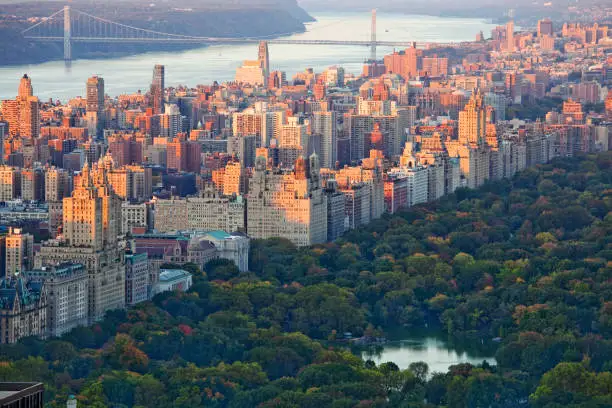
The concentration of Modern Orthodox synagogues here means most follow the standard 18-minutes-before-sunset for candle lighting and 42 minutes after for Havdalah. I’ve attended services at multiple shuls in this area, and they’re remarkably consistent with timing, making it easier to plan if you’re visiting different congregations.
Brooklyn’s Hasidic Communities
Borough Park, Williamsburg, and Crown Heights often observe stricter times—sometimes starting Shabbat 20-25 minutes before sunset and ending 72 minutes after. When scheduling anything in these neighborhoods, I always build in extra buffer time. The streets literally empty out before official sunset, and businesses close earlier than you’d calculate based on standard times.
Queens and Staten Island
Communities in Kew Gardens Hills, Forest Hills, and Staten Island’s South Shore generally follow mainstream Modern Orthodox timing. However, I’ve noticed that family-oriented neighborhoods tend to start preparations even earlier, with many lighting candles 20-30 minutes before the official time to ensure they’re ready before the rush.
Holiday Shabbat Times and Special Cases
Jewish holidays that fall on or adjacent to Shabbat create unique timing situations that require extra attention:
Rosh Hashanah 2025
Rosh Hashanah begins at sundown on Monday, September 22, 2025, and continues through Wednesday, September 24. Since this is a two-day holiday, you’ll have extended observance periods. Candle lighting Monday evening will be around 6:38 PM, and the holiday concludes Wednesday after 7:35 PM. The following Shabbat on September 26-27 follows immediately after, creating what’s essentially a three-day observance period when you factor in preparation time.
Yom Kippur 2025
Yom Kippur, the Day of Atonement, begins at sundown Wednesday, October 1, 2025, with Kol Nidre services starting around 6:15 PM. The fast concludes Thursday evening after 7:12 PM. When this holiest day of the Jewish year falls mid-week as it does in 2025, it actually provides some scheduling relief compared to years when it immediately precedes or follows Shabbat.
Sukkot 2025
Sukkot begins at sundown Wednesday, October 8, 2025, and continues through Wednesday, October 15, with Shemini Atzeret on October 16-17. Multiple Shabbats occur during this festival period—October 10-11 and October 17-18—each requiring coordination with the holiday observances. I’ve found this to be one of the most complex scheduling periods of the Jewish year.
Hanukkah 2025
Hanukkah runs from sundown Sunday, December 14, through Monday, December 22, 2025. When Hanukkah intersects with Shabbat—as it does December 19-20—you’ll need to light Shanukkah candles before Shabbat candles on Friday (around 4:11 PM) and after Havdalah on Saturday (after 5:12 PM). This reversal catches even experienced observers off guard sometimes.
Passover 2026 (Early Spring Impact)
While Passover 2026 technically falls outside our 2025 focus, starting Saturday night, April 11, 2026, it’s worth noting for annual planning. The first and last days have Shabbat-like restrictions, and the intermediate days (Chol HaMoed) still affect business operations in Jewish neighborhoods.
Practical Planning Tools and Resources
After managing schedules across different Jewish communities, I’ve developed a systematic approach to tracking Shabbat times that prevents last-minute scrambling.
Digital Tracking Methods
I maintain multiple reference points for Shabbat times because relying on a single source has occasionally led to confusion when different communities use different calculation methods. Cross-referencing times ensures accuracy, particularly around daylight saving transitions when automated systems sometimes display incorrect information for a few days.
Setting recurring reminders on your phone for Thursday evening and Friday afternoon helps immensely. I program mine to alert me 24 hours before candle lighting and again at 2 hours before, which provides adequate preparation time even during hectic work weeks. The time management guides on CheckDateTime have additional strategies for building these routines.
Paper Calendars and Community Resources
Despite digital convenience, I still recommend having a printed annual Shabbat calendar, particularly if you observe regularly. Many synagogues distribute these, and they’re invaluable when you’re cooking or preparing and don’t want to check your phone with messy hands. I keep mine posted in the kitchen where it’s visible during Friday afternoon preparations.
Business and Professional Implications
Understanding Shabbat times extends beyond religious observance—it’s essential business knowledge in New York City. When working with Jewish-owned businesses or Orthodox professionals, scheduling around Shabbat demonstrates cultural competence and respect.
Meeting and Event Scheduling
I’ve learned to avoid scheduling Friday afternoon meetings after 2 PM during winter months and after 4 PM in summer. Even non-observant Jewish professionals often need to accommodate family members or attend events that require earlier departures. Thursday afternoons and Monday mornings typically work better for important discussions that might run long.
Wedding and event planning in NYC must account for Shabbat timing. Jewish weddings cannot occur on Shabbat itself, so Saturday evening events typically don’t begin until well after Havdalah—expect invitations for 9 PM or later in summer months. I’ve seen beautiful transitions where guests arrive just as Shabbat ends and watch the final stars appear before ceremonies begin.
Retail and Restaurant Operations
Kosher restaurants and Jewish-owned businesses in areas like the Diamond District, the Lower East Side, and Brooklyn’s Jewish neighborhoods close Friday afternoon and remain closed until Saturday evening. If you’re planning to shop or dine in these areas, checking Shabbat times prevents wasted trips. I’ve made this mistake myself when visiting from out of town—arriving at a restaurant at 7 PM on Friday in February only to find it had closed at 4 PM.
Technology and Shabbat Observance
The intersection of technology and Sabbath observance creates interesting challenges in modern New York. While traditional observance prohibits using electronics from candle lighting through Havdalah, modern life requires some accommodation and planning.
Pre-Shabbat Technology Setup
Shabbat timers and smart home devices allow observant Jews to maintain comfort while respecting restrictions. I’ve helped several families configure lighting, heating, and cooking appliances to operate automatically during Shabbat. These systems need programming based on accurate Shabbat times, and they require weekly adjustment as times change—another reason why reliable time tracking matters.
Elevators in many NYC buildings switch to “Shabbat mode” on Friday evenings, stopping automatically at every floor so residents don’t need to press buttons. Building management typically programs these based on standard Shabbat times, but I’ve noticed that timing doesn’t always align perfectly with stricter community practices, leading some residents to take stairs instead.
Emergency Considerations
Jewish law permits—indeed requires—violating Shabbat for life-threatening situations. Medical professionals, emergency responders, and others in critical roles maintain full availability. This exception highlights why understanding Shabbat timing helps non-Jewish colleagues too: knowing when restrictions apply and when they’re overridden prevents potentially dangerous hesitation in emergency situations.
Seasonal Preparation Strategies
Different seasons require different Shabbat preparation approaches. After observing multiple annual cycles, I’ve developed season-specific strategies that reduce stress and ensure readiness.
Winter Preparation: Early Timing
With December and January candle lighting around 4:15 PM, Friday afternoon becomes incredibly compressed. I’ve found that Thursday evening preparation—setting the table, preparing cold foods, starting slow-cooking dishes—makes Friday manageable. Otherwise, you’re rushing home from work with barely two hours before sunset.
Winter also means coordinating with children’s school schedules. Many Jewish schools dismiss early on Fridays, but secular schools don’t, creating pickup challenges. I’ve observed families in this situation develop creative solutions: carpool arrangements, staying with friends, or one parent leaving work early on rotation.
Summer Flexibility: Late Timing
Summer’s 8 PM candle lighting provides luxurious preparation time but creates different challenges. Hot weather cooking becomes uncomfortable, and the late start means children often struggle staying awake for Friday night dinner. Many families I know shift their Friday routine entirely—eating a light early dinner and having the main Shabbat meal Saturday afternoon instead.
The late Saturday evening Havdalah also affects social plans. In June and July, Shabbat doesn’t end until after 9:15 PM, which means any Saturday evening activities start quite late. I’ve noticed that summer social events in Jewish communities often begin at 10 PM or later—something that surprises people from areas where Shabbat ends earlier.
Frequently Asked Questions
What time does Shabbat start in NYC this week?
Shabbat times in New York City change weekly throughout the year. In winter months (December-January), candle lighting occurs around 4:15-4:30 PM on Friday evening. During summer months (June-July), candle lighting happens as late as 8:10-8:15 PM. The exact time depends on the weekly calculation of sunset for NYC’s latitude. Most Jewish communities in New York light candles 18 minutes before sunset, though some stricter communities use 20-25 minutes before sunset. For the current week’s precise times, you’ll need to check a Jewish calendar or reliable time service, as the time shifts by 2-4 minutes each week depending on season.
How long does Shabbat last in New York City?
Shabbat in New York City lasts approximately 25 hours, from Friday evening candle lighting until Saturday evening Havdalah. However, the actual duration varies by season. In winter, when sunset occurs around 4:30 PM Friday and 4:30 PM Saturday, you get closer to a true 24-hour period. In summer, with sunset at 8:15 PM both days, the observance stretches longer in real time but still encompasses the same sunset-to-sunset cycle. Most communities conclude Shabbat 42 minutes after sunset on Saturday, though stricter Orthodox groups wait 50 or 72 minutes after sunset. This means winter Shabbat might end around 5:15 PM while summer Shabbat concludes after 9:15 PM.
Do Shabbat times differ across NYC’s five boroughs?
Astronomically, Shabbat times are essentially identical across all five boroughs of New York City. The city spans only about 20 miles, which creates less than a minute of difference in sunset time between Staten Island and the Bronx. However, different Jewish communities within the same borough may observe different customs regarding when to start and end Shabbat. Modern Orthodox communities typically use 18 minutes before sunset for candle lighting and 42 minutes after for Havdalah. Hasidic communities in Brooklyn often start 20-25 minutes before sunset and end 72 minutes after. These variations reflect religious tradition rather than geographic location.
What happens if I’m traveling to NYC for Shabbat?
When traveling to New York City for Shabbat, you should adopt NYC’s local times for observance, not your home location’s times. This is a fundamental principle in Jewish law—you observe based on your physical location. If you’re flying in Friday afternoon, calculate carefully to ensure you’ll arrive with adequate time before candle lighting, especially in winter when Shabbat begins early. I recommend arriving at least 2-3 hours before candle lighting to account for potential delays and give yourself setup time. If you’re staying in a hotel, research Shabbat-friendly accommodations that offer key cards that work without electricity use, Shabbat elevator mode, and rooms where you can light candles safely. Many hotels near major Jewish communities understand these needs and prepare accordingly.
How do daylight saving time changes affect Shabbat times?
Daylight saving time creates one of the most dramatic shifts in Shabbat timing during the year. When clocks “spring forward” in mid-March, candle lighting suddenly jumps from around 5:45 PM to 6:45 PM—a full hour later that many people forget to account for in their Friday planning. Conversely, when clocks “fall back” in early November, candle lighting drops from around 5:45 PM to 4:45 PM, catching people off guard with earlier preparation needs. I’ve learned to mark these transitions in my calendar with extra reminders because the time change combined with the weekly sunset shift means Shabbat times move significantly during these weeks. The Sunday morning time change affects Friday evening observance the same week, and many people don’t mentally connect these events.
Can I rely on smartphone apps for Shabbat times?
Smartphone apps can provide accurate Shabbat times for New York City, but you need to verify several settings for reliability. Ensure the app has your precise location set to NYC (not a default city), that it’s using your community’s customs for start and end time calculations, and that it automatically accounts for daylight saving time. I’ve encountered situations where apps displayed incorrect times for several days after the daylight saving transition, so cross-referencing with synagogue announcements or printed calendars provides additional safety. Many apps allow you to set your custom calculation method—18 minutes before sunset vs. 20 minutes, 42 minutes after sunset vs. 72 minutes—so configure these settings according to your observance. Never rely solely on technology without backup references, especially during weeks with holidays or time changes.
Why do some NYC communities start Shabbat at different times?
Different NYC communities start Shabbat at different times based on varying interpretations of when to begin observance relative to sunset. The practice of lighting candles 18 minutes before sunset is standard in Modern Orthodox communities and is based on the time it takes to walk three-quarters of a mil (an ancient measurement) before sunset. More stringent Hasidic communities often add extra time—20, 25, or even 40 minutes before sunset—as an additional safeguard to ensure they begin before any possibility of sunset. This isn’t about different sunset times but about how much cushion different traditions build in. Similarly, ending times vary based on when stars become visible—some use 42 minutes after sunset (based on calculations for three medium-sized stars), while others wait for 72 minutes (based on the time to walk four mil). Neither approach is “wrong”—they represent different traditions within Jewish law.
What should non-Jewish NYC residents know about Shabbat times?
Non-Jewish New Yorkers benefit from understanding Shabbat times because they affect business operations, traffic patterns, and neighborhood rhythms in many parts of the city. On Friday afternoons, particularly in winter, expect heavy traffic in Jewish neighborhoods as residents rush home before sunset. Many businesses in areas like the Diamond District, Borough Park, and Williamsburg close early—sometimes by 2-3 PM in winter. Saturday mornings see different traffic patterns as families walk to synagogue rather than drive. Saturday evenings after Shabbat ends bring a surge of activity—restaurants and stores reopen, traffic increases, and you’ll see a noticeable energy shift in these communities. If you work with Jewish colleagues, understanding that Friday afternoon and Saturday availability may be limited shows cultural awareness and helps with scheduling. The rhythm of Shabbat shapes weekly patterns across substantial portions of New York City, making basic awareness practical for everyone.