
The trends in fitness smartwatch technology continue to evolve rapidly in 2025, transforming how we track time, schedule workouts, and manage our daily health routines. Modern fitness smartwatches have become sophisticated time management tools that go far beyond basic step counting, integrating advanced scheduling features and precise timing capabilities that help users optimize their fitness journeys.
1. Advanced Sleep Timing Analytics
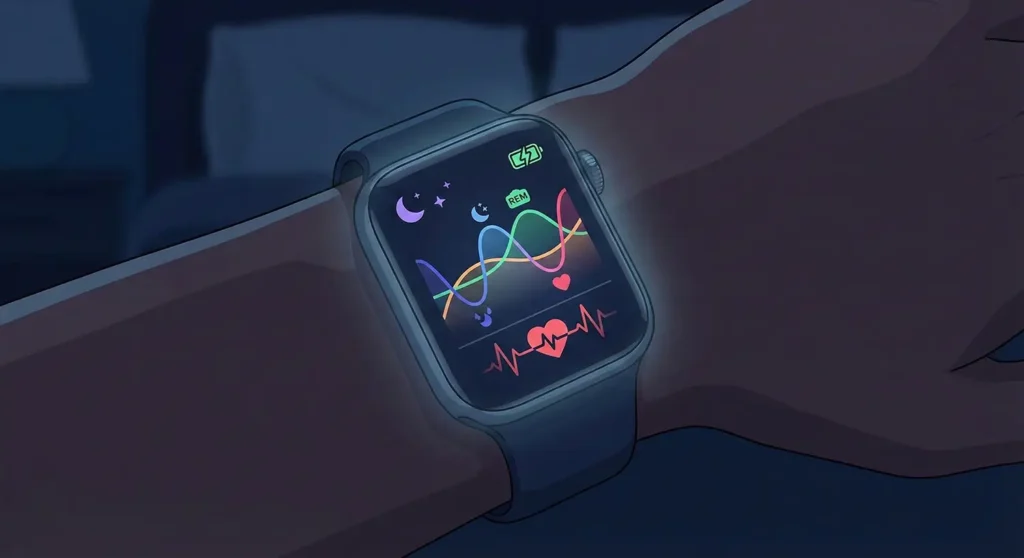
Sleep tracking has reached new heights in 2025, with fitness smartwatches now offering detailed sleep cycle timing analysis. These devices can precisely track REM, deep sleep, and light sleep phases down to the minute, providing users with comprehensive timing data that helps optimize sleep schedules. The latest models use advanced sensors to monitor sleep quality throughout different time zones, making them invaluable for travelers who need to adjust their sleep patterns.
Many devices now feature smart alarm systems that wake users during optimal sleep phases, ensuring they feel refreshed regardless of their current local time around the world. This technology considers individual circadian rhythms and can adapt to different time zones automatically.
2. Precision Workout Interval Timing
High-intensity interval training (HIIT) has driven demand for ultra-precise timing features in fitness smartwatches. Current models offer interval timing accurate to fractions of a second, allowing athletes to maintain exact work-to-rest ratios. These advanced timing systems can be programmed for complex workout schedules, including warm-up periods, multiple interval sets, and cool-down phases.
The integration with timer tools functionality has become seamless, with many smartwatches offering customizable timer presets for different exercise types. Users can create detailed workout schedules that automatically transition between different timing phases.
3. Multi-Sport Activity Scheduling
Modern fitness smartwatches excel at managing complex training schedules across multiple sports. They can automatically detect when users switch between activities and adjust timing parameters accordingly. This trend reflects the growing popularity of cross-training and triathlon preparation, where precise timing across different activities is crucial.
These devices now feature intelligent scheduling systems that can recommend optimal training times based on recovery data, sleep patterns, and historical performance metrics. The scheduling capabilities extend to suggesting rest days and active recovery sessions at appropriate intervals.
4. Real-Time Health Metric Monitoring
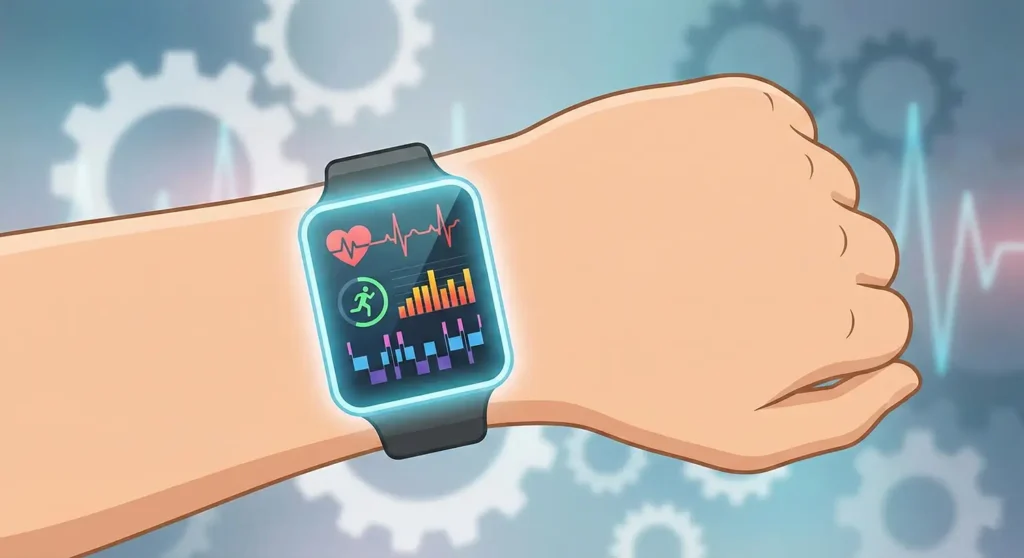
Continuous health monitoring has become more sophisticated, with smartwatches now tracking heart rate variability, blood oxygen levels, and stress indicators in real-time. These measurements are timestamp-accurate, allowing users to correlate health metrics with specific times of day, activities, or environmental factors.
The trend toward continuous glucose monitoring integration represents a significant advancement, providing diabetic athletes with precise timing data about blood sugar fluctuations during exercise. This information helps optimize pre-workout nutrition timing and post-exercise recovery periods.
5. Enhanced GPS and Location-Based Timing
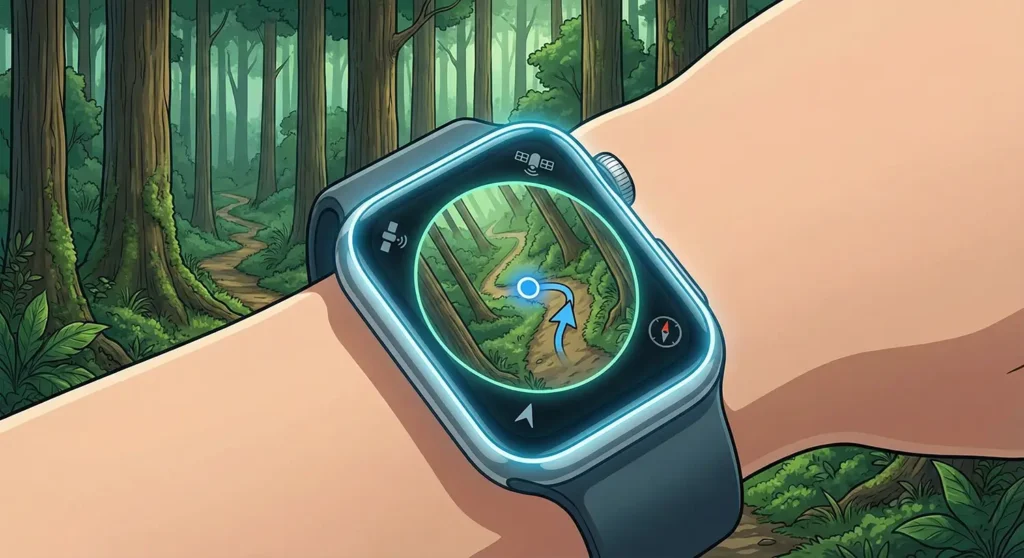
GPS accuracy has improved dramatically, with modern fitness smartwatches offering precise location tracking that enables accurate pace and distance calculations. The timing data collected during outdoor activities is now precise enough for competitive training, with some devices offering split-timing capabilities for track workouts and race preparation.
Location-based features now include automatic time zone adjustments for traveling athletes, ensuring workout logs maintain accurate timestamps regardless of geographic location. This functionality integrates seamlessly with global timing systems.
6. Stress Management and Recovery Timing
Stress monitoring has evolved to include precise timing recommendations for recovery periods. Modern smartwatches can detect elevated stress levels and suggest specific timing for breathing exercises, meditation sessions, or rest periods. These recommendations are based on individual stress patterns and recovery rates.
Recovery timing algorithms now consider multiple factors including sleep quality, workout intensity, and stress levels to recommend optimal timing for subsequent training sessions. This personalized approach helps prevent overtraining and reduces injury risk.
7. Advanced Water Resistance and Swimming Metrics
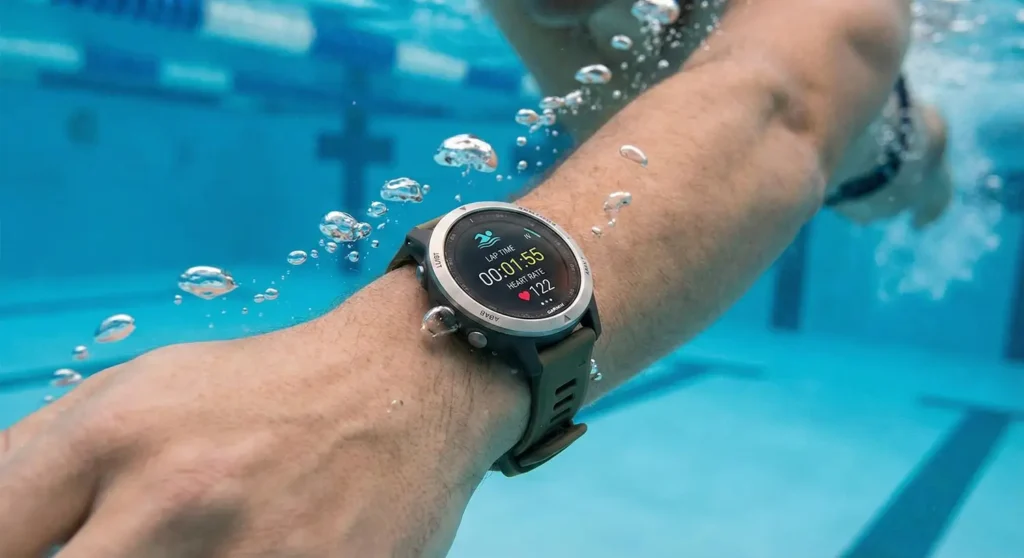
Swimming tracking has become remarkably sophisticated, with devices accurately timing lap splits, stroke counts, and swimming efficiency metrics. Water resistance ratings have improved across the board, with many fitness smartwatches now suitable for professional swimming training and water sports.
Pool swimming features include automatic lap detection and precise timing for interval training. Open water swimming capabilities now include safety features like emergency timing alerts if the device detects unusual swimming patterns or extended stationary periods.
8. Smart Coaching and Timing Guidance
Artificial intelligence integration has revolutionized fitness coaching through smartwatches. These devices now provide real-time coaching cues based on timing analysis, suggesting pace adjustments, form corrections, and optimal timing for different workout phases. The coaching algorithms consider individual fitness levels, goals, and historical performance data.
Smart coaching extends to nutrition timing, with some devices offering meal timing recommendations based on workout schedules and metabolic data. This holistic approach to timing optimization helps users maximize their fitness results.
9. Extended Battery Life for Multi-Day Tracking
Battery technology improvements have enabled continuous multi-day tracking without charging interruptions. This advancement is crucial for athletes engaging in ultra-endurance events or multi-day training camps where consistent timing data collection is essential.
Power management features now include selective sensor activation, allowing users to prioritize timing accuracy for specific activities while conserving battery for extended use. Some models offer solar charging capabilities for outdoor enthusiasts who need reliable timing data during extended wilderness activities.
10. Integration with Smart Home and Scheduling Systems
The latest trend involves seamless integration between fitness smartwatches and smart home ecosystems. These devices can now automatically adjust home environments based on workout schedules, pre-heating saunas, adjusting lighting for morning workouts, or setting optimal room temperatures for post-exercise recovery.
Calendar integration has become more sophisticated, with smartwatches automatically blocking workout times, scheduling recovery periods, and sending reminders for hydration or nutrition timing. This integration with comprehensive scheduling guides helps users maintain consistent fitness routines.
Technology Behind Modern Fitness Smartwatch Timing
The precision timing capabilities of modern fitness smartwatches rely on advanced sensor fusion technology. Multiple sensors work together to provide accurate timing data, including accelerometers, gyroscopes, heart rate monitors, and GPS receivers. This sensor integration ensures timing accuracy across different activities and environmental conditions.
Machine learning algorithms continuously improve timing accuracy by learning individual movement patterns and exercise habits. These algorithms can detect and correct for timing inconsistencies, providing users with reliable data for training analysis and performance optimization.
Choosing the Right Fitness Smartwatch for Your Timing Needs
When selecting a fitness smartwatch in 2025, timing capabilities should be a primary consideration. Look for devices that offer customizable timer functions, accurate GPS tracking, and comprehensive activity timing analysis. Consider your specific sport or activity requirements, as some watches excel in particular areas like swimming timing or running pace analysis.
Battery life remains crucial for extended timing accuracy, especially for endurance athletes or those participating in multi-day events. Evaluate the charging requirements and power management features to ensure the device meets your timing needs without frequent charging interruptions.
| Feature | Basic Models | Advanced Models | Professional Models |
|---|---|---|---|
| Timing Accuracy | ±1 second | ±0.1 second | ±0.01 second |
| Battery Life | 1-3 days | 5-7 days | 10-14 days |
| GPS Precision | 3-5 meters | 1-2 meters | Sub-meter |
| Activity Types | 10-20 | 50-80 | 100+ |
Future Outlook for Fitness Smartwatch Timing Technology
The future of fitness smartwatch timing technology looks promising, with developments in quantum sensors and advanced AI promising even greater timing precision and personalized insights. Integration with emerging health monitoring technologies will provide more comprehensive timing data for optimizing both fitness performance and overall health outcomes.
As these devices become more sophisticated, the timing data they collect will become increasingly valuable for medical research, sports science, and personal health optimization. The trends observed in 2025 represent just the beginning of a new era in precision fitness timing and health monitoring.
Frequently Asked Questions
What are the most important timing features in fitness smartwatches for 2025?
The most important timing features include precision interval timing for HIIT workouts, advanced sleep cycle analysis, multi-sport activity scheduling, and real-time health metric monitoring with timestamp accuracy.
How accurate are modern fitness smartwatch timers?
Professional-grade fitness smartwatches in 2025 offer timing accuracy within ±0.01 seconds, while advanced consumer models typically achieve ±0.1 second accuracy, which is sufficient for most training applications.
Can fitness smartwatches help with workout scheduling?
Yes, modern fitness smartwatches offer intelligent scheduling systems that can recommend optimal training times based on recovery data, sleep patterns, and historical performance metrics, helping users maintain consistent fitness routines.
What battery life should I expect from a fitness smartwatch used for timing?
Battery life varies by model and usage. Basic models typically last 1-3 days, advanced models 5-7 days, and professional models can extend to 10-14 days with continuous timing features enabled.
How do fitness smartwatches handle time zone changes?
Modern fitness smartwatches automatically adjust for time zone changes using GPS location data, ensuring workout logs maintain accurate timestamps regardless of geographic location, which is especially useful for traveling athletes.