

Smartwatches have revolutionized how we interact with technology, transforming from simple timepieces to sophisticated wearable computers. As these devices continue to evolve, understanding the pros and cons of smartwatches becomes essential for anyone considering this investment. Whether you’re a fitness enthusiast, busy professional, or tech lover, this comprehensive guide will help you navigate the smartwatch landscape and determine if these devices align with your lifestyle needs.
What Are Smartwatches and Why Do They Matter?
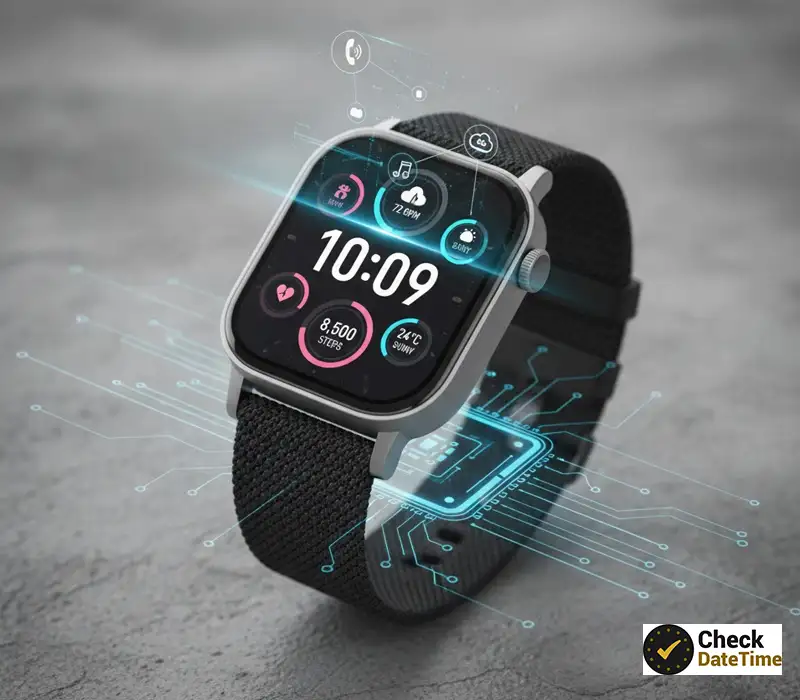
Smartwatches are wearable devices that combine traditional timekeeping with advanced computing capabilities. These miniature computers on your wrist can track health metrics, receive notifications, make payments, and even function independently with cellular connectivity. The global smartwatch market has experienced explosive growth, with millions of users worldwide embracing these versatile devices.
Modern smartwatches integrate seamlessly with smartphones, offering features that extend far beyond basic timekeeping. From monitoring your heart rate during workouts to providing turn-by-turn navigation, these devices have become indispensable tools for many users seeking to streamline their daily routines.
Major Advantages of Smartwatches
Health and Fitness Monitoring Excellence
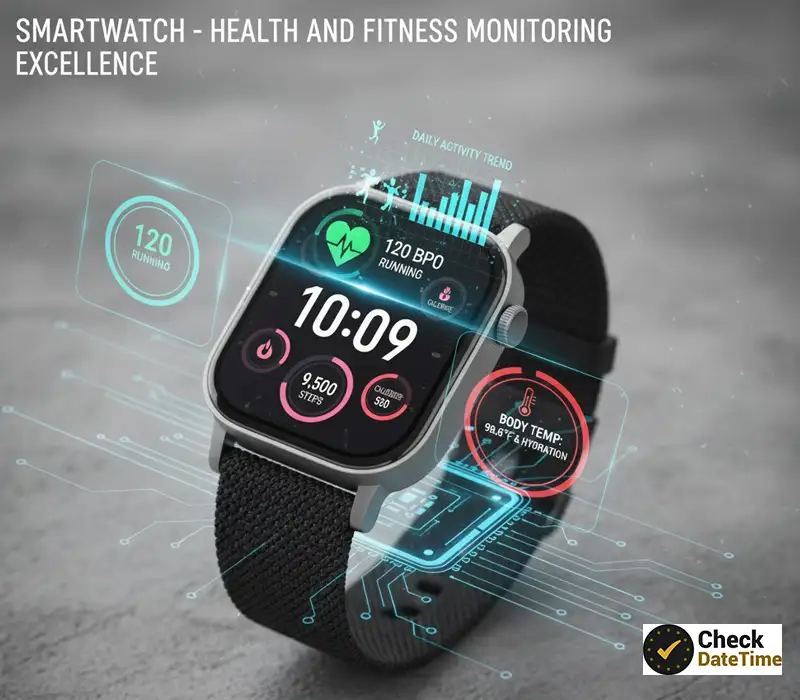
One of the most compelling advantages of smartwatches lies in their comprehensive health tracking capabilities. These devices continuously monitor vital signs, including heart rate, blood oxygen levels, and sleep patterns, providing users with unprecedented insights into their physical well-being.
Advanced smartwatches can detect irregular heart rhythms, track menstrual cycles, monitor stress levels, and even alert users to potential health emergencies. The built-in GPS functionality enables accurate tracking of outdoor activities like running, cycling, and hiking, while dedicated workout modes optimize data collection for specific exercises.
Many users find that smartwatch fitness tracking motivates them to maintain more active lifestyles. The gamification elements, such as achievement badges and daily activity goals, create positive reinforcement loops that encourage consistent physical activity.
Convenience and Connectivity Benefits
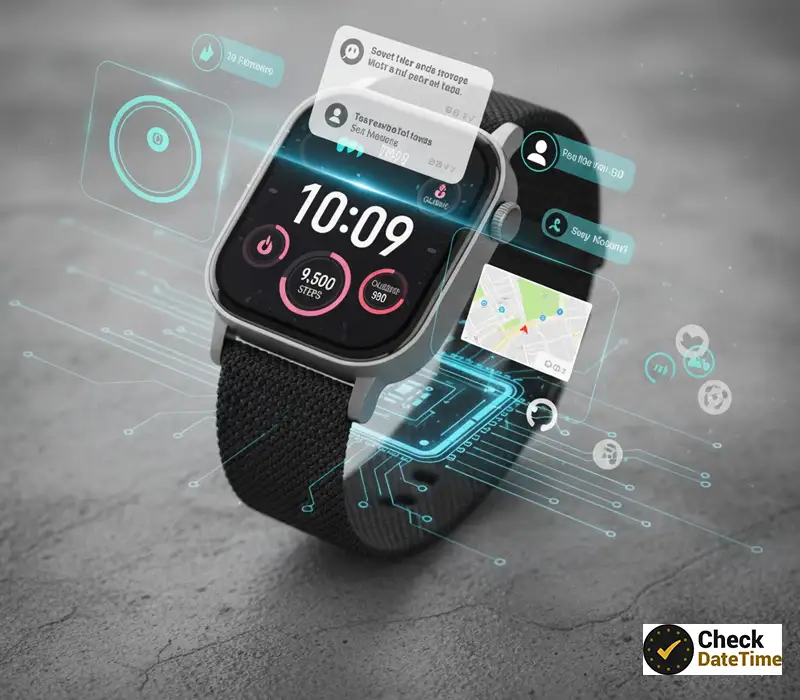
Smartwatches excel at delivering notifications directly to your wrist, eliminating the need to constantly check your smartphone. This feature proves particularly valuable during meetings, workouts, or situations where pulling out a phone would be inappropriate or inconvenient.
The ability to respond to messages, answer calls, and control smart home devices from your wrist creates a seamless technology experience. Many smartwatches support contactless payments, allowing users to make purchases with a simple wrist gesture, which has become increasingly valuable in our cashless society.
Voice assistants integrated into smartwatches enable hands-free operation, perfect for setting timers while cooking, creating reminders, or asking quick questions without reaching for your phone.
Enhanced Productivity and Time Management
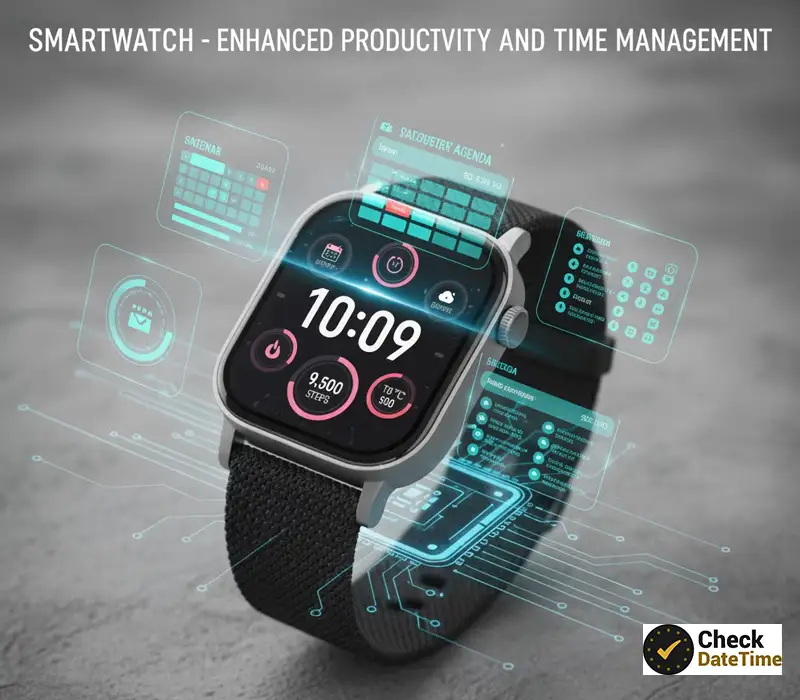
Smartwatches serve as powerful productivity tools, offering features like calendar notifications, weather updates, and quick access to essential apps. The ability to see your schedule at a glance helps optimize time management throughout the day.
Many professionals appreciate smartwatch features that support workplace efficiency, such as presentation control, note-taking capabilities, and meeting reminders. The discrete notification system allows users to stay informed without appearing distracted during important conversations or presentations.
Safety and Emergency Features
Modern smartwatches include sophisticated safety features that can prove life-saving in emergency situations. Fall detection technology automatically contacts emergency services if the device detects a severe fall and the user doesn’t respond within a specified timeframe.
Emergency SOS features enable users to quickly summon help by pressing designated buttons or using voice commands. Some smartwatches can share location data with trusted contacts, providing peace of mind for both users and their families.
Significant Disadvantages of Smartwatches
Battery Life Limitations
One of the most frequently cited drawbacks of smartwatches is their limited battery life. Unlike traditional watches that can operate for years on a single battery, smartwatches typically require daily or every-other-day charging, depending on usage patterns and specific models.
Heavy users who extensively utilize GPS tracking, cellular connectivity, and always-on displays may find themselves needing to charge their devices multiple times per day. This requirement can be particularly inconvenient during travel or extended outdoor activities where charging opportunities are limited.
The need for regular charging creates an additional routine that some users find burdensome, especially compared to the set-and-forget nature of traditional timepieces.
Cost Considerations and Ongoing Expenses
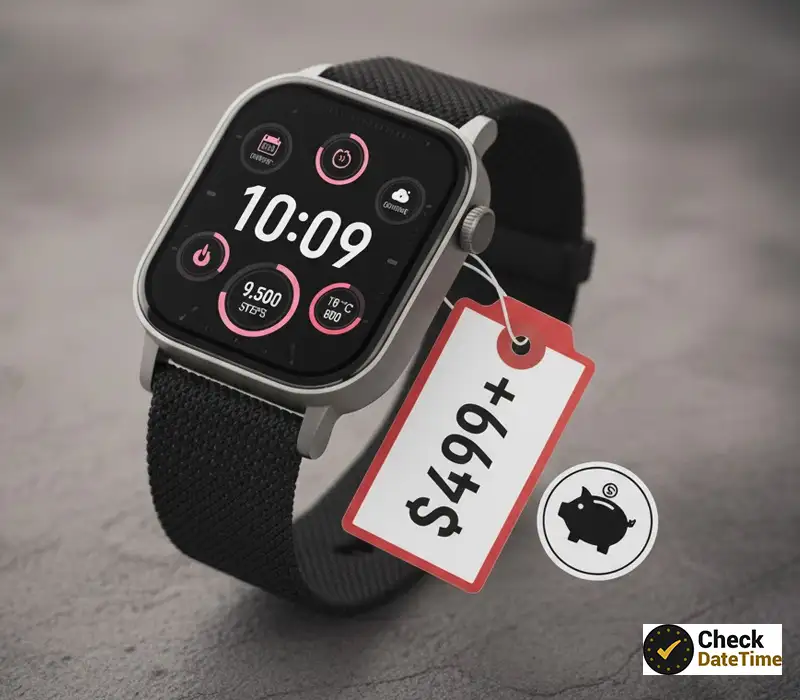
Quality smartwatches represent a significant financial investment, with premium models often costing several hundred dollars. Beyond the initial purchase price, users may face ongoing expenses for cellular plans, premium app subscriptions, and periodic hardware upgrades.
The rapid pace of technological advancement means smartwatches can become outdated relatively quickly, potentially requiring replacement every few years to access the latest features and security updates. Repair costs for damaged screens or water-damaged components can also be substantial.
Additional expenses may include specialized charging cables, protective cases, and replacement bands, which can accumulate over time and increase the total cost of ownership.
Privacy and Security Concerns
Smartwatches collect vast amounts of personal data, including health metrics, location information, communication patterns, and daily routines. This data collection raises legitimate privacy concerns, particularly regarding how companies store, share, and protect sensitive personal information.
Security vulnerabilities in smartwatch software could potentially expose users to data breaches or unauthorized access to personal information. The constant connectivity and data transmission required for many smartwatch features create multiple potential entry points for malicious actors.
Users must carefully consider privacy settings and understand what data their smartwatch collects and shares with third-party services, especially health and fitness platforms that may use this information for commercial purposes.
Size and Comfort Issues
The relatively bulky design of many smartwatches can be uncomfortable for users with smaller wrists or those unaccustomed to wearing substantial wrist-mounted devices. The weight and thickness of smartwatches may cause discomfort during extended wear, particularly during sleep tracking or intense physical activities.
Screen size limitations can make interacting with apps and reading notifications challenging, especially for users with vision difficulties or those who prefer larger text displays. The small interface can lead to frustration when trying to perform complex tasks or navigate detailed menus.
Some users find that smartwatch bands cause skin irritation, particularly during sweating or in humid conditions, requiring frequent cleaning or band replacement to maintain comfort.
Making the Right Choice for Your Lifestyle
When evaluating whether a smartwatch is right for you, consider your specific needs, budget constraints, and technology comfort level. Fitness enthusiasts who prioritize health tracking may find the benefits outweigh the drawbacks, while users primarily interested in basic timekeeping might prefer traditional watches.
Consider your daily routine and how smartwatch features would integrate into your lifestyle. If you frequently need to check current time zones for international business or travel, smartwatch world clock features could prove invaluable.
Evaluate whether you’re willing to adapt to the charging requirements and ongoing maintenance that smartwatches demand. Some users find that the convenience benefits justify these additional responsibilities, while others prefer the simplicity of traditional timepieces.
For detailed recommendations and guides on choosing the right smartwatch for your specific needs, consider factors such as operating system compatibility, battery life requirements, and essential feature priorities.
Frequently Asked Questions
Do smartwatches really improve fitness and health outcomes?
Research suggests that smartwatches can positively impact fitness behaviors by providing continuous activity monitoring, goal setting, and motivation through gamification features. However, the device itself doesn’t automatically improve health – success depends on user engagement and commitment to acting on the data provided.
How long do smartwatches typically last before needing replacement?
Most smartwatches provide 3-5 years of reliable service before hardware limitations or software obsolescence necessitate replacement. Factors affecting lifespan include usage patterns, software support duration, and physical care of the device.
Are smartwatches worth the investment for casual users?
For casual users who primarily want notifications and basic fitness tracking, smartwatches can provide value, but the investment may not be justified if you don’t utilize advanced features. Consider starting with a more affordable model to assess your usage patterns before investing in premium devices.
Can smartwatches completely replace smartphones for daily tasks?
While smartwatches with cellular connectivity can handle many smartphone functions, they cannot completely replace phones due to screen size limitations, app availability, and battery constraints. They work best as complementary devices that enhance smartphone functionality.
What security measures should smartwatch users implement?
Enable screen locks, regularly update software, review app permissions, use strong authentication methods, and be selective about third-party apps. Regularly review privacy settings and understand what data your smartwatch collects and shares.
How accurate are smartwatch health monitoring features?
Modern smartwatches provide reasonably accurate health monitoring for general fitness purposes, but they shouldn’t replace professional medical devices or consultations. Heart rate monitoring is generally reliable, while features like blood oxygen measurement may have higher margins of error and should be used for trend monitoring rather than medical diagnosis.