
How many numbers are on a clock? This seemingly simple question reveals fascinating details about timepiece design and functionality. Most traditional analog clocks display 12 numbers representing the hours, but the complete answer depends on the specific clock type, design philosophy, and intended use.
Understanding clock numbering systems helps us appreciate the intricate engineering behind these essential timekeeping devices we encounter daily. From ornate grandfather clocks to minimalist wrist watches, each timepiece tells a unique story through its numerical display choices.
Standard Analog Clock Numbers
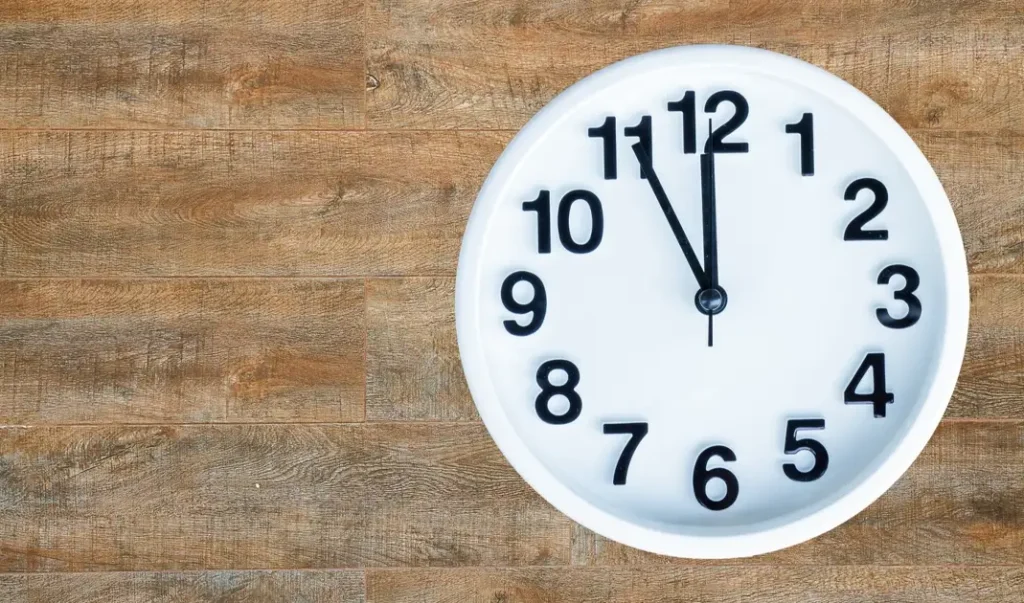
Traditional analog clocks feature 12 numbers positioned around the circular face, corresponding to the 12-hour time format used in most countries. These numbers typically range from 1 to 12, starting at the top position (12 o’clock) and proceeding clockwise around the dial.
The 12-number system originated from ancient civilizations that divided daylight into 12 equal parts. This historical foundation explains why most analog clocks maintain this conventional numbering pattern, creating the familiar interface we instinctively understand.
Hour Markers vs. Full Numbers
Not all analog clocks display complete numbers. Many sophisticated timepieces use alternative marking systems:
Designer clocks often replace numbers with geometric shapes, lines, or dots at hour positions. These minimalist approaches prioritize aesthetic appeal while maintaining functional timekeeping capabilities. Some luxury watches feature Roman numerals instead of Arabic numbers, adding classical elegance to the timepiece.
The choice between full numbers and simplified markers depends on the clock’s intended audience and design philosophy. Educational clocks for children typically display all 12 numbers prominently, while artistic wall clocks might omit numbers entirely for visual impact.
Wall Clock Number Variations
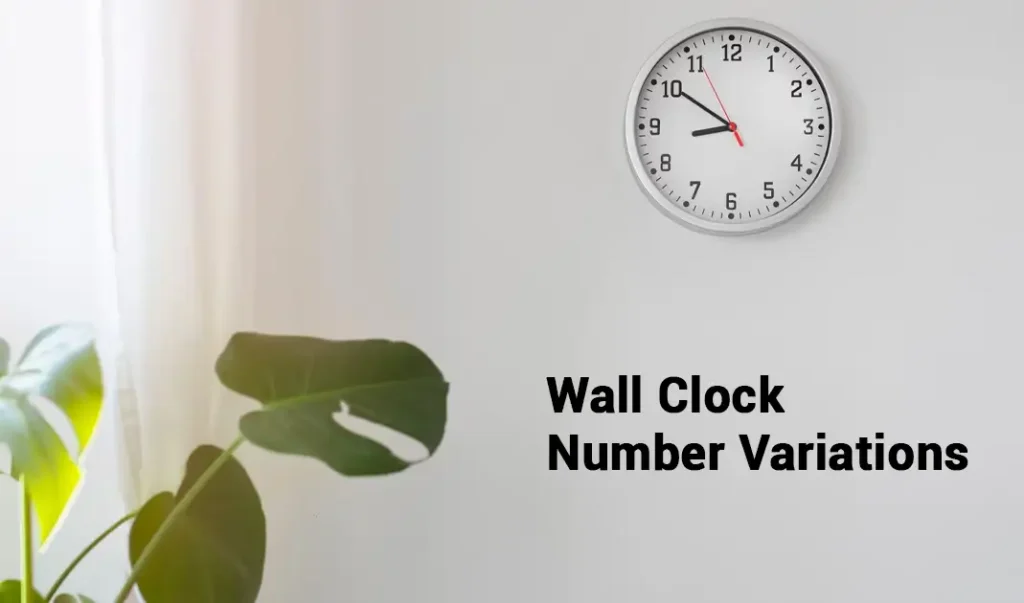
Wall clocks demonstrate remarkable diversity in their numerical displays. Traditional home clocks usually show all 12 hour numbers clearly, making time reading effortless for family members of all ages.
Kitchen clocks often emphasize functionality over form, featuring bold, easily readable numbers that remain visible from cooking distances. These practical timepieces prioritize clarity, especially important when timing culinary preparations using tools like those found on timer applications.
Decorative Wall Clock Designs
Artistic wall clocks challenge conventional numbering expectations. Some contemporary designs feature only the 12, 3, 6, and 9 positions marked, assuming viewers can interpolate intermediate hours. Others display all numbers but use varying sizes, fonts, or colors to create visual hierarchy.
Antique wall clocks sometimes include additional numerical elements beyond basic hour markers. These might feature date displays, multiple time zones, or astronomical information, significantly increasing the total number count on the clock face.
Wrist Watch Number Systems
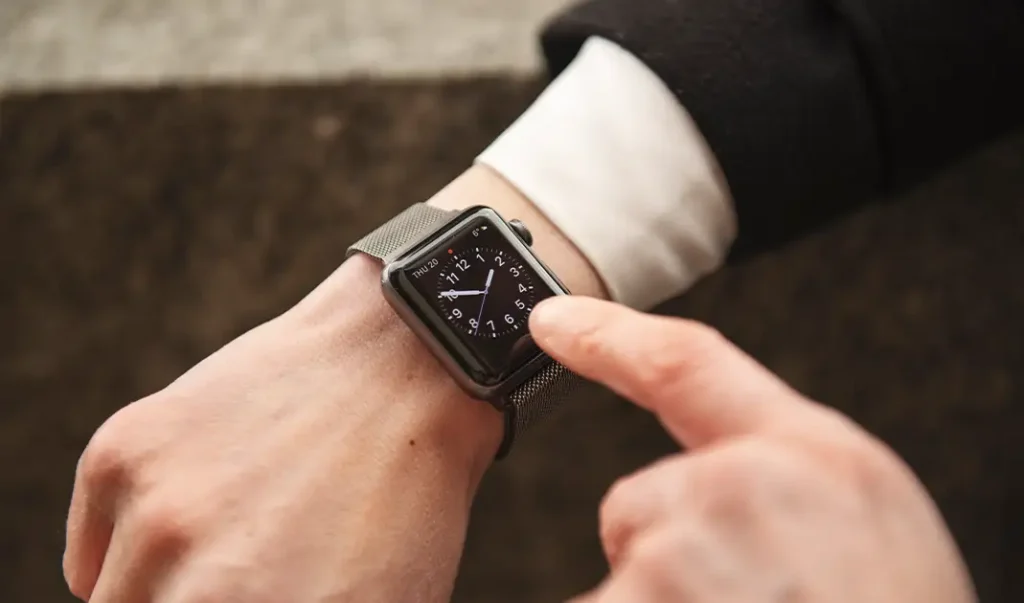
Wrist watches present unique challenges for number display due to their compact size. Most analog watches show all 12 hour numbers, but space constraints influence their presentation style.
Luxury watches often incorporate additional numerical elements for enhanced functionality. Chronograph watches display subsidiary dials with their own numbering systems for measuring elapsed time intervals. These complications can add 20-30 additional numbers to the watch face.
Sports and Diving Watches
Specialized wrist watches serve specific purposes that influence their numbering choices. Diving watches feature rotating bezels with 60-minute markings, adding substantial numerical information beyond basic hour displays.
Aviation watches might include multiple time zone displays or 24-hour markings, effectively doubling the numerical content compared to standard timepieces. These professional instruments prioritize information density over simplistic design.
Digital Clock Displays

Digital clocks fundamentally differ from analog timepieces in their numerical presentation. Instead of fixed position numbers around a circle, digital displays show only the current time numbers, typically ranging from 4 to 8 digits depending on the display format.
A basic digital clock showing hours and minutes displays 4 numbers (like 10:45), while more comprehensive displays including seconds show 6 numbers (10:45:30). Advanced digital clocks incorporating date information can display 8 or more numbers simultaneously.
Modern digital timepieces often provide multiple display options, allowing users to choose between 12-hour and 24-hour formats. This flexibility affects the total numerical range displayed, with 24-hour formats potentially showing higher hour values.
Smart Device Time Displays
Contemporary digital devices expand traditional clock numbering concepts. Smartphone lock screens typically display time along with date information, calendar notifications, and other numerical data points.
These integrated displays blur the boundaries between pure timekeeping and comprehensive information systems. Users accessing current local times around the world through digital devices encounter multiple simultaneous time zone displays, multiplying the numerical content exponentially.
Specialty Clock Numbering
Specialized clocks serve unique purposes that influence their numbering systems. Educational institutions often use large wall clocks with prominent numbers and additional minute markings to teach time-reading skills effectively.
Medical facilities frequently employ 24-hour clocks to eliminate AM/PM confusion in critical timing situations. These clocks display numbers from 00 to 23, doubling the numerical range compared to standard 12-hour timepieces.
Industrial and Scientific Timekeeping
Industrial environments require precise timekeeping with enhanced numerical displays. Manufacturing clocks might include production shift indicators, break timers, and multiple time zone references for global operations coordination.
Scientific laboratories use precision timepieces with additional numerical elements for experimental timing. These instruments might display milliseconds, fractions, or specialized timing sequences beyond conventional hour-minute displays.
Cultural and Regional Variations
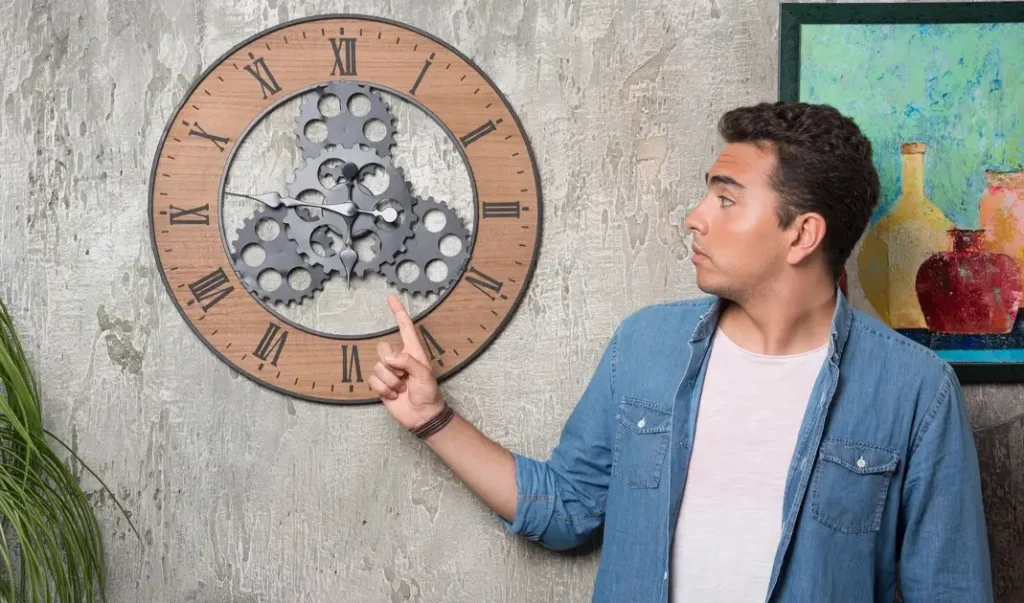
Different cultures approach clock numbering with varying preferences and traditions. Some regions favor Roman numerals for formal timepieces, while others prefer Arabic numerals for clarity and universal recognition.
Eastern cultures sometimes incorporate traditional numbering systems alongside Western formats, creating hybrid displays that honor cultural heritage while maintaining international compatibility. These multicultural approaches enrich the diversity of global timekeeping traditions.
Historical timepieces from various periods demonstrate evolving numbering preferences. Victorian era clocks often featured elaborate numerical designs, while mid-century modern pieces embraced minimalist approaches that reduced visible numbers to essential elements only.
Practical Implications of Clock Numbers
The number and style of clock digits directly impact usability and accessibility. Large, high-contrast numbers benefit visually impaired users, while smaller, elegant numbers suit decorative applications where aesthetics take precedence over pure functionality.
Professional environments require different numbering approaches than residential spaces. Office clocks prioritize quick reference capability, while home timepieces can emphasize design harmony with interior decoration schemes.
Understanding these practical considerations helps consumers choose appropriate timepieces for specific applications. Whether selecting a kitchen timer, bedroom alarm clock, or formal dining room centerpiece, number visibility and style significantly influence the overall user experience.
For those interested in exploring various timing applications and learning more about time management, comprehensive resources are available through detailed timing guides that cover both analog and digital timepiece usage.
Frequently Asked Questions
How many numbers are typically displayed on a standard wall clock?
A standard wall clock displays 12 numbers, representing the hours from 1 to 12. These numbers are positioned around the clock face at equal intervals, with 12 at the top, 3 on the right, 6 at the bottom, and 9 on the left.
Do all analog clocks show the same number of digits?
No, analog clocks vary significantly in their numerical displays. While most show 12 hour numbers, some use only 4 numbers (12, 3, 6, 9), others use Roman numerals, and minimalist designs might omit numbers entirely, using only dots or lines as hour markers.
How many numbers appear on a digital clock display?
Digital clocks typically display 4 to 8 numbers depending on the format. A basic time display shows 4 numbers (hours and minutes), while displays including seconds show 6 numbers. Clocks with date information can show 8 or more numbers simultaneously.
What’s the difference between 12-hour and 24-hour clock numbering?
12-hour clocks display numbers from 1 to 12 twice daily (AM/PM), while 24-hour clocks show numbers from 00 to 23 once daily. This means 24-hour clocks can potentially display higher numerical values and eliminate AM/PM confusion in professional settings.
Why do some luxury watches have more numbers than basic timepieces?
Luxury watches often include additional complications like chronographs, multiple time zones, or calendar functions. These features add subsidiary dials with their own numbering systems, potentially incorporating 20-50 additional numbers beyond the basic 12-hour display.
Are there clocks without any visible numbers?
Yes, many designer and artistic clocks omit traditional numbers entirely. These timepieces use alternative markers like geometric shapes, lines, colors, or even no markers at all, relying on hand positions relative to implicit hour locations for time reading.