
Effective time management techniques and tips can transform how you work, reduce stress, and help you accomplish more in less time. Whether you’re juggling multiple projects, struggling with procrastination, or simply feeling overwhelmed by your to-do list, mastering time management is essential for both personal and professional success. In this comprehensive guide, we’ll explore proven strategies that actually work in today’s fast-paced world.
Understanding the Fundamentals of Time Management

Time management isn’t about cramming more tasks into your day, it’s about working smarter, not harder. The foundation of effective time management lies in understanding how you currently spend your time and identifying areas where you can improve efficiency. Start by tracking your activities for one week using a simple timer or time-tracking tool. You’ll likely discover that certain tasks consume far more time than you realized, while interruptions and distractions fragment your productive hours.
Research consistently shows that people who actively manage their time report higher productivity levels, better work-life balance, and reduced anxiety. The key is developing systems that align with your natural work rhythms and personal preferences rather than forcing yourself into rigid schedules that feel unnatural.
The Priority Matrix: Urgent vs Important
One of the most effective time management techniques is the Eisenhower Matrix, which categorizes tasks based on urgency and importance. This simple framework helps you focus on what truly matters rather than constantly reacting to whatever seems most pressing in the moment.
| Category | Description | Action |
|---|---|---|
| Urgent & Important | Crises, deadlines, emergencies | Do immediately |
| Not Urgent but Important | Planning, relationships, personal development | Schedule time for these |
| Urgent but Not Important | Interruptions, some emails and calls | Delegate when possible |
| Not Urgent & Not Important | Time wasters, busy work | Eliminate or minimize |
Most people spend too much time in the urgent-but-not-important quadrant, constantly responding to other people’s priorities. The secret to effective time management is investing more time in the not-urgent-but-important category, where strategic planning and meaningful work happen.
Time Blocking: Structure Your Day for Success

Time blocking is a powerful technique where you divide your day into dedicated blocks for specific activities. Instead of working from a scattered to-do list, you assign each task a specific time slot on your calendar. This approach reduces decision fatigue and helps you maintain focus throughout the day.
Start by blocking time for your most important work during your peak productivity hours. For many people, this is in the morning, but you should identify when you naturally feel most alert and creative. Protect these blocks fiercely—treat them as non-negotiable appointments with yourself. You can use timer tools to stay on track during each block and prevent tasks from expanding beyond their allocated time.
Creating Effective Time Blocks
When implementing time blocking, consider these practical tips: allocate 90-minute blocks for deep work, as research shows this aligns with natural concentration cycles. Include buffer time between blocks to handle unexpected issues and transitions. Group similar tasks together to minimize context switching, which can drain mental energy. For example, batch all your email responses into one or two dedicated blocks rather than checking constantly throughout the day.
Don’t forget to block time for breaks and personal activities. Recovery time isn’t wasted time—it’s essential for maintaining productivity and preventing burnout. Schedule regular breaks to stretch, walk, or simply rest your mind.
The Two-Minute Rule and Quick Wins
Popularized by productivity expert David Allen, the two-minute rule states that if a task takes less than two minutes to complete, do it immediately rather than adding it to your to-do list. This prevents small tasks from accumulating and becoming overwhelming. Responding to a quick email, filing a document, or making a brief phone call are perfect examples of two-minute tasks that should be handled immediately.
However, be cautious not to let two-minute tasks derail your focus during deep work sessions. The rule works best during designated administrative time blocks or when you’re transitioning between major tasks.
Overcoming Procrastination with Strategic Techniques
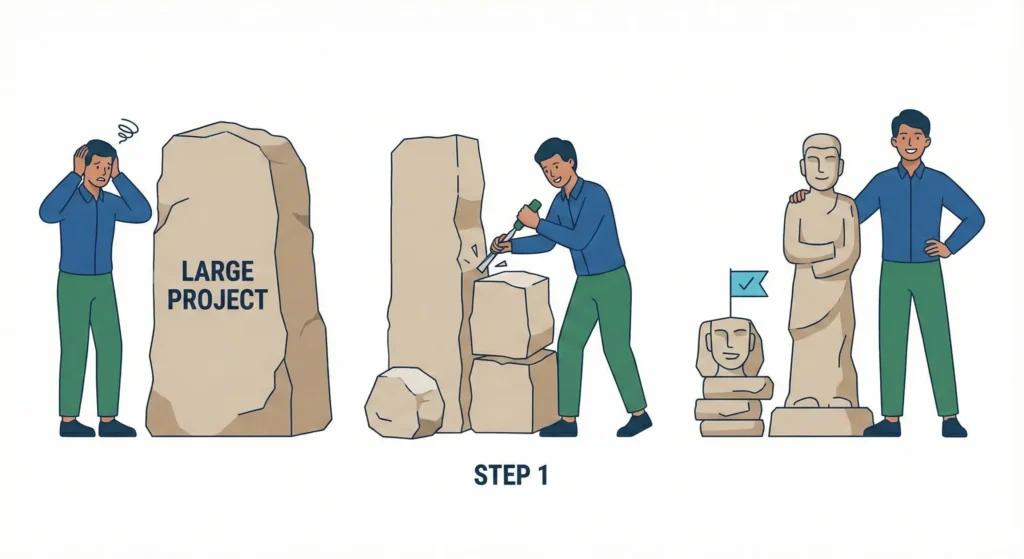
Procrastination is one of the biggest time management challenges. Combat it by breaking large projects into smaller, manageable steps. Instead of “write report,” break it down into “outline main points,” “draft introduction,” and “complete section one.” Each small step feels less daunting and provides a sense of accomplishment that builds momentum.
The Pomodoro Technique is particularly effective for overcoming procrastination. Work for 25 minutes with complete focus, then take a 5-minute break. After four pomodoros, take a longer 15-30 minute break. This structured approach makes starting less intimidating and helps maintain concentration. You can track your pomodoros easily by checking current local times and setting specific start and end points for each session.
Digital Tools and Time Management Systems
While time management principles remain constant, digital tools can enhance your effectiveness. Choose tools that complement your workflow rather than complicating it. A simple calendar app combined with a task manager often works better than complex project management software you’ll never fully utilize.
Consider using calendar blocking features to visualize your day, time tracking apps to understand where your hours go, and focus apps that block distracting websites during work sessions. The key is selecting tools you’ll actually use consistently. Start simple and add complexity only when needed.
The Power of Saying No
Effective time management requires protecting your time by declining requests that don’t align with your priorities. Every yes to something unimportant is a no to something that matters. Practice polite but firm ways to decline: “I appreciate you thinking of me, but I don’t have the capacity to take this on right now” or “That’s not aligned with my current priorities, but I’d recommend speaking with [person].”
Remember that saying no to others means saying yes to your own goals and commitments. This isn’t selfishness—it’s necessary boundary-setting that allows you to deliver excellent results on your actual priorities.
Weekly Planning and Review Sessions
Dedicate time each week to planning and reflection. Sunday evening or Monday morning works well for most people. During this session, review what you accomplished last week, identify what worked and what didn’t, and plan the upcoming week’s priorities. This practice provides clarity and reduces the mental load of constantly figuring out what to do next.
Your weekly planning should include scheduling time blocks for major projects, identifying potential obstacles, and ensuring you’re allocating time to important-but-not-urgent activities that often get neglected. For additional strategies and detailed planning templates, explore our comprehensive guide section.
Managing Energy, Not Just Time
Truly effective time management considers energy levels alongside available hours. You might have eight hours in your workday, but you don’t have eight hours of peak mental capacity. Schedule cognitively demanding work during high-energy periods and save routine tasks for when your energy naturally dips.
Support your energy management through consistent sleep schedules, regular exercise, proper nutrition, and adequate hydration. These fundamentals dramatically impact your ability to focus and maintain productivity throughout the day. Time management techniques work best when you have the physical and mental energy to execute them.
Continuous Improvement and Adaptation
The most effective time management system is one that evolves with your needs. Regularly assess what’s working and what isn’t. Perhaps time blocking works perfectly for focused work but feels too rigid for collaborative days. Maybe you need shorter focus sessions than the traditional 90-minute blocks. Adjust your approach based on real results rather than sticking with techniques that aren’t serving you.
Track key metrics like tasks completed, time spent on priority projects, and your subjective sense of control and accomplishment. These indicators will help you refine your approach over time and develop a personalized time management system that actually fits your life.
Conclusion: Taking Action on Time Management
Effective time management techniques and tips aren’t about perfection—they’re about progress. Start by implementing one or two strategies from this guide rather than trying to overhaul your entire approach overnight. Perhaps begin with time blocking your mornings or applying the two-minute rule consistently for one week. Small changes compound into significant improvements over time.
Remember that managing your time effectively is a skill that develops with practice. Be patient with yourself as you build new habits and find what works best for your unique situation. The investment you make in developing these skills will pay dividends in productivity, reduced stress, and a greater sense of control over your days.
Frequently Asked Questions
What is the most effective time management technique?
The most effective time management technique varies by individual, but time blocking combined with the Eisenhower Priority Matrix consistently produces strong results. Time blocking involves scheduling specific blocks for tasks, while the priority matrix helps you focus on important rather than just urgent tasks.
How do I start managing my time better?
Start by tracking how you currently spend your time for one week. Then implement one simple technique like the two-minute rule or basic time blocking for your most important tasks. Focus on consistency with one method before adding more complex systems.
What is the two-minute rule in time management?
The two-minute rule states that if a task takes less than two minutes to complete, do it immediately rather than adding it to your to-do list. This prevents small tasks from accumulating and becoming overwhelming.
How does time blocking improve productivity?
Time blocking improves productivity by assigning specific time slots to tasks on your calendar, reducing decision fatigue and context switching. It helps you protect time for deep work during peak productivity hours and creates structure that prevents tasks from expanding beyond necessary time limits.
What is the Eisenhower Matrix for time management?
The Eisenhower Matrix categorizes tasks into four quadrants based on urgency and importance: urgent and important (do immediately), not urgent but important (schedule), urgent but not important (delegate), and not urgent and not important (eliminate). This framework helps you focus on meaningful work rather than constantly reacting to urgent distractions.