
The best time to visit Tokyo depends on what you’re looking for in your trip. Spring (March to May) and autumn (September to November) offer the most pleasant weather and iconic seasonal experiences, while summer brings vibrant festivals and winter provides fewer crowds and unique cultural events. Understanding Tokyo’s distinct seasons will help you plan the perfect visit based on your priorities.
Tokyo’s Four Seasons: What to Expect
Tokyo experiences four distinct seasons, each offering unique advantages for visitors. The city’s climate is humid subtropical, with hot summers, mild winters, and significant rainfall during the rainy season in June and early July.
Spring in Tokyo (March to May)
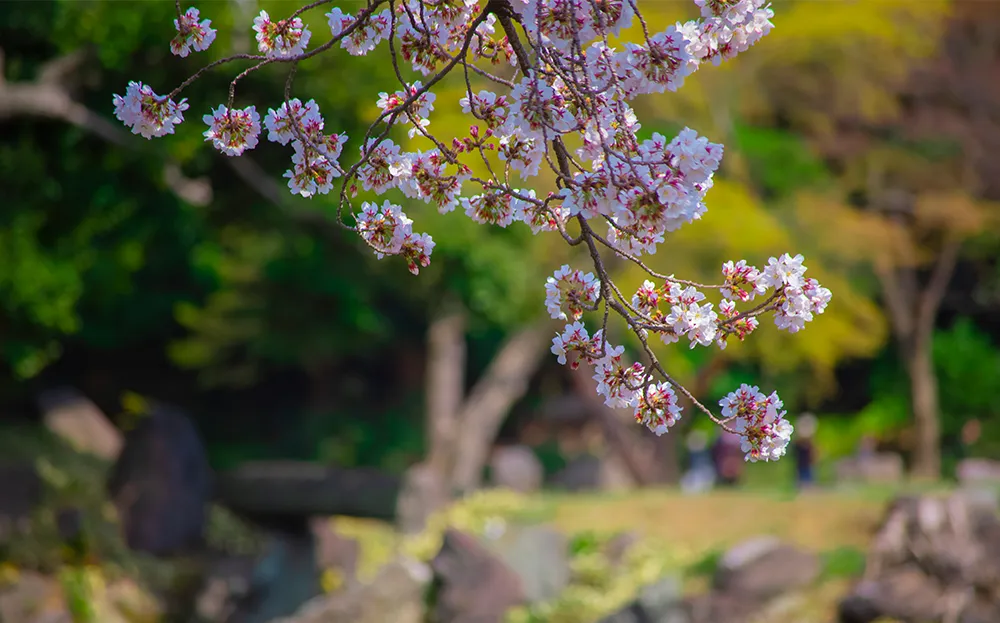
Spring is widely considered one of the best times to visit Tokyo. Cherry blossom season typically peaks in late March to early April, transforming the city into a pink wonderland. Temperatures range from 10°C to 20°C (50°F to 68°F), making it comfortable for sightseeing.
The cherry blossom forecast varies each year, but Ueno Park, Shinjuku Gyoen, and Chidorigafuchi are reliable viewing spots. Keep in mind that this is peak tourist season, so accommodations are more expensive and popular sites are crowded. If you want to track the exact timing of your visit, the world time comparison tool helps coordinate travel plans across different time zones.
Summer in Tokyo (June to August)
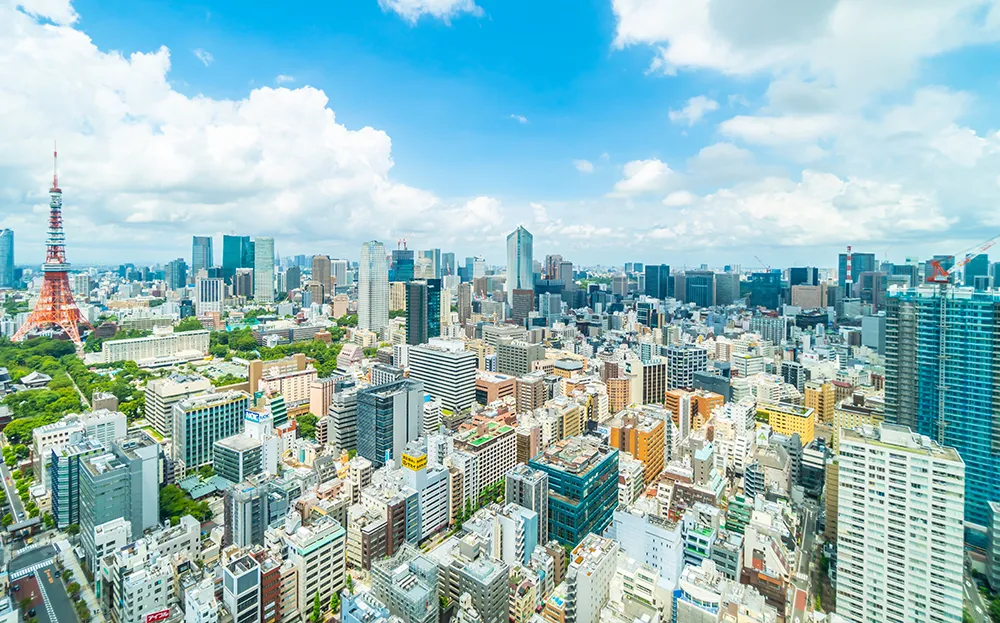
Summer in Tokyo is hot and humid, with temperatures often exceeding 30°C (86°F). The rainy season (tsuyu) occurs in June and early July, bringing frequent rainfall. Despite the weather challenges, summer offers unique experiences like traditional festivals (matsuri), including the famous Sumida River Fireworks Festival in late July.
August is the hottest month but also features the Obon holiday period (mid-August), when many Tokyo residents travel, making the city less crowded. If you can handle the heat and humidity, summer presents opportunities for lower accommodation prices and authentic cultural experiences.
Autumn in Tokyo (September to November)
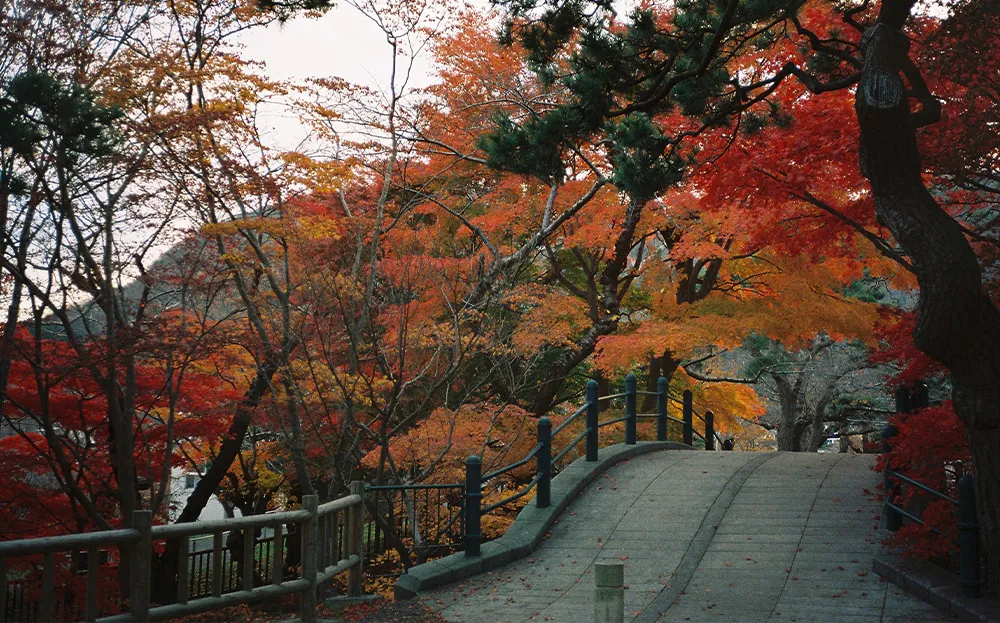
Autumn rivals spring as the best time to visit Tokyo. September can still be warm, but October and November bring comfortable temperatures between 15°C and 22°C (59°F to 72°F). The fall foliage season peaks in late November, with stunning red and gold leaves in parks like Rikugien Garden and Mount Takao.
Autumn weather is generally stable with less rainfall than spring, making it ideal for outdoor exploration. The crowds are smaller than cherry blossom season, though still significant. Cultural events like the Tokyo International Film Festival in October add to the appeal.
Winter in Tokyo (December to February)
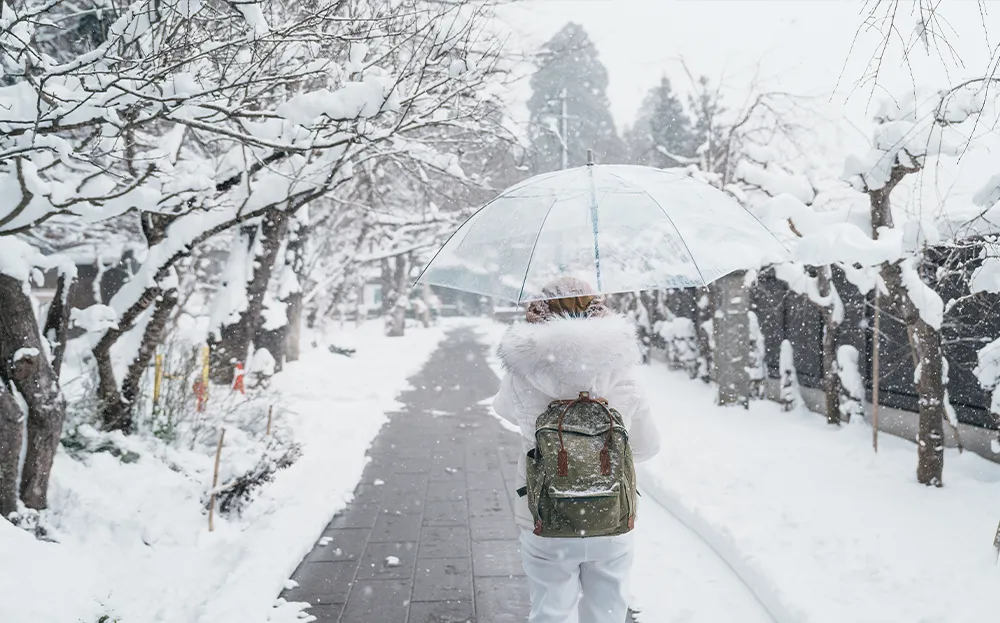
Winter is the least crowded time to visit Tokyo, offering clear skies and crisp temperatures between 5°C and 12°C (41°F to 54°F). Snow is rare in central Tokyo but possible. The holiday season brings beautiful illuminations throughout the city, particularly in Shibuya, Roppongi, and Marunouchi.
New Year (Shogatsu) is Japan’s most important holiday, with many shops and restaurants closed from December 31 to January 3. However, visiting shrines for hatsumode (first shrine visit of the year) is a quintessential Japanese experience. Winter also offers the lowest accommodation prices and easiest access to popular attractions.
Month-by-Month Guide to Visiting Tokyo
| Month | Average Temperature | Rainfall | Crowd Level | Highlights |
|---|---|---|---|---|
| January | 5°C (41°F) | Low | Low | New Year celebrations, winter sales |
| February | 6°C (43°F) | Low | Low | Plum blossoms, fewer tourists |
| March | 10°C (50°F) | Moderate | High | Early cherry blossoms, spring begins |
| April | 15°C (59°F) | Moderate | Very High | Peak cherry blossoms, Golden Week begins |
| May | 20°C (68°F) | Moderate | High | Golden Week holidays, pleasant weather |
| June | 23°C (73°F) | Very High | Moderate | Rainy season, hydrangea blooms |
| July | 26°C (79°F) | High | Moderate | Summer festivals, fireworks |
| August | 28°C (82°F) | Moderate | Moderate | Obon holidays, summer heat |
| September | 24°C (75°F) | High | Moderate | Typhoon season, comfortable temperatures |
| October | 18°C (64°F) | Moderate | High | Perfect weather, autumn colors begin |
| November | 13°C (55°F) | Low | High | Peak fall foliage, comfortable climate |
| December | 8°C (46°F) | Low | Moderate | Holiday illuminations, year-end sales |
Special Considerations for Planning Your Visit
Japanese Public Holidays and Peak Periods
Certain periods see significant domestic travel, affecting accommodation availability and prices. Golden Week (late April to early May) includes multiple national holidays and is one of the busiest travel periods. Obon (mid-August) is when many Japanese return to their hometowns. New Year holidays (December 29 to January 3) see widespread business closures.
During these periods, book accommodations well in advance and expect higher prices. However, some attractions may be less crowded as locals travel outside Tokyo. Using an online stopwatch can help you time activities perfectly when navigating busy periods.
Budget Considerations by Season
Tokyo is expensive year-round, but timing can significantly impact costs. Winter (January to February) and the rainy season (June to early July) offer the best value, with lower accommodation prices and occasional deals. Spring and autumn command premium prices, especially during cherry blossom and fall foliage peaks.
Booking three to six months in advance for peak seasons is advisable. Last-minute deals are rare in Tokyo, particularly during popular periods.
Time Zone and Scheduling Considerations
Tokyo operates on Japan Standard Time (JST), which is UTC+9 with no daylight saving time. This consistency makes planning easier throughout the year. When coordinating international travel or virtual meetings back home, keeping a clock tab open helps maintain awareness of time differences.
Recommended Seasons for Different Travel Styles
For First-Time Visitors
First-time visitors should consider autumn (October to November) as the best compromise. The weather is excellent, crowds are manageable compared to spring, and fall foliage provides beautiful photo opportunities. April is also excellent if you can handle larger crowds and want to experience cherry blossoms.
For Budget Travelers
Visit during winter (January to February) or the rainy season (June to early July) for the best prices. Winter offers clear weather and cultural experiences, while June requires flexibility with weather plans but provides authentic local experiences with fewer tourists.
For Festival Enthusiasts
Summer (July to August) is festival season in Tokyo. The Sumida River Fireworks Festival, Koenji Awa Odori, and numerous neighborhood matsuri offer vibrant cultural experiences. Be prepared for hot, humid weather and occasional heavy rainfall.
For Photographers
Spring (late March to early April) for cherry blossoms or autumn (late November) for fall foliage are ideal. Winter also offers excellent photography opportunities with clear skies, illuminations, and occasional snow, plus fewer crowds at popular photo spots.
Final Recommendations
The absolute best time to visit Tokyo is late March to early April for cherry blossoms or late October to November for fall foliage, provided you book early and don’t mind crowds. For the best overall experience balancing weather, crowds, and value, October is the single best month to visit Tokyo.
If you’re flexible, avoid Golden Week, Obon, and New Year holidays unless you specifically want to experience these cultural periods. June and early July offer the most authentic local experience with the fewest tourists, though weather requires flexibility. January and February provide excellent value and clear weather for those unbothered by cold temperatures.
Ultimately, Tokyo is a year-round destination with something special in every season. Your personal preferences regarding weather tolerance, budget, and desired experiences should guide your decision more than any universal “best time” recommendation.