
Learning how to wear a small watch on a large wrist can transform an ill-fitting timepiece into a stylish accessory. Many watch enthusiasts face this challenge when inheriting vintage pieces, purchasing dress watches, or exploring smaller watch trends. The right techniques make any watch size work beautifully on broader wrists.
Quick Summary Table
| Method | Best For | Difficulty |
|---|---|---|
| Strategic Strap Selection | Immediate visual balance | Easy |
| Proper Watch Positioning | Comfort and proportion | Easy |
| Bracelet Extension | Metal band watches | Moderate |
| Visual Balance Techniques | Overall appearance | Easy |
| Outfit Coordination | Style enhancement | Easy |
Method 1: Choose the Right Strap Width and Material
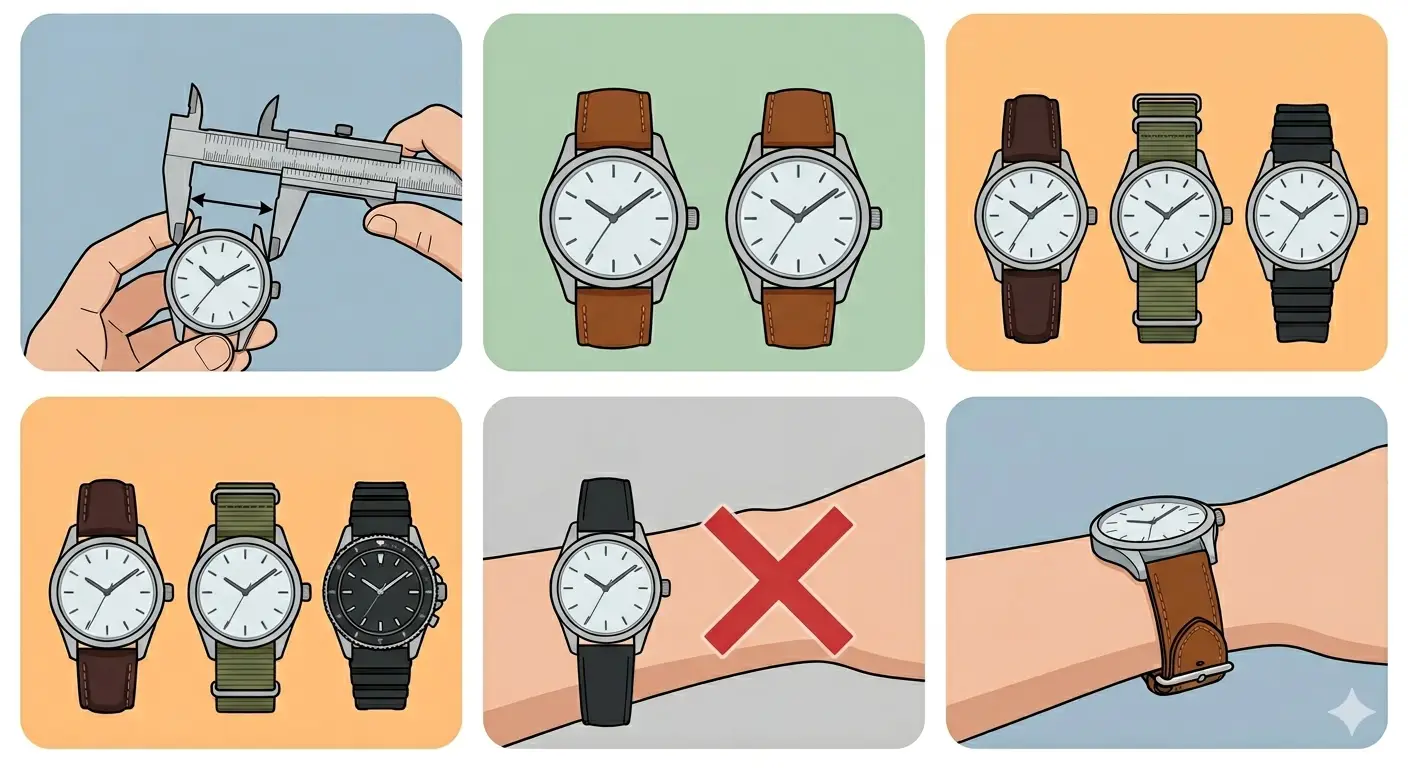
The strap significantly impacts how a small watch appears on a large wrist. Wider straps create visual balance and make the watch look more proportional to wrist size.
- Step 1: Measure the lug width of the watch using a ruler or caliper to determine the maximum strap width possible.
- Step 2: Select a strap that fills the entire space between the lugs without gaps on either side.
- Step 3: Choose materials that add visual weight – leather straps in darker colors, NATO straps with multiple layers, or rubber straps with textured patterns work exceptionally well.
- Step 4: Avoid thin, delicate straps that emphasize the size contrast between the watch and wrist.
- Step 5: Test the strap length to ensure enough material wraps around the wrist with adequate tail length remaining.
Pro-Tip: NATO straps add extra layers beneath the watch case, creating additional visual presence while remaining comfortable for all-day wear.
Method 2: Position the Watch Correctly on the Wrist
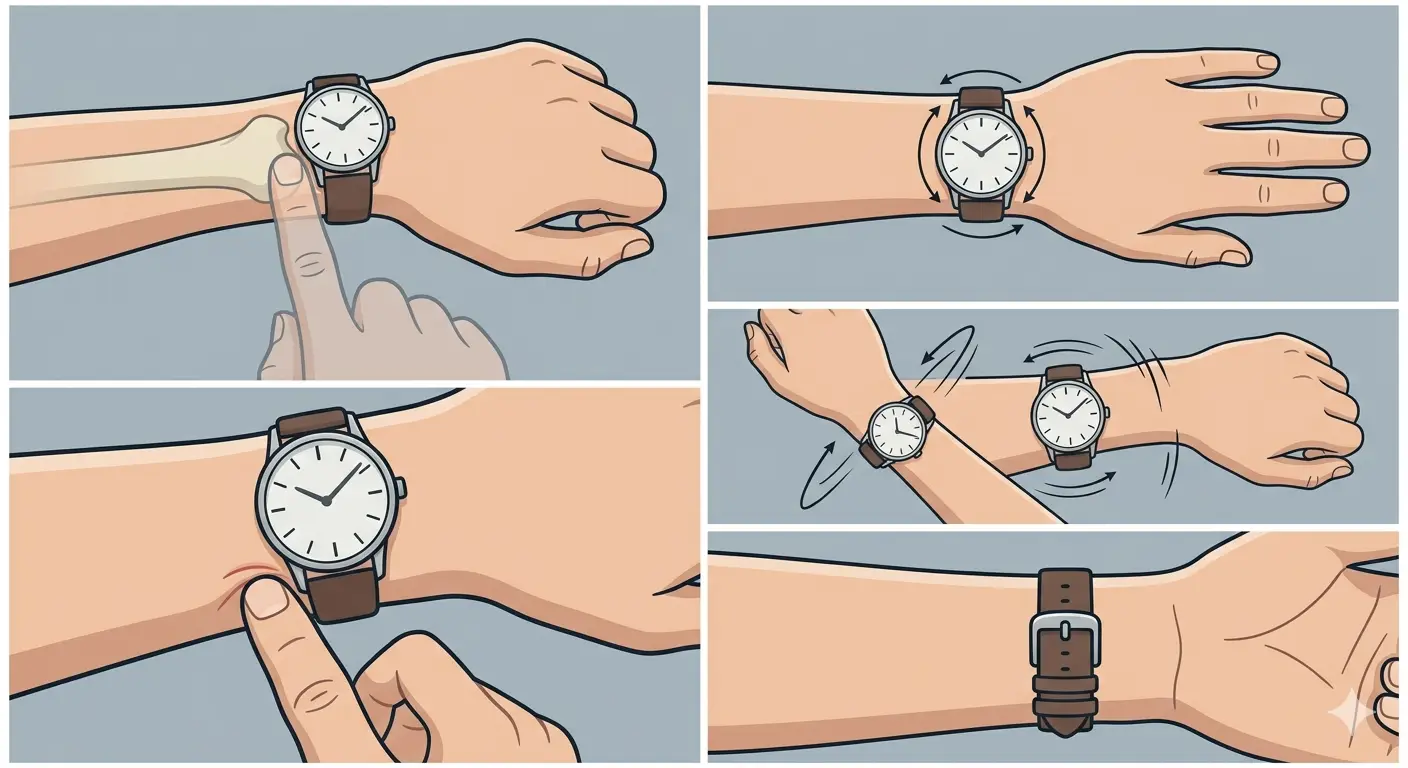
Placement affects both comfort and visual proportion when wearing a small watch on a large wrist.
- Step 1: Place the watch approximately one finger width above the wrist bone (ulnar styloid process) rather than directly on top of it.
- Step 2: Ensure the watch sits flat against the wrist without tilting to either side when the hand is in a neutral position.
- Step 3: Adjust the strap tightness so the watch stays in position during arm movement but doesn’t leave deep impressions on the skin.
- Step 4: Check that the watch doesn’t slide excessively when rotating the wrist or moving the arm.
- Step 5: Position the buckle or clasp centered on the underside of the wrist for balanced weight distribution.
Method 3: Extend or Replace the Bracelet
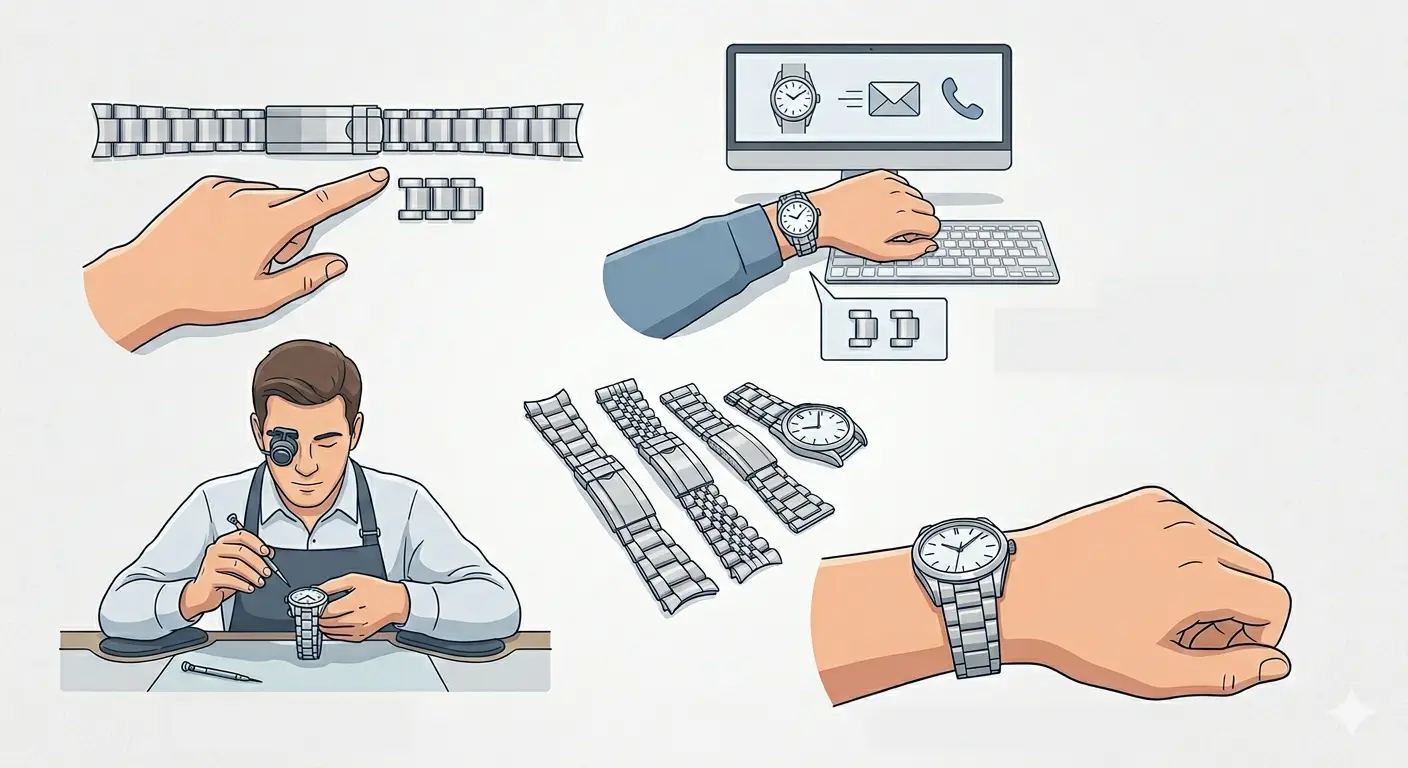
Metal bracelets often require modifications to fit larger wrists properly while maintaining the watch’s original aesthetic.
- Step 1: Count the removable links in the current bracelet to determine if additional links are needed.
- Step 2: Contact the watch manufacturer or authorized dealers to purchase matching bracelet links if the current bracelet is too short.
- Step 3: Bring the watch to a professional jeweler or watchmaker who can add links without damaging the bracelet.
- Step 4: Consider aftermarket bracelets designed for the specific watch model if original parts are unavailable.
- Step 5: Ensure any added links match the original bracelet’s finish, taper, and overall quality.
Method 4: Use Visual Balance Techniques
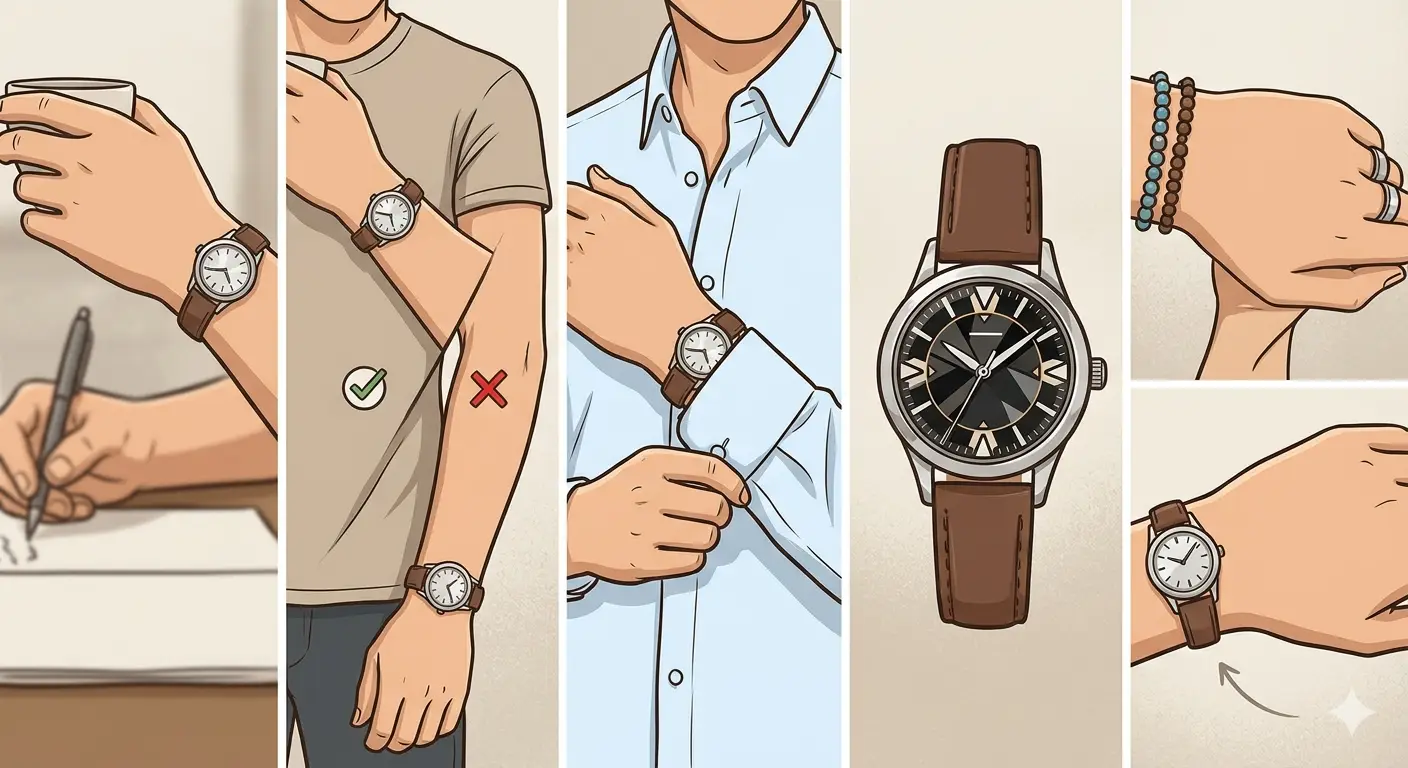
Creating visual harmony between a small watch and large wrist involves strategic styling choices that draw attention appropriately.
- Step 1: Wear the watch on the non-dominant hand where it receives less visual attention during daily activities.
- Step 2: Avoid wearing the watch with short sleeves that expose the entire wrist and emphasize size disparity.
- Step 3: Choose long-sleeved shirts or jackets that partially cover the watch, creating a more balanced visual frame.
- Step 4: Select watch faces with bolder designs, contrasting colors, or distinctive features that command attention despite smaller size.
- Step 5: Keep other wrist accessories minimal to prevent competing visual elements that highlight the watch’s smaller proportions.
Method 5: Coordinate With Appropriate Outfits
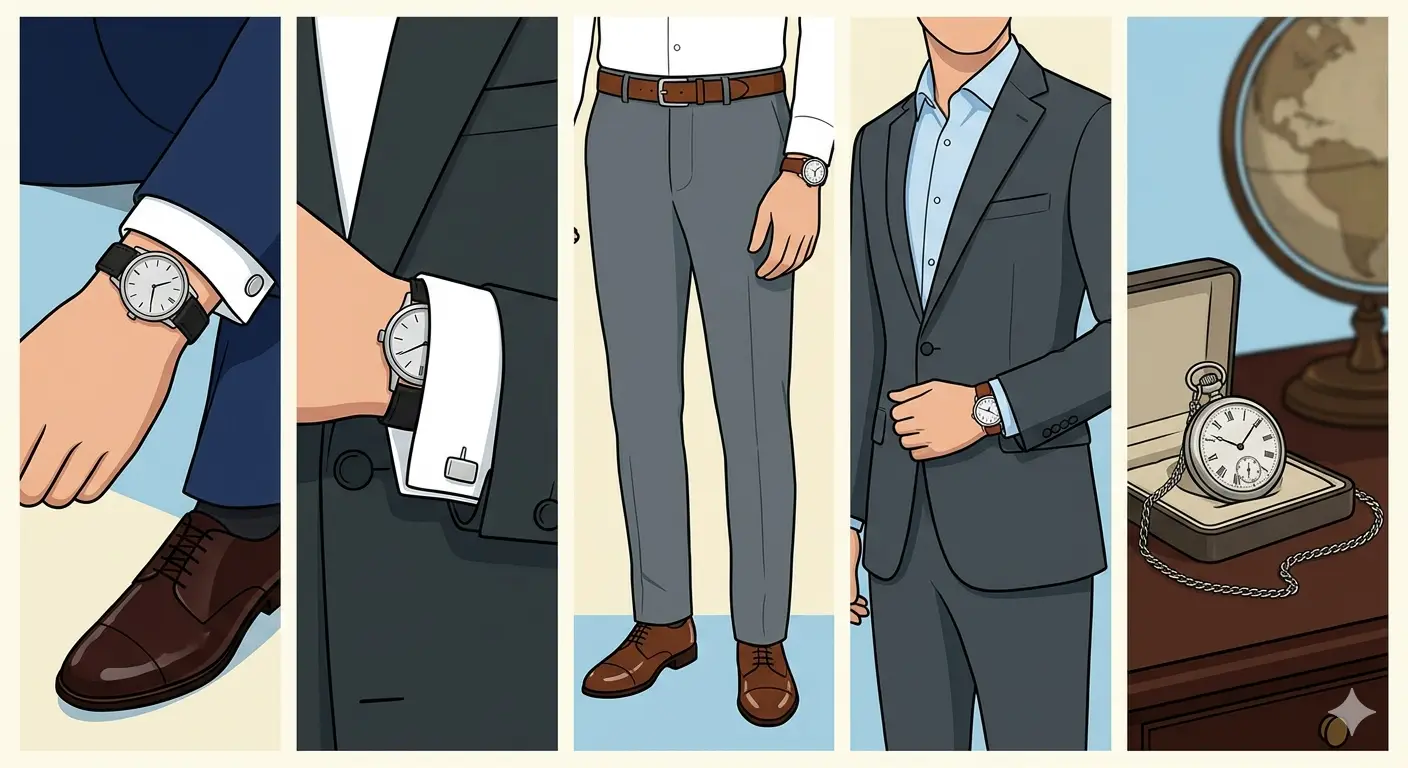
Outfit selection enhances how a small watch integrates with overall appearance on a large wrist.
- Step 1: Pair smaller watches with formal attire where dress watches traditionally feature more modest proportions.
- Step 2: Wear suits or dress shirts with French cuffs that partially conceal the watch until intentionally revealed.
- Step 3: Match the watch strap color with belt and shoe colors to create cohesive styling that deemphasizes size concerns.
- Step 4: Choose fitted clothing that complements body proportions rather than oversized garments that accentuate the watch’s smaller size.
- Step 5: Reserve extremely small vintage watches for special occasions rather than daily casual wear where size contrast becomes more apparent.
For those who frequently check time across different zones, tools like the world time comparison tool complement any watch collection beautifully.
Method 6: Embrace the Vintage Aesthetic
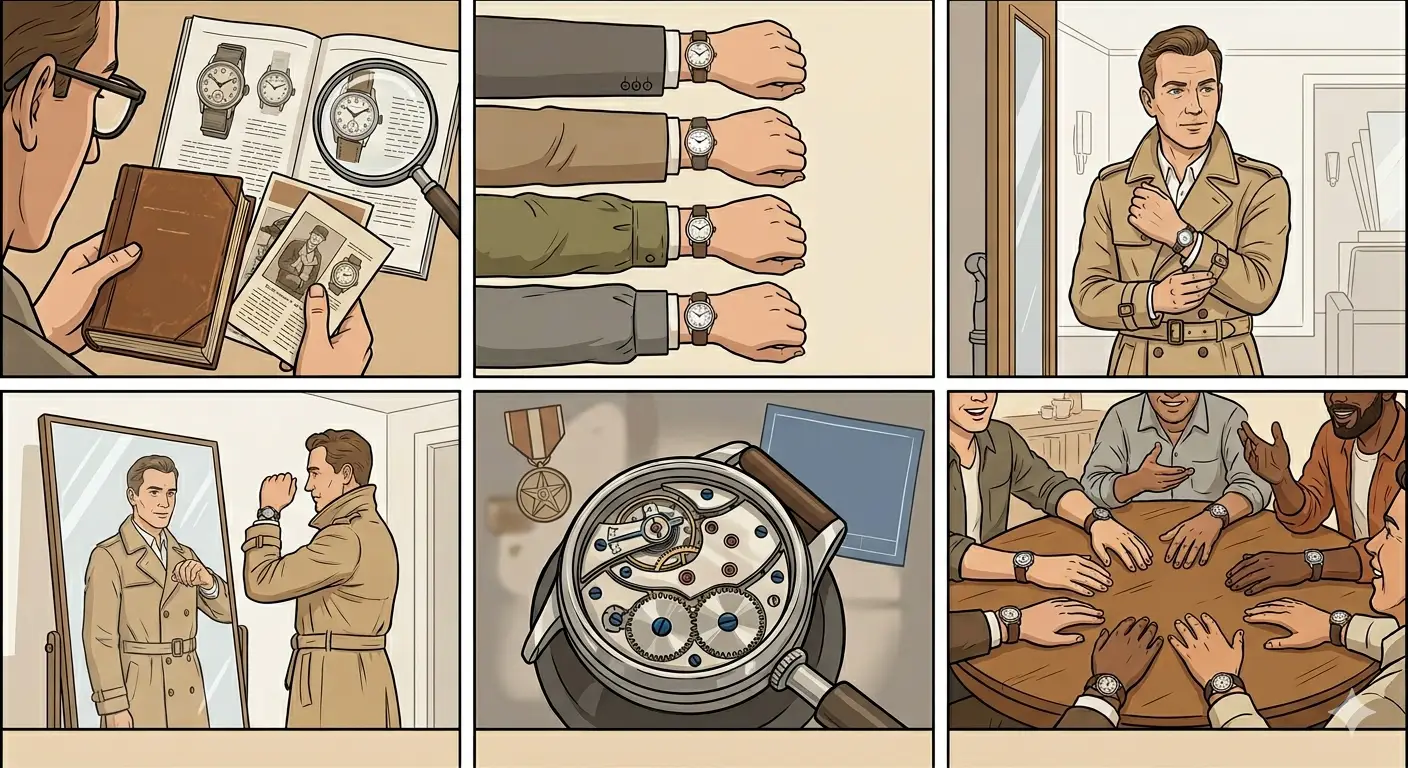
Historical context provides confidence when wearing smaller watches that reflect traditional sizing standards.
- Step 1: Research the original era and intended purpose of vintage watches to understand their authentic sizing.
- Step 2: Recognize that watches from the 1940s-1960s typically measured 32-36mm, which was standard for all wrist sizes.
- Step 3: Appreciate the elegant proportions that smaller cases provide without the bulk of modern oversized sports watches.
- Step 4: Focus on the watch’s historical significance and craftsmanship rather than contemporary size expectations.
- Step 5: Join watch enthusiast communities where vintage sizing is celebrated and understood contextually.
Tips for Wearing Small Watches on Large Wrists
- Darker strap colors (black, brown, navy) create better visual weight than lighter shades
- Textured or patterned straps add dimension that makes watches appear more substantial
- Avoid metal mesh bracelets on small watches as they emphasize delicate proportions
- Consider watches with larger crowns or pushers that add visual interest beyond case size
- Vintage-style domed crystals make watch faces appear larger than flat crystals
- Contrasting dial colors (white dial with black hands or vice versa) increase visual presence
- Keep the watch clean and polished to ensure it catches light and draws positive attention
- Rotate between different strap options to find what works best for various occasions
- Build confidence by wearing the watch regularly until it feels natural
- Remember that proper fit matters more than following current oversized watch trends
When timing activities precisely, the online stopwatch serves as a practical digital companion to any analog timepiece.
Common Problems and Solutions
Problem 1: Watch Slides Around the Wrist Constantly
This occurs when the strap is too loose or the watch is positioned incorrectly. Tighten the strap by one notch so the watch stays in place during normal arm movement but still allows one finger to slide beneath the strap comfortably. Reposition the watch slightly higher on the wrist where the circumference is often smaller and more stable.
Problem 2: Strap is Too Short to Close Properly
Small vintage watches sometimes come with straps sized for smaller wrists. Purchase a longer replacement strap in the same width, ensuring it measures at least 120mm on the long side and 75mm on the short side for larger wrists. Leather and NATO straps typically offer more length options than original vintage straps.
Problem 3: Watch Looks Lost on the Wrist
Visual disproportion becomes obvious when too much bare wrist shows around a small watch. Address this by choosing straps in bold colors or patterns that extend the visual footprint, wearing long sleeves that frame the watch area, and focusing on watches with high-contrast dials that command attention despite compact size.
Problem 4: Metal Bracelet Cannot Extend Further
Bracelets with no additional links available create frustration. Contact the manufacturer for compatible extension links, explore aftermarket bracelet options specifically designed for the watch model, or switch to a leather or fabric strap that offers more sizing flexibility without compromising the watch’s appearance.
Problem 5: Watch Feels Uncomfortable During Daily Activities
Small watches on large wrists sometimes dig into the skin or feel unstable. Ensure the watch sits above the wrist bone in the flatter area of the forearm, adjust strap tightness to allow slight movement without excessive sliding, and consider softer strap materials like nubuck or suede that conform better to wrist contours.
Frequently Asked Questions
What is the smallest watch size that works on a large wrist?
Watches as small as 34mm can work on large wrists when styled appropriately with the right strap, positioning, and outfit choices. Vintage dress watches in this size range were historically worn by people of all wrist sizes. The key is confidence and proper styling rather than adhering to modern size conventions that favor larger cases.
Should the watch strap match wrist width exactly?
The strap width should match the lug width of the watch rather than wrist width. A strap that fills the space between the lugs completely creates better visual balance than a narrower strap with gaps. Focus on strap material and color to add visual weight rather than trying to match strap width to wrist dimensions.
Can a small watch look masculine on a large wrist?
Absolutely. Masculinity in watches relates more to design elements like dial layout, case shape, and overall styling than pure size. Many iconic masculine watches from the mid-20th century measured 34-36mm. Vintage military watches, classic dress watches, and heritage timepieces prove that smaller sizes carry strong masculine appeal when worn with confidence.
How tight should a small watch be worn on a large wrist?
The watch should fit snugly enough to stay in position during arm movement but loose enough to allow one finger to slide comfortably beneath the strap. Overtightening creates discomfort and skin indentation, while too loose causes excessive sliding. The watch should remain in place when shaking hands or gesturing without requiring constant adjustment.
Do darker straps make small watches look bigger?
Darker straps create more visual weight and definition, making the overall watch presence more substantial on larger wrists. Black, dark brown, and navy blue straps provide better contrast and draw the eye to the watch as a complete unit rather than emphasizing the case size alone. Light-colored straps can make small watches appear more delicate by comparison.
Should someone with large wrists avoid small watches entirely?
No. Watch size is a personal choice that should reflect individual style preferences rather than strict proportion rules. Many watch enthusiasts with large wrists deliberately choose smaller vintage pieces for their elegance, historical significance, and refined aesthetics. Modern oversized watch trends have skewed perceptions, but classic sizing remains timeless and appropriate for all wrist sizes.
How can someone build confidence wearing a small watch on a large wrist?
Start by wearing the watch in comfortable settings before high-pressure situations. Research the historical context of the watch to appreciate its authentic sizing. Join online watch communities where smaller sizes are celebrated. Remember that most people rarely scrutinize watch-to-wrist proportions as critically as the wearer does. Focus on the watch’s craftsmanship and story rather than size comparisons.
What strap materials work best for small watches on large wrists?
Leather straps in medium to thick gauges provide excellent visual weight. NATO straps add multiple fabric layers that increase presence. Rubber straps with textured patterns or racing-style designs create bold visual interest. Avoid thin lizard or alligator straps and delicate metal mesh bracelets that emphasize the watch’s smaller proportions.
Does watch positioning affect how size appears on the wrist?
Yes significantly. Wearing the watch higher on the forearm, about one finger width above the wrist bone, positions it on a slightly narrower part of the arm. This placement also prevents the watch from interfering with hand movement and creates a more elegant proportion. Avoid wearing small watches directly on the wrist bone where size contrast becomes most apparent.
Can outfit choices really make a difference in watch appearance?
Outfit coordination dramatically affects how watches integrate with overall appearance. Formal attire with dress shirts and suits naturally complements smaller dress watches. Long sleeves that partially cover the watch create visual framing that minimizes size concerns. Matching strap colors with belts and shoes creates cohesive styling that makes the watch feel intentional rather than mismatched.
Those who appreciate precise timekeeping might enjoy the simple functionality of a clock tab alongside traditional wrist watches.