
Choosing between a fitness tracker and a full smartwatch can feel overwhelming with so many options available. Both devices offer health monitoring features, but they serve different purposes and come with distinct advantages. Understanding the key differences helps narrow down which device best matches specific needs, budget, and lifestyle requirements.
Quick Summary Table
| Feature | Fitness Tracker | Full Smartwatch |
|---|---|---|
| Primary Focus | Health & fitness monitoring | Smart features + fitness tracking |
| Battery Life | 5-14 days | 1-3 days |
| Price Range | $30-$200 | $200-$800+ |
| Display | Basic, often monochrome | Full-color touchscreen |
| Apps & Notifications | Limited | Extensive |
| Best For | Dedicated fitness enthusiasts | All-in-one connectivity |
Understanding the Core Differences
What Makes a Fitness Tracker Unique
Fitness trackers specialize in health metrics. These devices excel at monitoring steps, heart rate, sleep patterns, and workout activities. The design prioritizes battery efficiency and lightweight comfort, making them ideal for 24/7 wear without frequent charging interruptions.
Most fitness trackers feature slim profiles that barely notice on the wrist during sleep or intense workouts. The simplified interface focuses solely on health data, eliminating distractions from notifications and apps that might interrupt training sessions.
What Defines a Full Smartwatch
Smartwatches function as wrist-mounted smartphones. Beyond fitness tracking, these devices handle calls, texts, emails, app installations, music streaming, and mobile payments. The larger displays support touch navigation and rich graphics, creating a more interactive experience.
The trade-off comes with reduced battery life and increased bulk. Smartwatches typically require daily charging and weigh more than basic trackers, which some users find less comfortable during extended wear.
Method 1: Evaluating Based on Fitness Goals
For Serious Athletes and Training Regimens
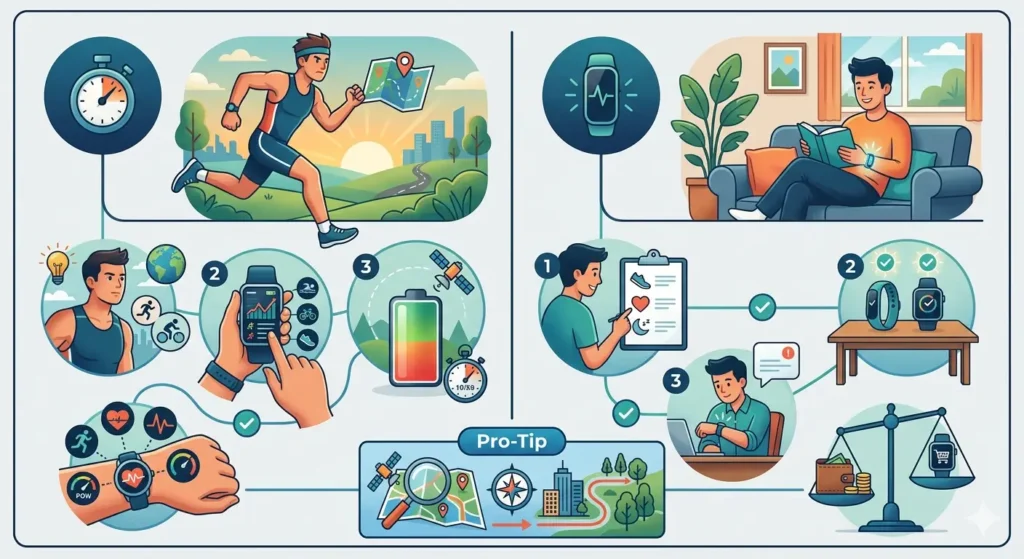
Athletes following structured training programs benefit from dedicated fitness trackers. Devices like the Garmin Forerunner series or Polar Vantage models offer advanced metrics such as VO2 max, training load, recovery time, and sport-specific modes for swimming, cycling, or running.
- Step 1: Identify the primary sport or activity performed most frequently
- Step 2: Check which device offers specialized tracking modes for that activity
- Step 3: Compare battery life during GPS tracking – longer sessions need extended battery capacity
- Step 4: Review available metrics like cadence, stride length, or power output if training at competitive levels
Pro-Tip: Fitness trackers with multi-band GPS (using multiple satellite systems) provide significantly more accurate distance and pace tracking compared to standard GPS, especially in urban areas with tall buildings or dense forest trails.
For General Health Monitoring
Individuals focused on daily activity goals, weight management, or sleep improvement find either option suitable. The decision point becomes whether additional smart features justify the price difference and reduced battery life.
- Step 1: List the health metrics that matter most (steps, heart rate, sleep quality, stress levels)
- Step 2: Determine if both device types offer these basic tracking features
- Step 3: Assess how often checking notifications on the wrist matters throughout the day
- Step 4: Consider if paying 2-3x more for smart features aligns with the budget
Method 2: Assessing Daily Usage Patterns
Heavy Smartphone Users
People constantly receiving calls, messages, and app notifications gain convenience from smartwatches. Checking the wrist instead of pulling out a phone dozens of times daily adds genuine productivity, especially during meetings, workouts, or driving.
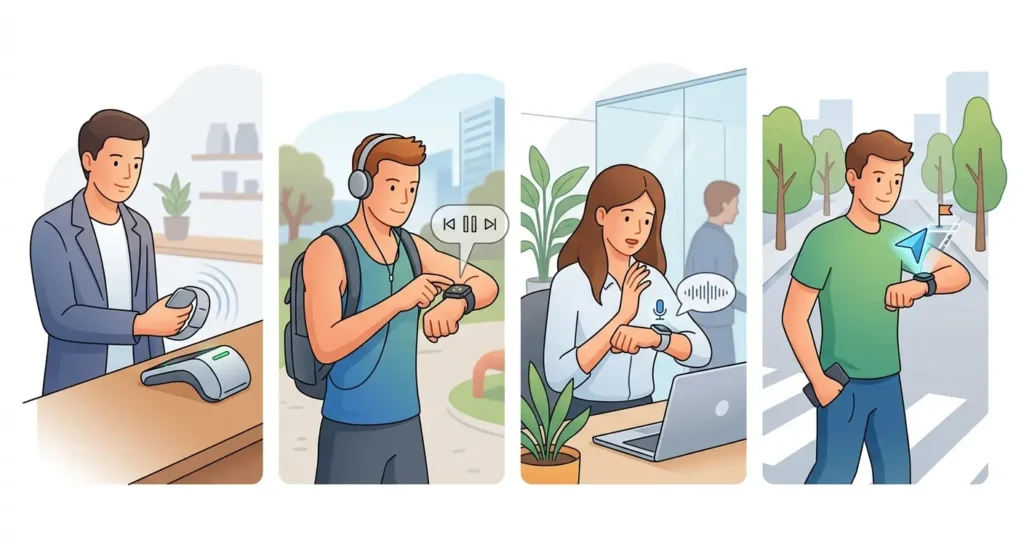
Smartwatches shine when using features like:
- Contactless payments at stores without carrying a wallet
- Controlling music playback during commutes or gym sessions
- Responding to urgent messages with quick voice replies
- Navigating with turn-by-turn directions on the wrist
Minimal Phone Interaction
Users who check phones infrequently or prefer disconnecting during activities waste money on smartwatch features that remain unused. A fitness tracker delivers all necessary health data without the temptation of constant connectivity.
Method 3: Comparing Budget and Value

Cost Analysis for Fitness Trackers
Quality fitness trackers start around $50-$80 for models like the Xiaomi Mi Band or Fitbit Inspire series. Mid-range options ($100-$150) include the Fitbit Charge or Garmin Vivosmart, while premium trackers ($150-$250) like the Garmin Vivosport or Polar Ignite offer advanced analytics.
- Step 1: Set a realistic budget ceiling before browsing options
- Step 2: Research which brands offer the best sensor accuracy within that price range
- Step 3: Factor in potential subscription costs for premium app features
- Step 4: Calculate the cost-per-year based on typical device lifespan (2-3 years)
Cost Analysis for Smartwatches
Entry-level smartwatches from brands like Samsung or Amazfit start around $150-$200. Mid-tier options ($250-$400) include the Apple Watch SE or Samsung Galaxy Watch, while flagship models ($400-$800) offer cellular connectivity, premium materials, and advanced health sensors.
Hidden costs include:
- Cellular data plans if choosing LTE-enabled models ($10-$15 monthly)
- Replacement bands and accessories
- More frequent battery replacements due to daily charging cycles
Method 4: Examining Battery Life Requirements

Extended Battery Preference
Travelers, campers, or anyone tired of daily charging routines strongly prefer fitness trackers. Models like the Garmin Vivosmart or Fitbit Charge last 7-10 days on a single charge, while some basic trackers stretch to 14 days.
- Step 1: Track how often forgetting to charge devices causes problems currently
- Step 2: Consider travel frequency and access to charging points
- Step 3: Evaluate if overnight charging habits already exist for other devices
Pro-Tip: Using an online stopwatch to track actual battery drain over a few days reveals real-world performance, which often differs from manufacturer claims by 20-30% depending on usage intensity.
Daily Charging Acceptance
Users already charging phones, earbuds, and other devices nightly find adding a smartwatch to the routine manageable. Most smartwatches charge fully within 1-2 hours, making overnight charging the standard approach.
Method 5: Analyzing Ecosystem Compatibility

Apple Users
iPhone owners face a clear decision: the Apple Watch integrates seamlessly with iOS, offering features like iMessage replies, Siri commands, and Apple Pay. Third-party options work with iPhones but lose significant functionality compared to Android pairing.
- Step 1: Determine if staying within the Apple ecosystem matters for seamless integration
- Step 2: Consider whether using Apple services (Music, Fitness+, Pay) justifies the premium price
- Step 3: Evaluate if family sharing features for kids or elderly relatives add value
Android Users
Android users enjoy broader flexibility. Samsung Galaxy Watches work best with Samsung phones, Wear OS watches support any Android device, and most fitness trackers function universally across platforms. This flexibility often makes choosing based purely on features and price easier.
Tips for Making the Final Decision
- Visit retail stores to test how each device feels on the wrist – comfort during all-day wear varies significantly between models
- Read user reviews focusing on long-term durability and customer service experiences rather than just initial impressions
- Check if the companion app (where all data syncs) has positive ratings and receives regular updates
- Verify water resistance ratings if swimming or showering with the device matters
- Consider starting with a budget fitness tracker to determine if wrist-worn devices fit the lifestyle before investing in premium smartwatches
- Compare using a world time comparison tool when researching international shipping times or warranty service locations
- Look for seasonal sales during Black Friday, Prime Day, or holiday periods when prices drop 30-40%
- Check if health insurance providers offer discounts or reimbursements for purchasing fitness tracking devices
Common Problems and Troubleshooting
Issue: Inaccurate Heart Rate Readings
Both fitness trackers and smartwatches occasionally show incorrect heart rate data. This typically happens when the device sits too loosely on the wrist or when skin type affects sensor performance.
Solution: Wear the device 1-2 finger widths above the wrist bone and tighten the band during workouts. Clean the sensors weekly with a damp cloth to remove sweat residue and oils.
Issue: Poor Battery Life Performance
Devices draining faster than advertised usually result from excessive notification syncing, always-on displays, or frequent GPS usage.
Solution: Disable always-on display mode, reduce notification frequency to essential apps only, and use connected GPS (phone) instead of built-in GPS when possible. Check for firmware updates that often include battery optimization improvements.
Issue: Syncing Problems with Smartphone
Fitness data failing to transfer to the companion app frustrates many users, especially after workouts.
Solution: Force close the companion app completely and restart Bluetooth on the phone. Ensure the device firmware and app version both match current releases. Unpair and re-pair the device if problems persist beyond 24 hours.
Issue: Uncomfortable for Sleep Tracking
Bulky smartwatches often feel too large and heavy for comfortable overnight wear, defeating the purpose of sleep monitoring features.
Solution: Switch to a lighter, softer band material specifically for nighttime use. Fitness trackers with slim profiles generally cause fewer comfort issues during sleep. Some users rotate between devices, using a smartwatch during the day and a basic tracker at night.
Frequently Asked Questions
Can fitness trackers receive text messages and calls?
Most fitness trackers display incoming call and text notifications but do not allow direct replies or call answering. The device vibrates and shows the caller name or message preview, requiring the phone to respond. Some advanced fitness trackers offer quick rejection messages for calls.
Do smartwatches track fitness as accurately as dedicated trackers?
Modern smartwatches from major brands (Apple, Samsung, Garmin) track basic fitness metrics with comparable accuracy to dedicated trackers. However, specialized fitness trackers often provide more advanced sport-specific metrics, longer battery life during GPS tracking, and better algorithm optimization for athletic performance analysis.
How long do these devices typically last before needing replacement?
Fitness trackers generally last 2-4 years with proper care, while smartwatches average 3-5 years. Battery degradation becomes the primary limiting factor, with most devices showing noticeable capacity reduction after 500-1000 charge cycles. Physical wear on bands, screens, and water seals also contributes to eventual replacement needs.
Can either device work without a smartphone?
Basic fitness trackers store workout data internally and sync when reconnected to a phone, allowing temporary standalone use. Smartwatches with cellular connectivity (LTE models) function independently for calls, messages, and streaming, but cost significantly more and require separate data plans. Most features on both device types require initial smartphone setup and periodic syncing.
Which option better tracks sleep quality?
Both device types use similar sensors (heart rate, accelerometer) for sleep tracking, making accuracy comparable. Fitness trackers offer advantages with longer battery life (no overnight charging needed) and more comfortable, lightweight designs for extended wear. Advanced sleep metrics like blood oxygen monitoring and sleep stage detection appear on both premium trackers and smartwatches.
Are waterproof ratings the same across all devices?
Water resistance varies significantly by model. Most modern devices carry 5ATM (50 meters) or IP68 ratings, suitable for swimming and showering. Budget fitness trackers may only offer splash resistance. Always verify specific ratings before water activities – ‘water-resistant’ differs from ‘waterproof,’ and salt water requires fresh water rinsing afterward.
Do these devices require monthly subscriptions?
Basic functionality works without subscriptions on most devices. However, brands like Fitbit Premium ($10/month), Apple Fitness+ ($10/month), and Garmin Coach offer advanced analytics, guided workouts, and detailed health insights through optional paid tiers. Cellular-enabled smartwatches require separate data plans ($10-$15/month) for standalone connectivity.
Can multiple family members use the same device?
Devices link to individual user accounts and calibrate based on personal metrics (height, weight, age, fitness level), making sharing impractical. Data accuracy suffers when different people wear the same tracker. Budget-conscious families should consider multiple basic trackers rather than sharing one premium device.
Which brands offer the best customer support and warranty coverage?
Apple, Garmin, and Samsung provide comprehensive 1-year warranties with responsive customer service and established repair networks. Budget brands like Xiaomi or Amazfit offer limited support with slower response times. Extended warranties cost 15-20% of device price but cover battery replacement and accidental damage beyond standard coverage.
How often should the device be charged to maximize battery lifespan?
Keeping battery levels between 20-80% extends overall lifespan compared to full 0-100% cycles. For fitness trackers with week-long battery life, charging every 5-6 days instead of waiting for complete depletion helps. Smartwatch users should enable optimized charging features that learn usage patterns and slow charging near completion to reduce stress on battery cells. Using a clock tab helps maintain consistent charging schedules.
Final Recommendation
The choice between a fitness tracker and smartwatch ultimately depends on prioritizing health focus versus connectivity convenience. Fitness trackers suit dedicated athletes, budget-conscious buyers, and anyone valuing extended battery life with minimal distractions. Smartwatches serve tech enthusiasts, heavy smartphone users, and those wanting an all-in-one wrist computer despite higher costs and daily charging.
Testing devices in person, reading long-term user reviews, and honestly assessing daily habits reveals which category aligns better with actual needs rather than aspirational goals. Starting with a mid-range option in either category provides enough experience to make informed decisions about future upgrades without significant financial risk.