
The best time to visit Rome depends on your priorities—whether you seek pleasant weather, fewer crowds, or budget-friendly options. Generally, April to June and September to October offer the ideal combination of comfortable temperatures, manageable tourist numbers, and vibrant city life. Rome welcomes visitors year-round, but understanding the seasonal variations helps you plan a trip that matches your preferences and travel style.
Rome’s Mediterranean climate brings distinct seasons, each offering unique advantages for travelers. Spring blooms transform the city’s gardens and ancient ruins into picturesque landscapes, while fall provides golden light perfect for photography and comfortable walking temperatures. Summer attracts the largest crowds but also features extended opening hours at major attractions and lively outdoor events. Winter offers the most authentic local experience with significantly lower prices, though some days can be rainy and cooler.
Understanding Rome’s Climate Throughout the Year
Rome experiences a Mediterranean climate characterized by hot, dry summers and mild, wet winters. Average temperatures range from 8°C (46°F) in January to 30°C (86°F) in August. The city receives most of its annual rainfall between October and December, with November typically being the wettest month. Summer months from June through August see minimal precipitation but can experience intense heat waves where temperatures exceed 35°C (95°F).
Spring arrives early in Rome, with March bringing milder temperatures and blooming flowers throughout the city’s parks and archaeological sites. April and May feature average highs between 17°C and 23°C (63°F to 73°F), creating perfect conditions for exploring outdoor attractions. Fall mirrors spring’s pleasant weather, with September often extending summer warmth while October introduces cooler evenings and occasional rainfall.
Spring: Peak Season for Good Reason (March to May)
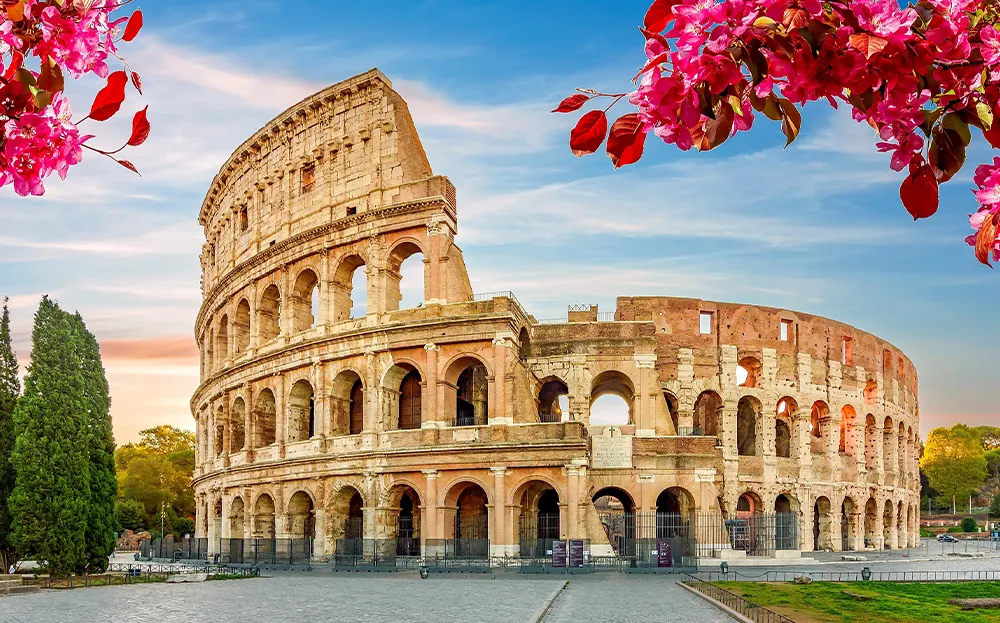
Spring represents one of the best times to visit Rome for most travelers. March marks the beginning of tourist season, with Easter week bringing significant crowds to Vatican City and major basilicas. By April, the weather becomes consistently pleasant with temperatures ranging from 13°C to 20°C (55°F to 68°F), ideal for walking tours through ancient streets and visiting outdoor archaeological sites.
May offers particularly beautiful conditions with warm days, minimal rainfall, and extended daylight hours. The city’s roses bloom spectacularly at the Rose Garden on Aventine Hill, while jacaranda trees add purple canopies to various neighborhoods. Hotel prices increase during this period, especially around Easter and the May 1st holiday, but booking in advance can secure reasonable rates. Restaurant terraces open fully, allowing visitors to enjoy authentic Roman cuisine al fresco.
What to Expect in Spring
Spring brings moderate crowds that increase steadily from March through May. Major attractions like the Colosseum, Vatican Museums, and Roman Forum experience long queues, making advance ticket purchases essential. The pleasant weather encourages outdoor festivals and events, including the Natale di Roma celebration on April 21st, commemorating the city’s founding with historical reenactments and free museum access.
Pack layers for spring visits, as mornings can be cool while afternoons warm up considerably. Light rain showers occur occasionally, particularly in March and early April, so bringing a compact umbrella or rain jacket proves useful. The city’s gelaterias begin extending their hours, and outdoor markets like Campo de’ Fiori become increasingly vibrant with seasonal produce.
Summer: Hot Weather and Peak Tourism (June to August)
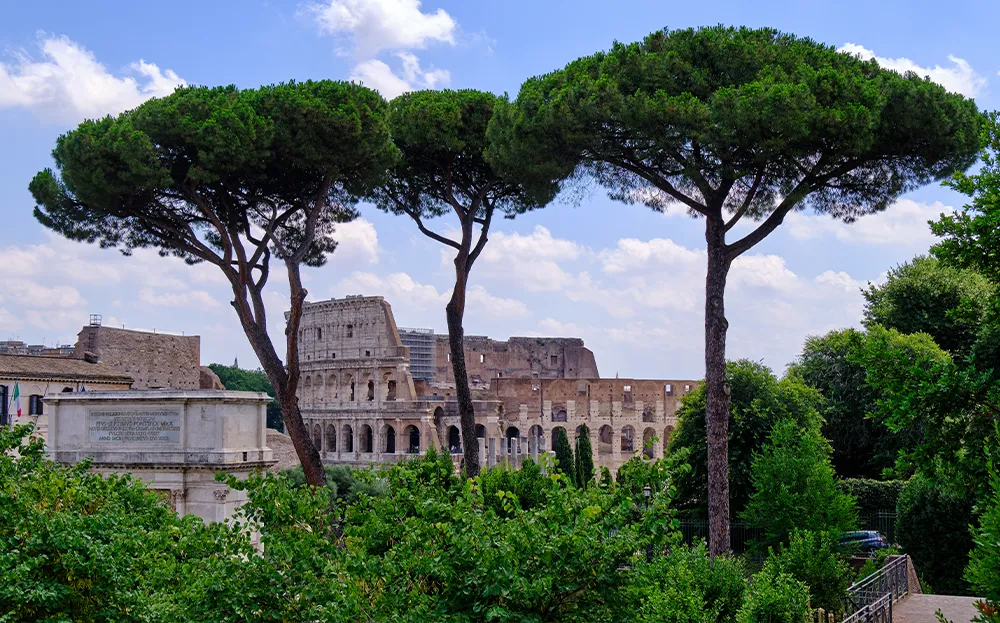
Summer represents Rome’s busiest and hottest season. June brings temperatures averaging 28°C (82°F), while July and August regularly exceed 30°C (86°F) with occasional heat waves pushing temperatures above 35°C (95°F). Despite the heat, summer attracts maximum tourist numbers due to school vacations and traditional vacation periods across Europe and North America.
The intense summer heat makes midday sightseeing challenging, particularly at exposed archaeological sites like the Roman Forum and Palatine Hill. Many Romans leave the city during August for their annual holidays, resulting in some restaurant and shop closures, though major tourist services remain operational. The advantage lies in extended opening hours at museums and archaeological sites, with some venues offering evening visits that provide relief from daytime heat.
Managing Summer Heat and Crowds
Successful summer visits require strategic planning. Start sightseeing early, with visits to outdoor attractions scheduled before 11 AM. Take afternoon breaks during peak heat hours, following the Roman tradition of riposo, then resume activities in the cooler evening hours. Many churches offer air-conditioned respite and free entry, providing cultural experiences while escaping the heat.
Hydration becomes critical during summer months. Rome’s numerous nasoni (public drinking fountains) provide free, potable water throughout the city. Wearing sunscreen, a hat, and light-colored clothing helps manage the intense sun exposure. Despite higher prices and crowds, summer offers unique experiences like outdoor cinema screenings, rooftop bars with extended hours, and the Estate Romana festival featuring concerts and cultural events across the city.
Fall: The Golden Season (September to November)
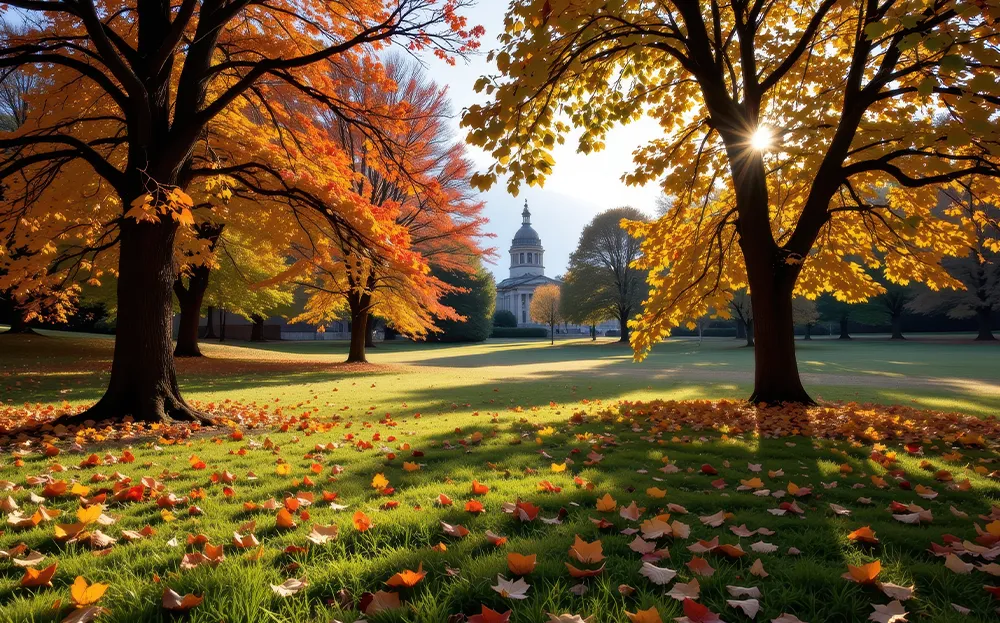
Fall rivals spring as the best time to visit Rome, offering excellent weather with fewer crowds than summer. September maintains warm temperatures averaging 26°C (79°F), effectively extending summer conditions but with noticeably fewer tourists after schools reopen. October brings perfect weather with temperatures between 16°C and 22°C (61°F to 72°F), ideal for comfortable all-day exploration.
November introduces cooler, wetter conditions but maintains mild temperatures rarely dropping below 10°C (50°F). The fall light creates beautiful photography conditions, casting golden hues across ancient monuments and Renaissance architecture. Wine harvest season brings special menus featuring seasonal ingredients like porcini mushrooms, chestnuts, and new wines to traditional trattorias throughout the city.
Fall Events and Advantages
The Rome Film Festival in October attracts international attention and celebrity sightings while offering public screenings. All Saints’ Day and All Souls’ Day on November 1st and 2nd bring special religious services and cemetery visits, providing insight into Roman traditions. Hotel prices drop significantly after mid-October, making fall an excellent value period for budget-conscious travelers.
Restaurant reservations become easier to secure compared to summer months, and popular attractions experience shorter wait times. The combination of pleasant weather, cultural events, and reduced tourist pressure makes September and October particularly attractive for visitors seeking an authentic Roman experience without extreme temperatures or overwhelming crowds.
Winter: Off-Season Opportunities (December to February)
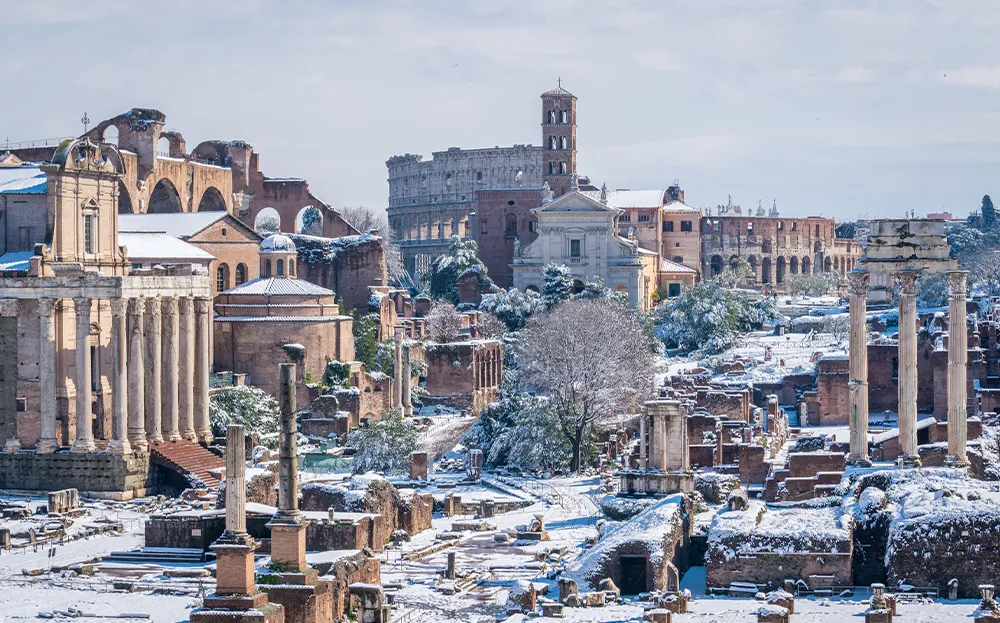
Winter represents the least popular but most affordable time to visit Rome. December temperatures average 12°C (54°F), while January and February can drop to 8°C (46°F) during daytime, with occasional colder spells. Rain occurs more frequently than in other seasons, particularly in December and January, but snow remains rare in the city center.
The Christmas season transforms Rome into a festive destination with elaborate nativity scenes (presepi) displayed in churches throughout the city, Christmas markets near Piazza Navona, and special holiday concerts. New Year’s Eve brings massive celebrations, though many restaurants close for private events. January and February offer the quietest tourist periods with significantly reduced crowds at major attractions and substantially lower hotel rates.
Winter Advantages and Considerations
Winter visits allow spontaneous access to popular sites without advance booking, as attractions rarely reach capacity. Museums and indoor cultural sites become primary focuses, making winter ideal for art enthusiasts. The Vatican Museums, Borghese Gallery, and Capitoline Museums offer climate-controlled environments perfect for escaping occasional rainy weather.
Pack warm layers including a waterproof jacket, as Roman buildings often lack central heating and stone structures retain cold. Many outdoor restaurant seating areas close, but indoor dining provides cozy atmospheres with hearty Roman winter dishes like coda alla vaccinara and pasta e ceci. The authentic local atmosphere intensifies during winter as tourists thin out and daily Roman life becomes more visible to visitors.
Month-by-Month Breakdown
January offers the lowest prices and smallest crowds but also the coldest, wettest weather. February sees similar conditions with gradually improving weather toward month’s end. March marks the transition to spring with increasing temperatures and tourist numbers, particularly around Easter if it falls in March.
April delivers excellent weather and manageable crowds early in the month, though Easter week brings significant increases. May presents ideal conditions with warm weather and blooming landscapes but increasing prices and visitors. June begins the summer rush with hot weather and peak tourist season starting.
July and August represent peak summer with maximum heat, crowds, and prices, though many locals leave the city. September maintains warm weather while crowds diminish after mid-month. October offers arguably the best overall conditions with pleasant weather, beautiful light, and moderate tourist numbers.
November introduces cooler, wetter conditions with significantly fewer tourists and lower prices. December brings festive holiday atmosphere with moderate crowds and prices increasing around Christmas and New Year’s Eve.
Special Events and Festivals Throughout the Year
Rome’s cultural calendar influences the best time to visit depending on your interests. Easter week brings spectacular religious ceremonies at the Vatican, with the Pope’s Easter Sunday blessing attracting massive crowds to St. Peter’s Square. The Natale di Roma celebration on April 21st features historical reenactments, gladiator demonstrations, and free museum entry.
May Day on May 1st hosts a free concert near the Basilica of San Giovanni in Laterano, drawing hundreds of thousands of attendees. The Estate Romana summer festival from June through September presents outdoor concerts, cinema screenings, and cultural events across various city locations. The Rome Film Festival in October showcases international cinema with celebrity appearances and public screenings.
The Christmas season from early December through January 6th (Epiphany) features elaborate decorations, nativity scenes, and holiday markets. Fashion week events in January and July attract international visitors interested in Italian style and design. Religious festivals throughout the year, particularly saints’ feast days, offer unique cultural experiences with processions and special church services.
Tips for Timing Your Visit
Book accommodations and major attraction tickets well in advance regardless of season, as Rome remains a year-round destination. Consider visiting during shoulder months (April, May, September, October) for the optimal balance of weather, crowds, and prices. If budget is your primary concern, January through March offers the best value, while those prioritizing weather should target April through June or September through October.
Avoid visiting during peak Italian holiday periods including Easter week, May 1st, August 15th (Ferragosto), and the Christmas-New Year period if you prefer fewer crowds and lower prices. These periods bring both international tourists and domestic Italian visitors, creating maximum congestion at popular sites. Many Romans vacation in August, leading to some restaurant and shop closures, though tourist-oriented businesses remain open.
Plan indoor and outdoor activities according to seasonal weather patterns. Summer visits benefit from early morning and evening sightseeing schedules, while winter visits should prioritize museums and indoor attractions with outdoor exploration during midday hours when temperatures peak. Using tools like a world time comparison tool helps coordinate travel plans and international communications when booking your trip.
Making the Most of Your Visit Regardless of Season
Every season in Rome offers distinct advantages, and understanding these helps maximize your experience. Purchase skip-the-line tickets for major attractions regardless of when you visit, as popular sites maintain queues year-round. The Roma Pass provides public transportation access and free or reduced entry to numerous museums and archaeological sites, offering good value during any season.
Dress appropriately for church visits throughout the year, covering shoulders and knees as required by religious sites including St. Peter’s Basilica and Vatican Museums. Comfortable walking shoes prove essential regardless of season, as Rome’s cobblestone streets and extensive archaeological sites demand significant walking. Staying hydrated using Rome’s public drinking fountains and taking regular breaks helps manage both summer heat and winter walking fatigue.
Learn basic Italian phrases to enhance interactions with locals, particularly during off-season months when fewer English speakers work in service industries. Early morning visits to major attractions provide the best experience regardless of season, offering cooler temperatures in summer, better light for photography, and fewer crowds year-round. Using an online stopwatch can help time your visits to stay on schedule while exploring the city’s numerous attractions.
Frequently Asked Questions
What is the cheapest month to visit Rome?
January and February represent the cheapest months to visit Rome, with hotel rates dropping 30-50% compared to peak season. These winter months also offer discounted flights and fewer crowds at major attractions. November also provides good value, particularly after mid-month when tourist numbers decline significantly but weather remains relatively mild.
When should I avoid visiting Rome?
Avoid visiting Rome during August if possible, as extreme heat combines with maximum crowds and some local business closures. The week before Easter also brings overwhelming crowds to Vatican City and major churches. Christmas week through New Year sees high prices and crowds, while many restaurants close for private celebrations on New Year’s Eve.
How many days do you need in Rome?
Plan for at least 3-4 days in Rome to see major highlights including the Colosseum, Vatican Museums, Roman Forum, and several key basilicas. Five to seven days allows more thorough exploration including day trips to nearby destinations like Tivoli or Ostia Antica. First-time visitors should allocate minimum four days to experience Rome’s essential attractions without feeling rushed.
Is Rome crowded in September?
Early September maintains summer crowd levels, but tourist numbers decrease noticeably after mid-September when European schools reopen. By late September, crowds become much more manageable while weather remains warm and pleasant. September offers an excellent balance of good weather and declining tourist pressure, making it one of the best months to visit Rome.
What is the rainiest month in Rome?
November typically receives the most rainfall in Rome, averaging 110-120mm of precipitation spread across 10-12 rainy days. December and October also experience significant rainfall. Summer months from June through August remain very dry, with July and August receiving minimal precipitation. Spring months see occasional showers, particularly in March and early April.
Can you visit Rome in winter?
Yes, winter visits to Rome offer distinct advantages including minimal crowds, significantly lower prices, and authentic local atmosphere. While temperatures range from 8-15°C (46-59°F) and rain occurs more frequently, the mild Mediterranean climate makes winter exploration comfortable with appropriate clothing. Indoor attractions like museums and churches provide excellent weather alternatives, and the Christmas season adds festive charm to the city.
Do I need to book tickets in advance for Rome attractions?
Yes, advance ticket booking is highly recommended for major attractions including the Colosseum, Vatican Museums, Borghese Gallery, and certain special exhibitions year-round. The Borghese Gallery requires advance reservations due to visitor limits, while skip-the-line tickets for the Colosseum and Vatican save hours of waiting, particularly during peak season from April through October.
What should I wear in Rome in different seasons?
Spring and fall require layers including light jackets for cooler mornings and evenings. Summer demands light, breathable clothing, sun protection, and comfortable walking shoes. Winter requires warm layers, a waterproof jacket, and potentially an umbrella for rain. All seasons require modest clothing covering shoulders and knees for church visits. Comfortable walking shoes are essential year-round for navigating cobblestone streets.