

The best time to visit Paris depends on your preferences for weather, crowds, and budget. Spring (April to June) and fall (September to November) offer the most pleasant conditions with mild temperatures, blooming gardens, and fewer tourists than summer. However, each season brings its own unique charm to the City of Light, from winter’s festive atmosphere to summer’s long daylight hours.
Understanding Paris’s Seasonal Weather Patterns
Paris experiences a temperate oceanic climate with four distinct seasons. Spring temperatures range from 8°C to 18°C (46°F to 64°F), making it ideal for walking tours and outdoor café visits. Summer sees temperatures between 15°C and 25°C (59°F to 77°F), occasionally reaching 30°C (86°F) during heat waves. Autumn brings cooler weather from 10°C to 18°C (50°F to 64°F), while winter averages 3°C to 8°C (37°F to 46°F).
Rainfall is fairly distributed throughout the year, with May being the wettest month averaging 65mm of precipitation. Light showers can occur any month, so packing an umbrella is always advisable regardless of when you visit.
Spring in Paris: The Peak Travel Season
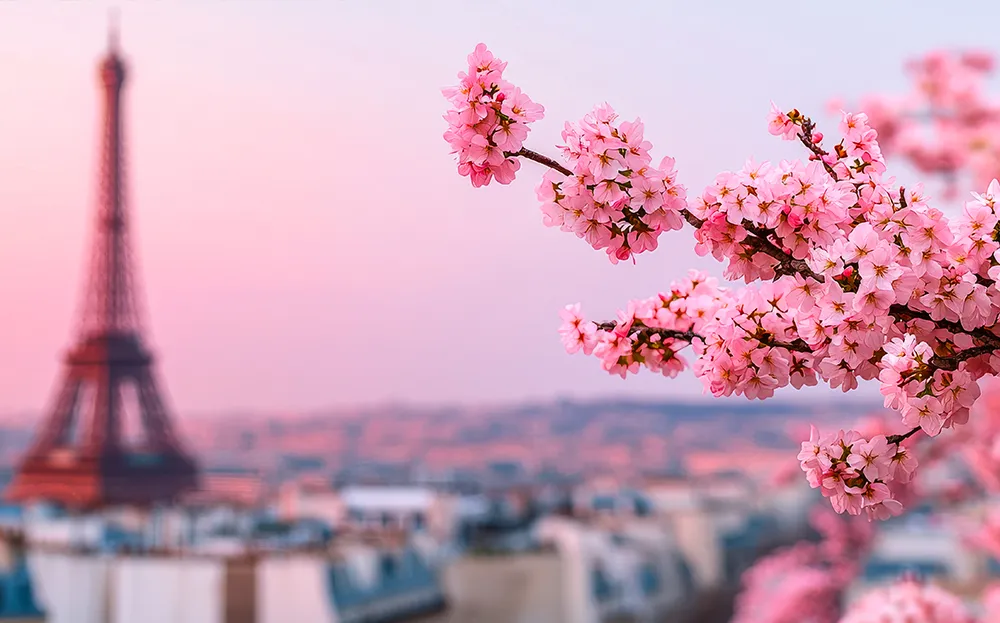
April through June represents the best time to visit Paris for many travelers. The city awakens from winter with cherry blossoms along the Seine, tulips in the Tuileries Garden, and wisteria adorning building facades. Average temperatures hover between 12°C and 20°C (54°F to 68°F), perfect for exploring neighborhoods on foot.
What to Expect in Spring
During spring, daylight extends significantly, with sunset occurring around 9:00 PM by late June. This extra daylight allows for extended sightseeing without rushing. Popular attractions like the Eiffel Tower and Louvre Museum experience moderate crowds compared to summer, though booking tickets in advance remains essential.
Easter holidays in April bring increased visitor numbers, particularly from European tourists. Hotel prices rise during this period but remain lower than summer peak rates. The Paris Marathon takes place in April, and the French Open tennis tournament occurs in late May to early June at Roland-Garros.
Summer: Long Days and Festival Atmosphere
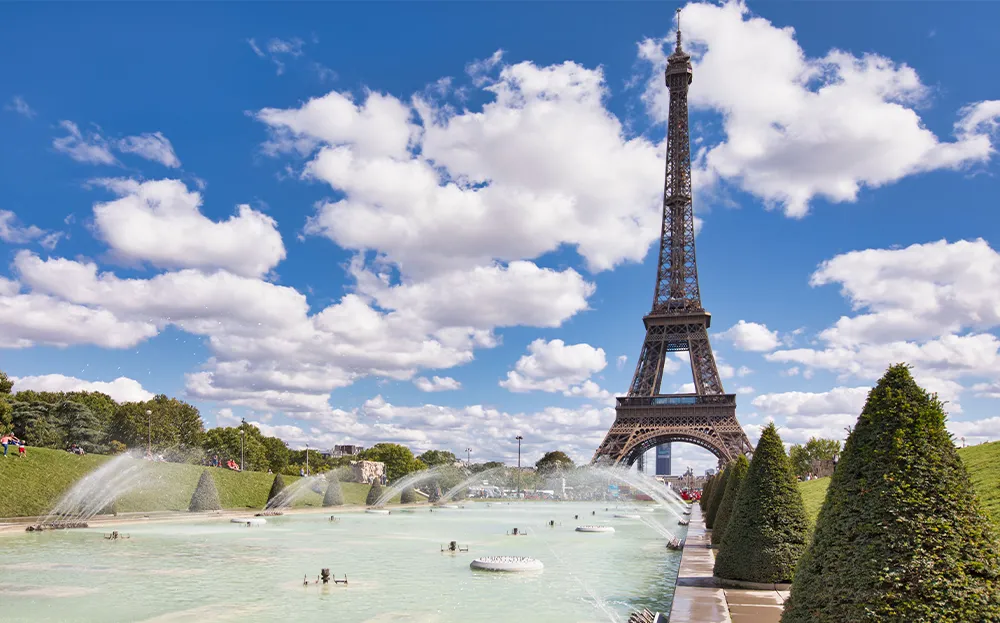
July and August constitute high tourist season in Paris. While this period offers warm weather and numerous outdoor events, it also brings the largest crowds and highest accommodation prices. Many Parisians leave the city for their annual vacations in August, leading to some restaurant and shop closures, though major tourist sites remain open.
Summer Highlights and Considerations
Bastille Day on July 14th features spectacular fireworks at the Eiffel Tower and military parades on the Champs-Élysées. Paris Plages transforms Seine riverbanks into temporary beaches with sand, palm trees, and activities from mid-July through August. Outdoor concerts and cinema screenings occur throughout the city.
Expect wait times exceeding two hours at popular attractions without advance tickets. Hotel rates peak during this season, and reservations at quality restaurants require booking weeks ahead. However, if you don’t mind crowds and can plan carefully, summer offers vibrant energy and excellent weather for outdoor activities.
Autumn: The Ideal Balance
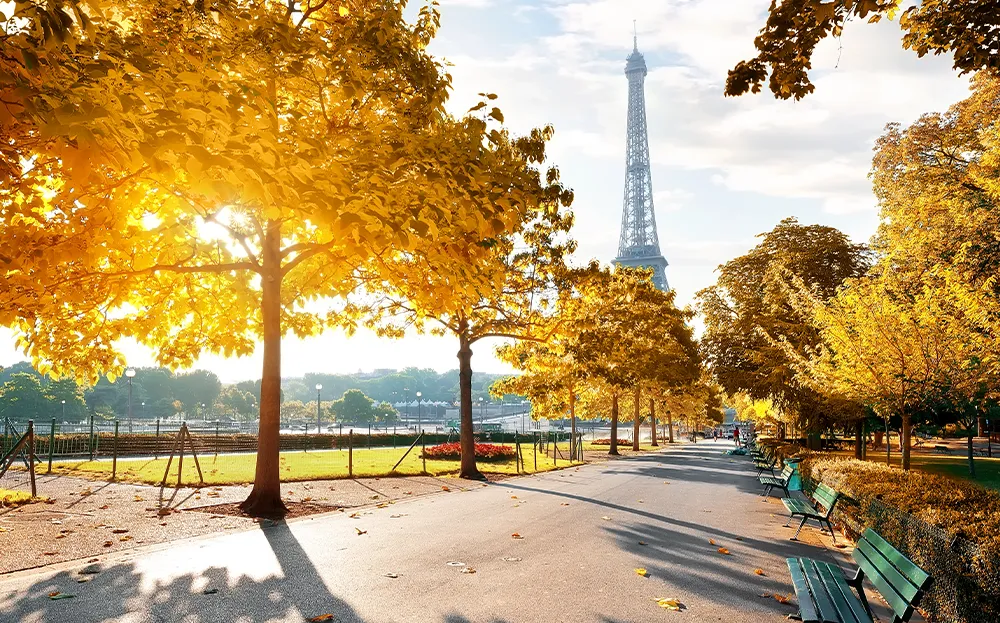
September through November often provides the best time to visit Paris for travelers seeking pleasant weather with manageable crowds. Early autumn maintains warm temperatures from summer while student groups haven’t yet arrived in full force. The city’s parks and gardens display stunning fall foliage, creating picturesque backdrops for photography.
Fall Activities and Events
Fashion Week occurs twice during autumn, in late September and early October, bringing international style to the city. The Nuit Blanche arts festival in early October keeps museums, galleries, and cultural sites open all night for free. Harvest season means excellent selections of seasonal produce at markets and special menu offerings at restaurants.
By November, temperatures drop and daylight shortens considerably, with sunset around 5:00 PM. However, this also means significantly reduced tourist crowds and lower hotel rates. If you’re planning your itinerary, using a world time comparison tool can help coordinate activities and reservations across different time zones.
Winter: Festive Charm and Budget-Friendly Travel
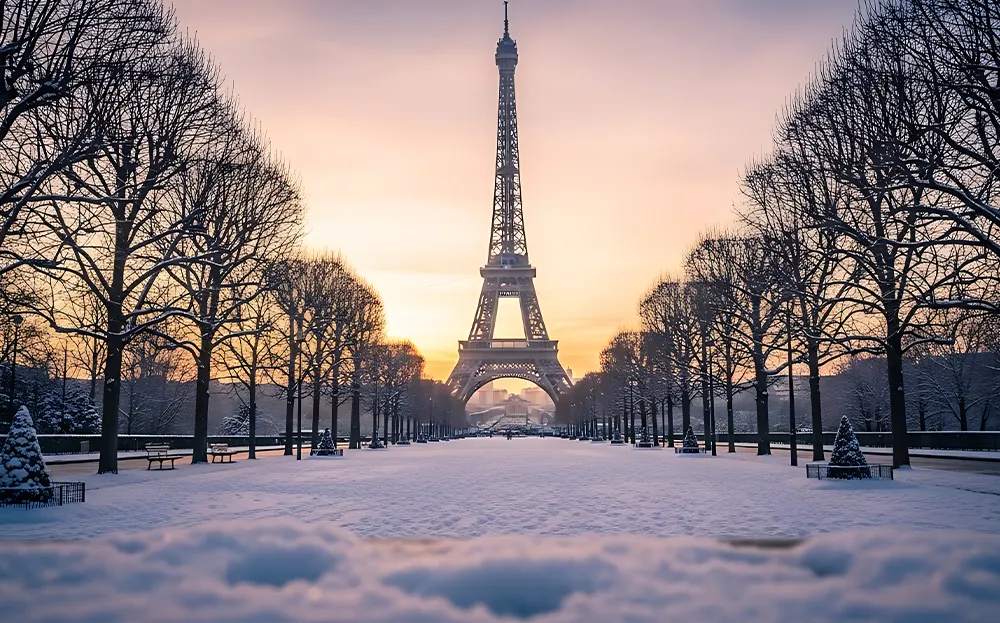
December through February represents the low season for Paris tourism. While weather can be cold and gray, the city transforms into a winter wonderland during the holiday season. Christmas markets, ice skating rinks, and elaborate window displays at department stores create magical experiences.
Winter Benefits for Savvy Travelers
January and February offer the lowest accommodation prices and shortest lines at major museums. The Louvre, Musée d’Orsay, and Versailles become much more enjoyable to explore without summer crowds. Many hotels offer special winter packages with reduced rates.
The Paris Winter Sales (Soldes d’Hiver) begin in January, providing excellent shopping opportunities with discounts up to 70% off. Cultural events continue year-round, with opera, ballet, and theater performances reaching peak season. Café culture thrives as cozy indoor spaces offer refuge from cold weather.
Month-by-Month Breakdown
January and February
These months offer the coldest weather and shortest days but also the best deals. Fashion Week occurs in late January, and the Chinese New Year celebration in the 13th arrondissement brings colorful parades and festivities.
March
Early spring brings unpredictable weather with temperatures gradually warming. Tourist numbers remain relatively low, and spring bulbs begin blooming in parks. Hotel prices start increasing toward the end of the month.
April and May
These months represent prime visiting conditions with blooming gardens, comfortable temperatures, and extended daylight. Easter crowds appear in April, while May features several public holidays when some businesses close but museums remain open.
June
Early summer brings the longest days of the year, with sunrise before 6:00 AM and sunset after 9:30 PM. The French Open tennis tournament attracts sports enthusiasts, and Fête de la Musique on June 21st fills streets with free concerts.
July and August
Peak summer season means maximum crowds and prices. Bastille Day celebrations and Paris Plages offer unique experiences, but expect fully booked hotels and restaurants. Many local shops close for annual vacations in August.
September and October
These months provide excellent weather with thinning crowds. The grape harvest begins, wine festivals occur, and autumn colors emerge in parks. Cultural events resume after summer break, and Fashion Week brings excitement to the city.
November
Beaujolais Nouveau Day on the third Thursday brings wine celebrations citywide. Colder, grayer weather sets in, but tourist numbers drop significantly. Christmas decorations begin appearing toward month’s end.
December
The festive season transforms Paris with Christmas markets, ice skating rinks, and spectacular light displays on the Champs-Élysées. New Year’s Eve celebrations at the Eiffel Tower draw crowds, but advance planning ensures memorable experiences.
Special Considerations for Planning Your Visit
Public Holidays and Closures
France observes numerous public holidays when banks and some shops close, though tourist attractions typically remain open. Major holidays include New Year’s Day, Easter Monday, May 1st (Labour Day), May 8th (Victory in Europe Day), Ascension Day, Whit Monday, July 14th (Bastille Day), August 15th (Assumption), November 1st (All Saints’ Day), November 11th (Armistice Day), and December 25th (Christmas).
School Holiday Periods
French school holidays significantly impact tourism levels. Winter break occurs in February (dates vary by region), spring break spans two weeks in April, summer vacation runs from early July through early September, and fall break happens in late October. During these periods, domestic tourism increases and popular sites become busier.
Cultural Events Calendar
Paris hosts numerous annual events that might influence your visit timing. The Paris Fashion Week occurs twice yearly in March and September/October. The French Open tennis tournament takes place from late May to early June. Paris Jazz Festival runs throughout summer at Parc Floral. The Autumn Festival (Festival d’Automne) presents contemporary performing arts from September through December.
Budget Considerations by Season
Accommodation costs vary significantly throughout the year. January through March (excluding Valentine’s Day weekend) offer the lowest hotel rates, often 40-50% below peak season prices. April through June see moderate pricing with gradual increases. July and August command premium rates, with prices highest during the last two weeks of July. September prices decrease slightly from summer peaks, while October and November offer excellent value. December rates vary based on specific dates, with Christmas and New Year’s commanding peak prices.
Flight prices follow similar patterns, with lowest fares typically found during winter months excluding holiday periods. Booking flights 2-3 months in advance generally provides better rates, though last-minute deals occasionally appear during shoulder seasons.
Practical Tips for Every Season
What to Pack
Spring requires layered clothing, a light waterproof jacket, and comfortable walking shoes. Summer calls for lightweight clothing, sunscreen, sunglasses, and a hat, plus a light sweater for air-conditioned museums. Autumn needs similar layers to spring with warmer options for November. Winter demands a warm coat, scarf, gloves, waterproof boots, and multiple layers.
Advance Bookings
Regardless of season, booking major attractions in advance saves considerable time. The Eiffel Tower, Louvre Museum, Versailles Palace, and Catacombs sell out days or weeks ahead during peak periods. Making restaurant reservations becomes essential for popular establishments, particularly for dinner service.
Time Management
Understanding daylight hours helps maximize your sightseeing. Summer’s extended daylight allows for activities until late evening, while winter’s early sunset requires earlier planning. Using an online stopwatch can help you time museum visits efficiently to avoid spending too long in any single location.
Alternative Timing Strategies
Shoulder Season Advantages
Late March, early April, late September, and early October represent the sweet spot between good weather and manageable crowds. Hotels offer better rates than peak season while maintaining quality service. Restaurants have greater availability, and attractions remain busy but not overwhelmingly crowded.
Off-Peak Opportunities
Visiting during January, February, or November provides authentic experiences with locals rather than tourist masses. Cultural institutions present their best exhibitions during these months, targeting local audiences. The café and restaurant scene operates at full capacity, unlike August when many establishments close.
Weekday vs. Weekend Visits
Weekdays generally offer better experiences at major attractions with smaller crowds than weekends. However, some museums close on specific weekdays (the Louvre closes Tuesdays, Musée d’Orsay closes Mondays), requiring careful planning. Business hotels in central districts offer better weekend rates as corporate travelers depart.
Frequently Asked Questions
What is the cheapest time to visit Paris?
January and February offer the lowest prices for flights and hotels, with rates typically 40-50% below peak season. November also provides good value, excluding the week of Thanksgiving when American tourists increase. Midweek travel (Tuesday through Thursday) costs less than weekends year-round.
When should I avoid visiting Paris?
Avoid the last two weeks of July and first two weeks of August if you dislike extreme crowds and high prices. Many Parisians vacation during August, leading to restaurant and shop closures, though major tourist sites remain open. Late December (Christmas week through New Year’s) also brings significant crowds and premium pricing.
Does Paris get very cold in winter?
Paris winters are cold but rarely extreme, with average temperatures between 3°C and 8°C (37°F to 46°F). Snow occurs occasionally but doesn’t typically accumulate significantly. The primary challenge is gray, overcast skies and rain rather than severe cold. Proper layering makes winter visits comfortable.
How many days should I spend in Paris?
A minimum of 4-5 days allows coverage of major attractions without rushing. First-time visitors benefit from 5-7 days to explore primary sites, enjoy leisurely meals, and experience neighborhood atmospheres. Return visitors or those interested in museums might prefer 7-10 days for deeper exploration.
Is Paris better in spring or fall?
Both seasons offer excellent conditions, with spring (April-May) featuring blooming gardens and longer daylight hours, while fall (September-October) provides stunning foliage and slightly fewer tourists. Spring weather can be more unpredictable with frequent rain showers, whereas early fall typically offers more stable conditions. The choice depends on personal preferences for spring’s renewal atmosphere versus autumn’s golden colors.
Do I need to speak French to visit Paris?
While not required, learning basic French phrases enhances your experience and receives appreciative responses from locals. Major tourist areas have English-speaking staff, but neighborhood restaurants and shops may have limited English. Making an effort to speak French, even poorly, demonstrates respect and often results in friendlier interactions.
Are museums crowded year-round in Paris?
Major museums like the Louvre and Musée d’Orsay experience heavy traffic year-round, though winter months (excluding December holidays) see reduced crowds. Wednesday and Friday evenings offer extended hours with smaller crowds. Purchasing timed-entry tickets in advance allows you to skip general admission lines regardless of season.
What about visiting Paris during Fashion Week?
Paris Fashion Week occurs twice yearly (late September/early October and late February/early March) and primarily affects the fashion industry rather than general tourism. Hotels in fashion-forward arrondissements like the 8th may see higher prices and lower availability, but most tourist areas remain unaffected. The city gains additional energy and street style during these periods.