

Outdoor vacation ideas with a toddler can transform family travel into memorable adventures filled with discovery and joy. Planning getaways with young children requires destinations that balance nature’s beauty with toddler-friendly amenities, ensuring everyone enjoys the experience. From beach resorts with calm waters to mountain cabins with easy trails, the right outdoor vacation creates lasting family memories while accommodating your little one’s needs.
Traveling outdoors with toddlers offers developmental benefits through sensory exploration, physical activity, and exposure to new environments. The key is selecting destinations that provide safe spaces for exploration, convenient facilities, and age-appropriate activities that won’t overwhelm young adventurers.
Why Choose Outdoor Vacations for Toddlers
Outdoor environments provide toddlers with invaluable opportunities for growth and learning. Natural settings stimulate curiosity, encourage physical development, and offer sensory experiences that indoor environments cannot replicate. Fresh air, open spaces, and natural elements like sand, water, and grass engage toddlers in ways that support their cognitive and motor skill development.
Research shows that children who spend time outdoors demonstrate improved attention spans, better sleep patterns, and enhanced immune systems. For families, outdoor vacations often reduce screen time naturally and create opportunities for bonding through shared discoveries and adventures.
1. Beach Resorts With Calm Waters

Beach destinations with gentle waves and shallow shores rank among the best outdoor vacation ideas with a toddler. Locations like Gulf Shores in Alabama, Sanibel Island in Florida, or Coronado Beach in California offer protected waters perfect for little ones to splash safely. Many beach resorts provide toddler-friendly amenities including shallow pools, beach toy rentals, and shaded play areas.
Look for accommodations with kitchenettes to prepare familiar meals and early dining options that align with toddler schedules. The combination of sand play, water exploration, and seashell hunting keeps toddlers engaged for hours while parents relax nearby.
What to Bring for Beach Vacations
Pack sun protection including SPF 50+ sunscreen, UV-protective clothing, and a beach tent for shade. Bring sand toys, water shoes to protect tiny feet, and a portable changing mat. Consider a beach wagon to transport gear easily, making transitions smoother with a toddler in tow.
2. National Park Lodges and Cabins
National parks offer spectacular outdoor experiences with lodges and cabins that provide comfortable bases for exploration. Yellowstone, Yosemite, and Great Smoky Mountains National Park feature toddler-accessible trails, wildlife viewing opportunities, and ranger-led programs designed for young families.
Cabin accommodations within or near parks allow families to maintain routine bedtimes while staying close to nature. Many parks offer short, paved trails suitable for strollers and easy hikes where toddlers can walk independently. The Junior Ranger program at most national parks includes activities appropriate for children as young as two years old.
Best National Parks for Toddlers
Acadia National Park features carriage roads perfect for stroller walks, while Shenandoah offers waterfall hikes under one mile. Zion National Park’s riverside walk provides flat terrain with stunning scenery, and Rocky Mountain National Park has accessible viewpoints requiring minimal hiking.
3. Lakeside Camping Resorts
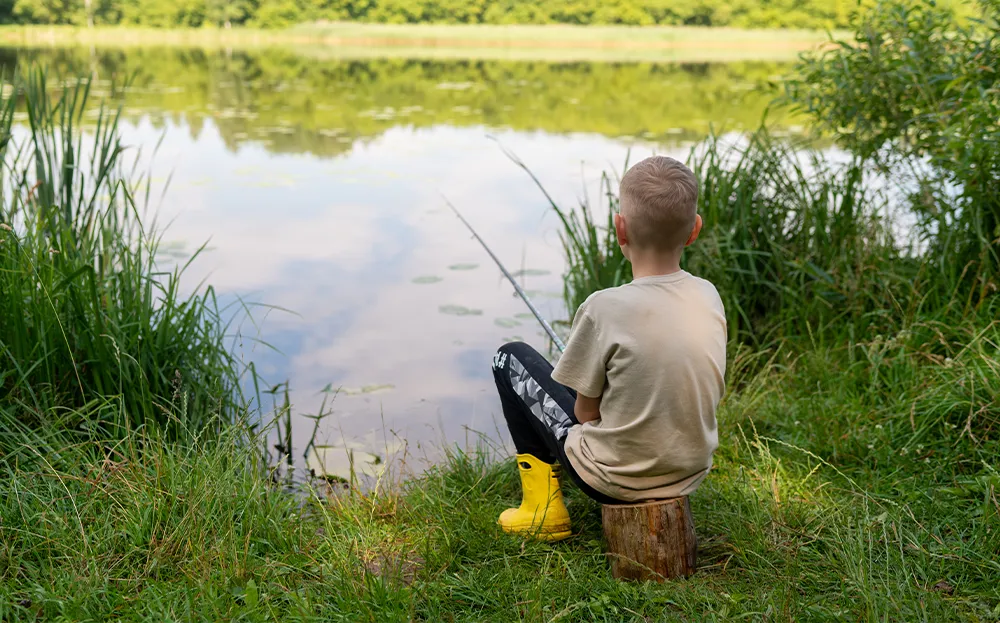
Lakeside camping combines outdoor adventure with toddler-appropriate water activities. Facilities at KOA campgrounds and state park camping resorts often include playgrounds, splash pads, and organized activities for young children. Lakes typically offer calmer conditions than oceans, making them ideal for introducing toddlers to water recreation.
Modern camping resorts provide amenities like heated bathhouses, laundry facilities, and even wifi, blending outdoor experiences with practical conveniences. Renting a cabin or glamping tent eliminates the complexity of traditional camping while maintaining the outdoor atmosphere.
4. Farm Stays and Agritourism Destinations
Farm vacations immerse toddlers in agricultural life through animal interactions, tractor rides, and harvest activities. Destinations across Vermont, Pennsylvania, and California offer working farm stays where families can feed chickens, collect eggs, and pet friendly barnyard animals.
These experiences teach toddlers about food sources and animal care while providing hands-on activities perfectly suited to their curiosity and energy levels. Many farm stays include comfortable accommodations, home-cooked meals featuring farm products, and flexible schedules accommodating nap times.
5. Mountain Resort Towns
Mountain destinations like Gatlinburg, Tennessee, or Estes Park, Colorado provide fresh air, scenic beauty, and family attractions in compact areas. These towns offer easy access to nature alongside toddler-friendly museums, gentle train rides, and wildlife sanctuaries.
Summer visits allow for wildflower viewing, stream play, and chairlift rides offering spectacular views without strenuous hiking. Accommodations range from rustic cabins to full-service resorts with childcare options, allowing parents flexibility in their vacation structure.
Mountain Activities for Toddlers
Nature centers provide interactive exhibits about local ecosystems, while gondola rides offer mountain experiences without physical exertion. Many mountain towns feature parks with playgrounds, splash pads, and picnic areas perfect for breaks between activities.
6. Botanical Gardens and Nature Preserves With Lodging

Some botanical gardens and nature preserves offer on-site lodging or are located near family-friendly accommodations. These destinations combine manicured outdoor spaces with wild natural areas, providing diverse environments for toddler exploration.
Gardens feature paved pathways ideal for strollers, themed areas that capture toddler imagination, and often include children’s gardens with interactive elements. Nature preserves offer boardwalk trails through wetlands, forests, and other ecosystems where toddlers can safely observe wildlife and plants.
7. Riverside Cabin Retreats
River cabins in locations like the Ozarks, Smoky Mountains, or Pacific Northwest offer peaceful settings with water access for toddlers. Gentle rivers allow for wading, rock skipping, and wildlife observation while providing the soothing sounds of flowing water.
Many riverside properties feature private outdoor spaces where toddlers can play safely while parents relax. Proximity to small towns provides access to supplies and dining options without sacrificing the tranquil outdoor atmosphere.
8. Wildlife Safari Parks
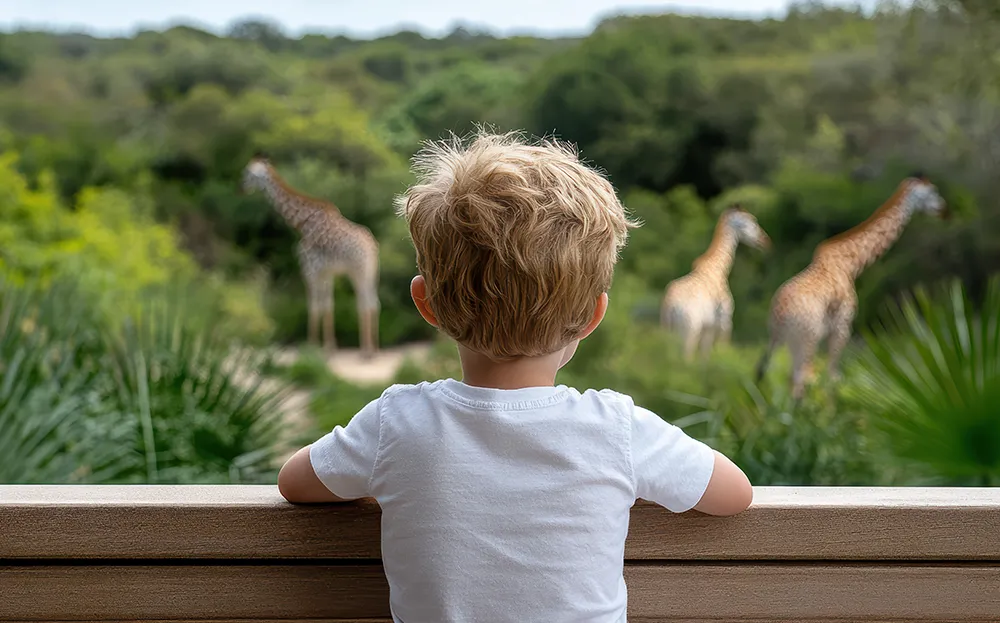
Drive-through safari parks and wildlife refuges create exciting outdoor experiences without requiring toddlers to sit still for extended periods. Locations like San Diego Zoo Safari Park, Natural Bridge Wildlife Ranch in Texas, or Fossil Rim Wildlife Center in Texas allow families to observe exotic animals from vehicle comfort.
These destinations combine education with entertainment, allowing toddlers to see giraffes, zebras, and other animals in spacious, naturalistic habitats. Many parks offer additional walking areas with domestic animals that toddlers can feed and touch under supervision.
9. Coastal Hiking Areas With Easy Trails
Coastal regions often feature flat or gently rolling trails with ocean views that toddlers can manage. Oregon’s coastal trails, California’s Point Lobos State Reserve, and Maine’s Acadia coastline offer stunning scenery with minimal elevation gain.
Ocean breezes keep temperatures comfortable, and the constantly changing tidal zones provide endless discovery opportunities. Many coastal trails include beaches where families can transition from hiking to sand play seamlessly.
Planning Coastal Hikes With Toddlers
Choose trails under one mile with clear turnaround points, allowing flexibility based on toddler energy and mood. Bring a hiking carrier for when little legs tire and time short walks using an online stopwatch to keep expectations realistic.
10. Outdoor Adventure Resorts With Kids Clubs

All-inclusive outdoor resorts in destinations like the Poconos, Catskills, or Adirondacks offer comprehensive family experiences with supervised children’s programs. These resorts provide outdoor activities including nature walks, water sports, and animal encounters while offering parents options for breaks through quality childcare services.
Properties like Mohonk Mountain House in New York or Tyler Place Family Resort in Vermont specialize in multigenerational vacations with programming for toddlers through teens. The structured activities combined with free time allow families to balance adventure with relaxation.
Essential Packing Tips for Outdoor Toddler Vacations
Successful outdoor vacations with toddlers require thoughtful packing. Beyond clothing appropriate for weather conditions, include a well-stocked first aid kit with items specific to outdoor injuries like insect sting relief, antibiotic ointment, and blister treatments.
Pack familiar comfort items including favorite blankets, stuffed animals, and bedtime books to maintain routines in new environments. Bring portable snacks, reusable water bottles, and wipes for quick cleanups. Consider a backpack-style carrier for trails and a lightweight stroller for paved areas.
Health and Safety Essentials
Include insect repellent safe for toddlers, sun hats with neck protection, and weatherproof outer layers. Bring copies of insurance cards and a list of allergies or medical conditions. Download offline maps of your destination and keep a reliable clock accessible to track medication times and maintain schedules.
Managing Toddler Schedules During Outdoor Vacations
Maintaining some semblance of routine helps toddlers adjust to new environments while remaining flexible enough to embrace vacation spontaneity. Plan major activities during your toddler’s most alert times, typically mid-morning after breakfast and before lunch.
Build in downtime matching typical nap schedules, even if that means returning to accommodations mid-day. Evening activities should wind down earlier than adult preferences might dictate, respecting that overtired toddlers struggle with new experiences and disrupted sleep patterns affect entire families.
Meal Planning for Outdoor Adventures
Access to familiar foods reduces stress during outdoor vacations with toddlers. Choose accommodations with kitchen facilities allowing you to prepare simple meals matching your child’s preferences and dietary needs. Stock basics like oatmeal, pasta, fruits, and favorite snacks before embarking on daily adventures.
Many outdoor destinations offer limited dining options, particularly those in remote natural areas. Planning meals ahead prevents hangry meltdowns and ensures adequate nutrition despite irregular schedules. Pack portable, non-perishable options for trail snacks and emergency meals.
Frequently Asked Questions
What is the best age to start taking outdoor vacations with toddlers?
Children can enjoy outdoor vacations as early as six months, though ages 18-36 months offer ideal developmental windows for nature exploration. At this stage, toddlers walk independently, communicate basic needs, and engage actively with their environment. Choose destinations matching your child’s specific abilities and temperament rather than focusing solely on age.
How do I keep my toddler safe during outdoor activities?
Constant supervision remains essential during outdoor toddler activities. Use properly fitted life jackets near water, apply regular sunscreen reapplication, maintain hydration, and dress children in bright colors for visibility. Establish clear boundaries about how far toddlers can wander, practice stranger danger concepts, and always carry identification with your contact information on your child.
What outdoor activities are appropriate for toddlers?
Toddlers enjoy nature walks on easy terrain, water play in shallow areas, animal observation, rock and shell collecting, and simple camping activities like marshmallow roasting with supervision. Activities requiring sustained attention or physical abilities beyond toddler capabilities create frustration, so choose options allowing for short attention spans and frequent breaks.
How can I manage nap times during outdoor vacations?
Bring portable sleep solutions like travel cribs, pack-and-plays, or familiar sleeping bags depending on your accommodation type. Schedule intensive activities for mornings, return to accommodations for midday naps, then pursue gentler afternoon activities. Some toddlers nap well in strollers or carriers during quiet activities, allowing flexibility without sacrificing rest.
What should I do if my toddler gets overwhelmed during outdoor activities?
Recognize signs of overstimulation including crankiness, clinginess, or excessive crying and immediately transition to calm, quiet environments. Bring familiar comfort items and consider returning to accommodations for reset time. Overscheduling outdoor vacations leads to exhausted, unhappy toddlers, so build buffer time between activities and remain willing to skip planned events when needed.
Are outdoor vacations with toddlers worth the effort?
Despite added planning and potential challenges, outdoor vacations create formative experiences that benefit toddler development and family bonding. The memories created, skills developed, and appreciation for nature established during these early adventures provide lasting value well beyond the vacation itself. Starting outdoor experiences young builds foundations for lifelong outdoor recreation and environmental stewardship.