

Finding the perfect holiday presents ideas can be challenging, especially when you want to give something meaningful and memorable. Whether you’re shopping for birthdays, anniversaries, seasonal celebrations, or just because, having a curated list of thoughtful gift options makes the process easier and more enjoyable. This comprehensive guide presents ten versatile gift ideas that work for virtually any occasion and recipient, helping you become a more confident and creative gift-giver.
Why Thoughtful Gift-Giving Matters
Gift-giving is more than just a social obligation—it’s an opportunity to strengthen relationships, show appreciation, and create lasting memories. Research consistently shows that thoughtful presents can significantly impact the recipient’s happiness and your relationship with them. The key is selecting gifts that reflect the recipient’s interests, needs, and personality rather than defaulting to generic options.
When you invest time in choosing meaningful holiday presents ideas, you demonstrate that you value the relationship and pay attention to what matters to the other person. This thoughtfulness often means more than the monetary value of the gift itself.
10 Best Holiday Presents Ideas for Any Occasion
1. Personalized Photo Albums or Digital Frames

In our digital age, printed photographs have become increasingly precious. A beautifully curated photo album filled with shared memories makes an incredibly personal gift that recipients will treasure for years. Alternatively, digital photo frames that cycle through uploaded images combine modern technology with sentimental value, perfect for family members who live far away.
These gifts work exceptionally well for anniversaries, Mother’s Day, Father’s Day, grandparents, or anyone who values preserving memories. You can organize photos chronologically, by theme, or create a narrative that tells a story about your relationship or shared experiences.
2. Experience-Based Gifts
Instead of physical items, consider giving experiences that create lasting memories. Concert tickets, cooking classes, spa days, adventure activities, or weekend getaways often provide more satisfaction than material possessions. Experience gifts also solve the problem of giving to people who already have everything they need.
The beauty of experience gifts lies in their flexibility—they can be tailored to any budget and any interest. From a local pottery workshop to an international travel voucher, experiences offer something tangible to look forward to and memories that last far longer than most physical gifts.
3. Subscription Services
Subscription boxes and services have revolutionized gift-giving by providing ongoing value long after the initial presentation. Options range from monthly book deliveries and gourmet food boxes to streaming services, wine clubs, and hobby-specific subscriptions. This gift keeps giving throughout the year, regularly reminding the recipient of your thoughtfulness.
Popular subscription categories include coffee and tea, meal kits, beauty products, magazines, audiobooks, and curated hobby supplies. Choose based on the recipient’s established interests or introduce them to something new they’ve expressed curiosity about.
4. Quality Kitchen Gadgets and Cookware
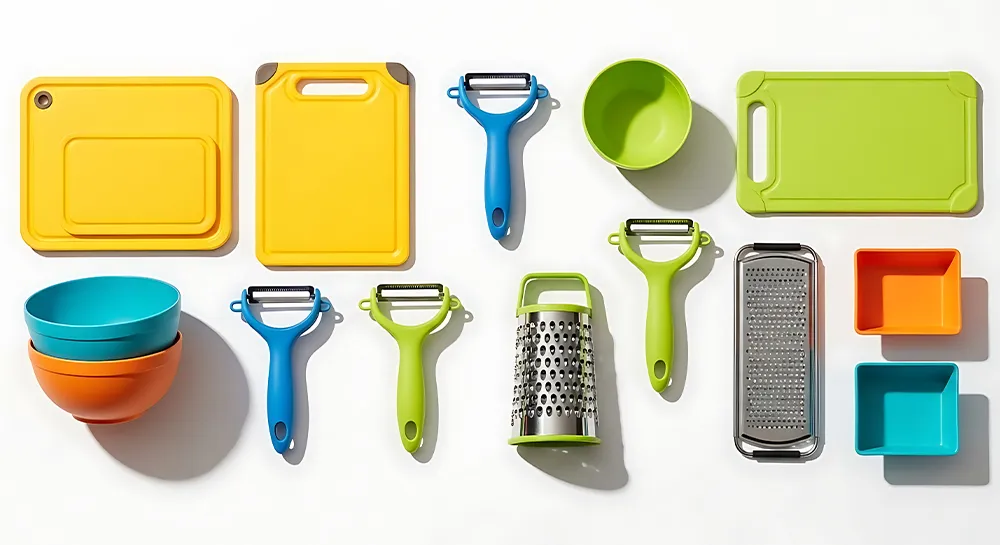
For anyone who enjoys cooking or wants to develop their culinary skills, high-quality kitchen tools make excellent gifts. Consider items like stand mixers, espresso machines, chef’s knives, cast iron cookware, or specialized appliances like air fryers or sous vide devices. These practical gifts get used regularly and can inspire creativity in the kitchen.
When selecting kitchen gifts, focus on quality over quantity. One exceptional tool that will last for decades provides more value than multiple lower-quality items. Research brands known for durability and performance, and consider the recipient’s cooking style and kitchen space.
5. Books and E-Readers
Books remain timeless gifts that can educate, entertain, and inspire. Whether you choose a bestselling novel, a beautiful coffee table book, a professional development resource, or a cookbook, books demonstrate that you understand the recipient’s interests. For avid readers, an e-reader loaded with their favorite titles or gift cards for digital bookstores provides endless reading possibilities.
Consider first editions, signed copies, or beautifully bound editions for collectors. For practical readers, latest releases in their favorite genres or highly-rated titles in areas they want to explore make thoughtful choices.
6. Wellness and Self-Care Products

In today’s fast-paced world, gifts that promote relaxation and self-care are increasingly appreciated. Consider luxurious bath products, aromatherapy diffusers, massage tools, yoga accessories, meditation apps subscriptions, or home spa kits. These gifts communicate that you care about the recipient’s wellbeing and want them to take time for themselves.
Wellness gifts work particularly well when they’re higher quality than what someone might purchase for themselves. Premium skincare, therapeutic-grade essential oils, or professional-quality massage devices feel indulgent and special.
7. Smart Home Devices
Technology gifts that simplify daily life have become increasingly popular and accessible. Smart speakers, programmable thermostats, security cameras, smart lighting systems, and robot vacuums combine practicality with modern convenience. These devices can help recipients save time, energy, and money while making their homes more comfortable and efficient.
When giving tech gifts, consider the recipient’s current setup and comfort level with technology. Ensure compatibility with their existing devices and, if possible, offer to help with initial setup. Including a digital clock display alongside smart home devices can complete a modern, connected living space.
8. Handmade or Artisan Goods

Handcrafted items carry a special significance because of the skill, time, and care invested in their creation. Consider artisan jewelry, hand-thrown pottery, custom woodwork, handwoven textiles, or locally-made specialty foods. These gifts support small businesses and craftspeople while providing the recipient with something unique and often one-of-a-kind.
Artisan goods often come with stories about their creation and the maker, adding another layer of meaning to the gift. Many online platforms now connect consumers directly with craftspeople, making it easier than ever to find authentic handmade items.
9. Learning and Development Resources
Gifts that support personal growth and skill development show that you believe in the recipient’s potential. Online course subscriptions, professional certification programs, language learning apps, musical instruments with lessons, or workshop enrollments can open new doors and provide lasting value. These gifts are particularly appreciated by people who value continuous learning and self-improvement.
Consider the recipient’s career goals, hobbies they’ve mentioned wanting to pursue, or skills that would enhance their current interests. The gift of education and growth often yields returns far beyond the initial investment.
10. Charitable Donations in Their Name

For people who truly have everything or who prioritize making a difference, donations to meaningful causes in their name create impact beyond the individual. Research charities that align with the recipient’s values—whether environmental conservation, education, health research, animal welfare, or social justice. Many organizations provide certificates or acknowledgment cards you can present as the gift.
This option works especially well for older family members, socially conscious friends, or anyone who has expressed concern about specific issues. It transforms gift-giving into an opportunity for positive change while honoring what matters most to the recipient.
How to Choose the Right Gift for Different Occasions
The occasion often influences the appropriate type and value of a gift. Understanding these contexts helps you make better decisions and avoid potential awkwardness.
Birthday Gifts
Birthdays provide the most flexibility in gift-giving. The relationship to the recipient and their age typically guide your choice. Close family and friends often warrant more personal or substantial gifts, while acquaintances appreciate thoughtful but modest presents. Milestone birthdays like 18th, 21st, 30th, 50th, or 100th often call for more significant or memorable gifts.
Anniversary Gifts
Wedding anniversaries traditionally follow specific themes by year—paper for the first, cotton for the second, and so on. While modern couples may not strictly adhere to these traditions, they can provide creative inspiration. Focus on gifts that celebrate the couple’s relationship and shared experiences. Using a time comparison tool can help you coordinate surprise celebrations across different time zones if family lives far apart.
Holiday Gifts
Major holidays like Christmas, Hanukkah, Eid, or Diwali often involve gift exchanges with multiple people. Setting budgets and establishing expectations within families and friend groups prevents awkwardness and financial strain. Consider drawing names for larger groups or establishing spending limits that work for everyone.
Graduation Gifts
Graduations mark significant transitions and achievements. Practical gifts that help with the next life stage—college, first job, or graduate school—are often appreciated. Consider professional attire, quality luggage, tech accessories for work or study, or contributions toward major purchases they’re saving for.
Thank You Gifts
When expressing gratitude for someone’s help, hospitality, or kindness, the gift should be thoughtful but not so extravagant that it creates discomfort. Gourmet foods, quality wines, books, or plants make appropriate thank-you gestures that show appreciation without appearing to “pay back” the kindness with monetary equivalence.
Gift-Giving Etiquette and Best Practices
Understanding basic gift-giving etiquette helps ensure your gesture is received as intended and strengthens rather than complicates relationships.
Respect Cultural and Religious Considerations
Be aware of cultural or religious factors that might affect gift appropriateness. Some cultures have specific colors associated with mourning or bad luck, certain religions have dietary restrictions affecting food gifts, and some traditions have specific gift-giving customs. When in doubt, research or politely ask someone familiar with the culture.
Consider Timing and Presentation
How and when you present a gift matters. Arriving at a dinner party, for instance, bring host gifts that don’t require immediate attention—wine can be saved for later rather than expecting it to be served that evening. Presentation shows care, so invest in quality wrapping or gift bags and include a thoughtful card with a personal message.
Handle Gift Receipts Appropriately
Including gift receipts (without prices) allows recipients to exchange items if needed without awkwardness. For clothing or items where size and preference vary significantly, this is particularly considerate. Never expect or ask about whether your gift was kept or returned—the choice belongs to the recipient.
Don’t Expect Immediate Gratitude Displays
While thank-you notes are polite and appreciated, recognize that people process gifts differently. Some express immediate enthusiasm while others are more reserved. Don’t take a measured response as lack of appreciation. The relationship and ongoing connection matter more than the moment of unwrapping.
Budget-Friendly Holiday Presents Ideas
Meaningful gifts don’t require large budgets. With creativity and thoughtfulness, you can give wonderful presents at any price point.
Homemade Gifts
Baked goods, homemade preserves, knitted items, or crafted decorations carry special value because of the time and effort invested. These gifts work particularly well for teachers, neighbors, or large groups where purchasing individual gifts would be cost-prohibitive.
Service Vouchers
Offer your skills or time as gifts—babysitting vouchers for busy parents, yard work for elderly neighbors, tech support for less tech-savvy friends, or home-cooked meals. These gifts cost little monetarily but provide significant value to recipients who need help in these areas.
Thoughtfully Curated Small Items
Create themed gift baskets by combining affordable items around a concept—movie night with popcorn and candy, relaxation with tea and bath salts, or hobby-specific supplies. The curation and personalization add value beyond the sum of individual items.
Sustainable and Eco-Friendly Gift Options
Environmental consciousness increasingly influences purchasing decisions, including gift-giving. Sustainable options reduce waste while often supporting ethical production practices.
Reusable and Practical Items
High-quality reusable water bottles, coffee cups, shopping bags, or food storage containers help recipients reduce single-use plastic consumption. Choose aesthetically pleasing designs that people will actually want to use rather than purely utilitarian options.
Secondhand and Vintage Finds
Vintage items, antique books, refurbished electronics, or gently used designer goods provide unique gifts while reducing demand for new production. These require more hunting but often result in more distinctive and interesting presents than new mass-produced items.
Experiences Over Objects
As mentioned earlier, experiences generally have lower environmental impact than physical goods and often provide more lasting satisfaction. Prioritizing experiences also aligns with minimalist lifestyles that many people are adopting.
Using Technology to Enhance Gift Planning
Modern tools can simplify the gift-giving process and help you stay organized across multiple occasions and recipients.
Digital Wish Lists and Registries
Many retailers now offer wish list features where people can save items they’re interested in. Checking these lists ensures you give something the recipient actually wants. For major events like weddings, registries prevent duplicate gifts and ensure couples receive needed items.
Calendar Reminders for Important Dates
Setting calendar reminders for birthdays, anniversaries, and other gift-giving occasions prevents last-minute scrambling. Schedule reminders two to three weeks in advance to allow adequate shopping and shipping time. An online timing tool can help you count down to important events and ensure you’re not caught unprepared.
Price Tracking and Deal Alerts
Browser extensions and apps can track prices on specific items and alert you when they go on sale. This helps you maximize your budget and potentially afford higher-quality items than you could at full price.
Frequently Asked Questions
How much should I spend on a gift?
Gift budgets vary based on your relationship with the recipient, the occasion, and your financial situation. For casual friends and acquaintances, spending between twenty to fifty dollars is typically appropriate. Close friends and family might warrant fifty to one hundred dollars or more, while milestone occasions could justify higher amounts. Never spend beyond your means—thoughtfulness matters more than cost, and most people would feel uncomfortable knowing you overstretched financially for their gift.
What should I do if I don’t know what someone wants?
When you’re uncertain about someone’s preferences, consider asking close friends or family members for suggestions, opting for versatile items like gift cards to favorite stores or restaurants, choosing consumable gifts like specialty foods or wines, or selecting experience gifts that create memories. You can also pay attention to hints the person drops in conversation about items they need or want.
Is it appropriate to give cash as a gift?
Cash gifts are completely appropriate in many situations, particularly for teenagers, young adults, weddings, and graduations. The key is presentation—place cash in a thoughtful card with a personal message rather than simply handing over bills. For some cultures and occasions, cash is actually preferred and expected. If you’re uncomfortable giving cash directly, gift cards to versatile retailers offer a middle ground.
How do I handle gift-giving in new relationships?
For new romantic relationships or friendships, err on the side of thoughtful but not overly extravagant gifts. Something small that references a shared interest, inside joke, or conversation you’ve had shows attentiveness without creating pressure. Avoid very expensive or overly romantic gifts until you’ve established where the relationship is heading. The goal is to show you care without making the other person uncomfortable.
Should I bring a gift when visiting someone’s home?
Bringing a host gift when invited to someone’s home for dinner or an event is polite and appreciated, though not always required for very casual gatherings among close friends. Appropriate host gifts include wine or beverages, flowers, gourmet foods, candles, or nice hand soaps. Keep the value moderate—usually between fifteen and thirty dollars—and avoid anything that requires immediate attention or specific care.
What are good last-minute gift ideas?
When you need a gift quickly, consider digital gift cards that can be emailed instantly, subscription services that provide immediate access codes, baked goods or treats from local bakeries, books from nearby bookstores, plants or flowers from garden centers, or gourmet food baskets from specialty shops. Many retailers also offer same-day delivery or in-store pickup for online orders, expanding your options even when time is short.
How can I make an inexpensive gift feel special?
Presentation and personalization elevate even modest gifts. Invest in quality wrapping materials, include a heartfelt handwritten note explaining why you chose this gift, create a themed presentation with multiple small related items, or add a personal touch like a favorite photo or inside joke reference. The effort you put into presentation often matters as much as the gift itself.
Should I keep the price tag on gifts?
Always remove price tags and stickers from gifts before presenting them. Leaving prices visible is considered poor etiquette and shifts focus from the thoughtfulness of the gift to its monetary value. The exception is including a gift receipt for items that might need to be exchanged, which should be placed inside a card or included separately from the wrapped gift.