

Clock with Roman number designs have adorned homes for centuries, bringing timeless elegance and classical sophistication to interior spaces. Whether you’re furnishing a traditional study or adding vintage charm to a modern living room, Roman numeral clocks offer versatility that transcends fleeting design trends.
Roman numerals have been used to mark time since ancient civilizations, and their enduring appeal lies in their ability to blend functionality with artistic expression. Today’s homeowners can choose from an extraordinary range of styles, from ornate grandfather clocks to minimalist wall designs, each offering unique character to complement any décor aesthetic.
Why Choose Roman Numeral Clocks for Your Home
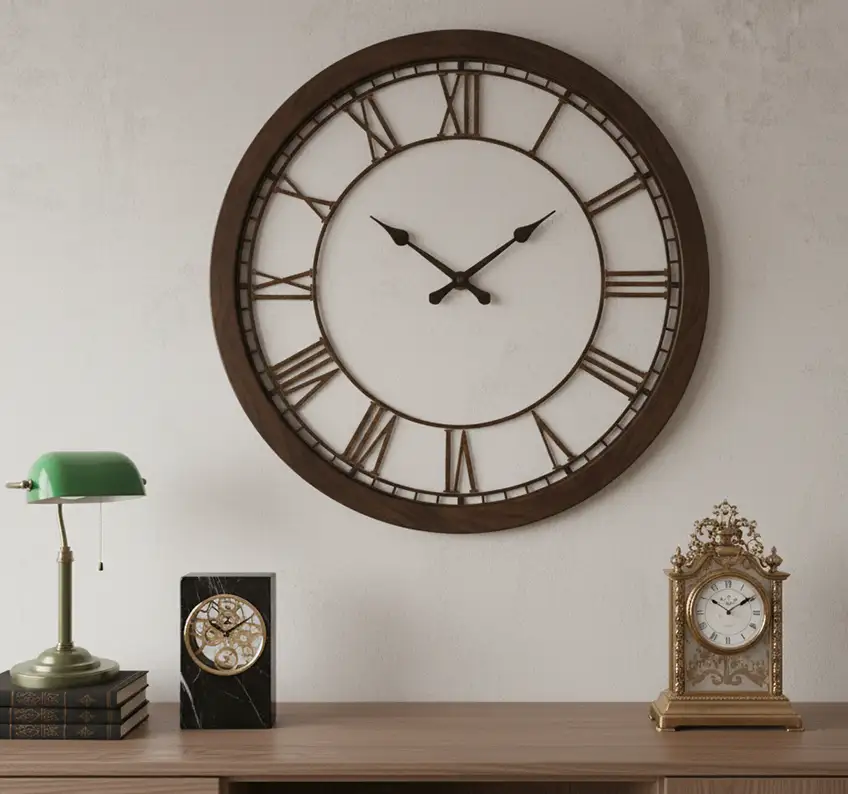
Roman numeral clocks provide more than just timekeeping functionality. They serve as statement pieces that elevate your interior design while maintaining practical utility. The distinctive appearance of Roman numerals adds visual interest that standard Arabic numerals simply cannot match.
These timepieces create an immediate sense of history and refinement in any room. The vertical and horizontal lines of Roman numerals (I, V, X, L, C, D, M) produce a balanced, symmetrical appearance that pleases the eye. This geometric quality makes them particularly effective in formal settings like dining rooms, libraries, and home offices.
Beyond aesthetics, Roman numeral clocks demonstrate attention to detail and appreciation for classical design principles. They signal to visitors that you value craftsmanship and tradition, while still maintaining relevance in contemporary spaces. Many homeowners find that these clocks serve as excellent conversation starters, bridging generational gaps through their universal recognition.
The psychological impact of Roman numerals shouldn’t be underestimated either. Studies in environmental psychology suggest that classical design elements can create feelings of stability and permanence in living spaces, contributing to overall well-being and comfort.
Popular Roman Numeral Clock Styles
Traditional Grandfather Clocks
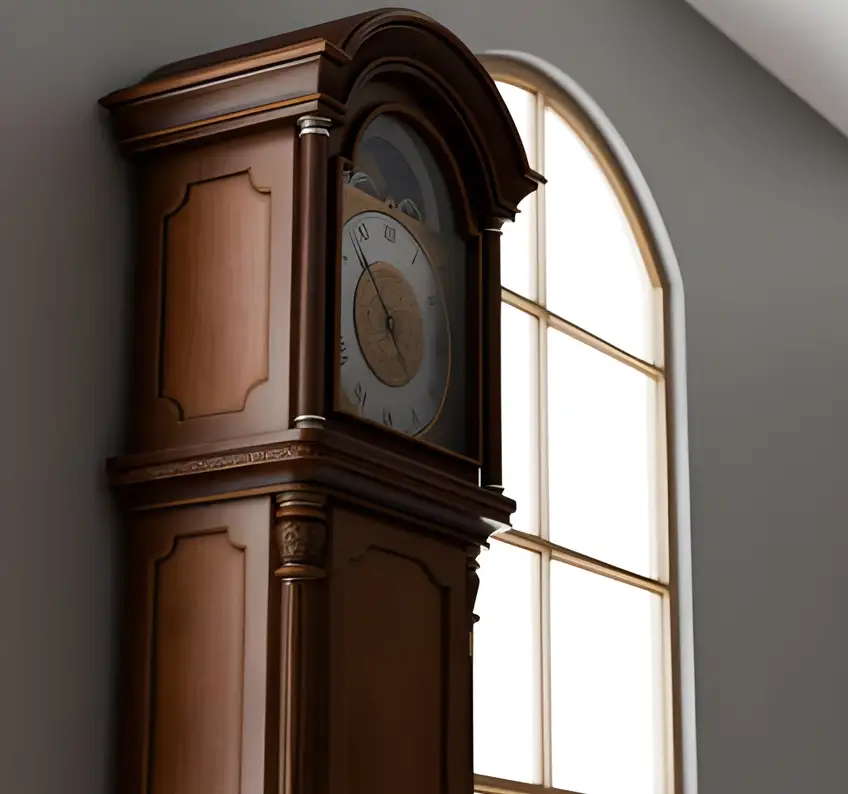
Grandfather clocks represent the pinnacle of Roman numeral clock design, combining mechanical precision with cabinet craftsmanship. These floor-standing timepieces typically feature weight-driven movements and produce melodious chimes that mark each hour.
Quality grandfather clocks are constructed from solid hardwoods such as cherry, mahogany, or oak, with hand-applied finishes that develop character over time. The clock face usually displays large, clearly legible Roman numerals in black or gold against a white or cream background. Many models include moon phase dials and decorative pendulums visible through glass panels.
These clocks work best in spaces with high ceilings and adequate floor space, such as foyers, formal living rooms, or hallways. Expect to invest between $1,500 and $15,000 for authentic pieces, with antiques commanding premium prices.
Oversized Wall Clocks
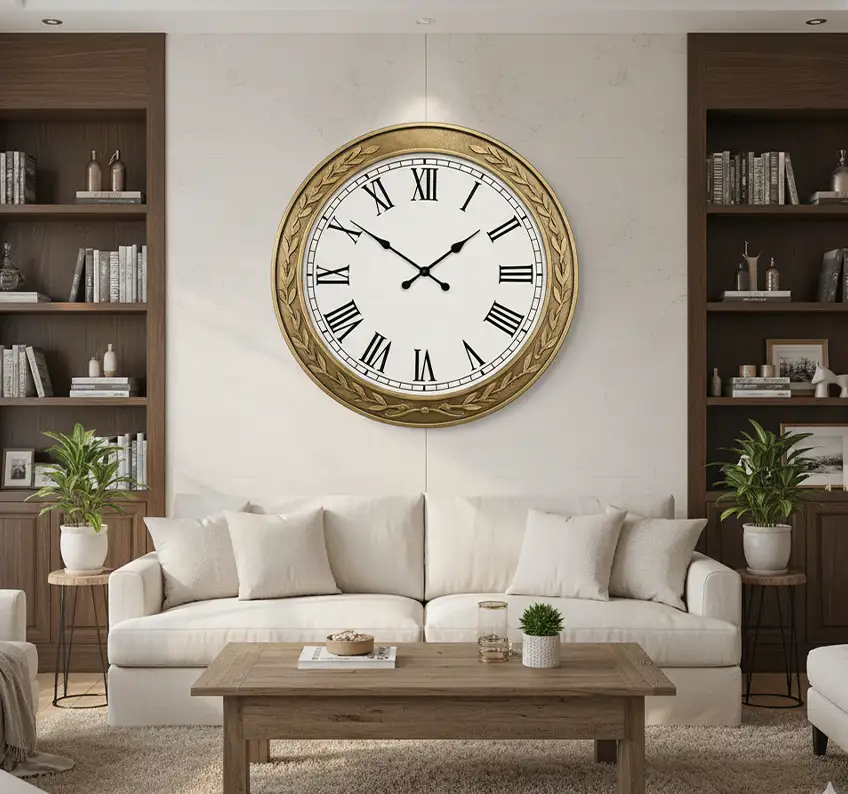
Oversized wall clocks with Roman numerals have become increasingly popular in open-concept homes and commercial spaces. These dramatic timepieces, often measuring 30 to 60 inches in diameter, serve as focal points that anchor entire rooms.
Materials range from distressed wood and wrought iron to sleek metals and acrylic. Industrial-style designs feature exposed gears and minimalist frames, while farmhouse versions incorporate weathered finishes and substantial frames. The oversized format ensures that Roman numerals remain clearly visible from across large rooms.
Installation requires careful planning to ensure proper wall support, as larger metal clocks can weigh 20 pounds or more. Position these clocks at eye level in living rooms, dining areas, or above fireplace mantels for maximum impact.
Mantel and Desk Clocks
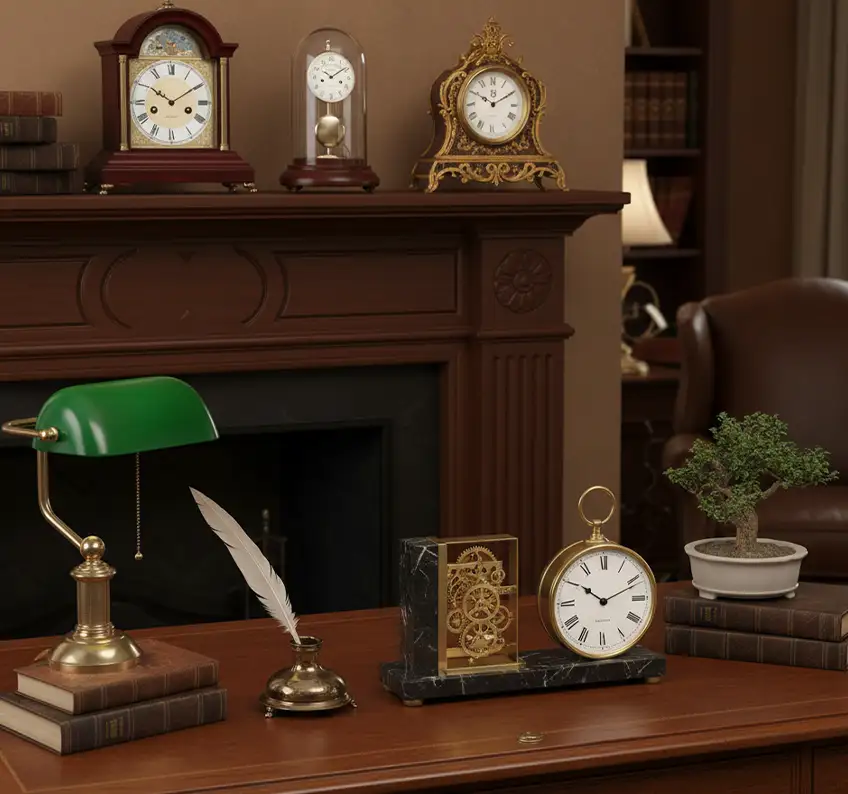
For smaller spaces or accent pieces, Roman numeral mantel and desk clocks offer elegance in compact formats. These clocks typically measure 6 to 12 inches in width and feature quartz movements for reliable, maintenance-free operation.
Traditional mantel clocks often showcase brass or bronze finishes with architectural details like columns, scrollwork, and beveled glass panels. Modern interpretations might use marble, crystal, or minimalist metal designs. Desk clocks serve dual purposes as functional timepieces and professional décor in home offices.
These smaller clocks work beautifully on bookshelves, fireplace mantels, bedside tables, and office desks. Prices range from $50 for basic models to several hundred dollars for designer pieces or antiques.
Skeleton Clocks
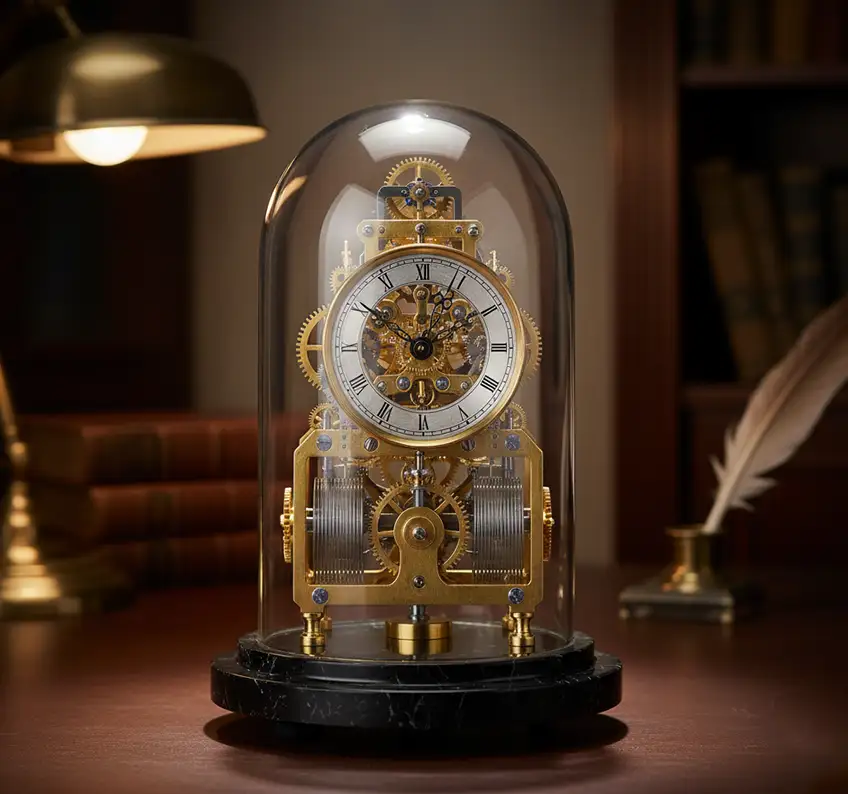
Skeleton clocks strip away the traditional case to reveal the intricate mechanical workings beneath transparent materials. Roman numerals appear on the outer ring while gears, springs, and escapements perform their precise dance in full view.
These fascinating timepieces appeal to engineering enthusiasts and those who appreciate the intersection of art and mechanics. Glass or acrylic covers protect the delicate components while maintaining visibility from all angles. Both wall-mounted and tabletop versions are available.
Skeleton clocks represent significant investments, with quality mechanical versions starting around $500 and extending into thousands for master craftsmanship. They work particularly well in modern or industrial interiors where mechanical aesthetics are celebrated.
Choosing the Right Clock for Different Rooms
Living Room Considerations
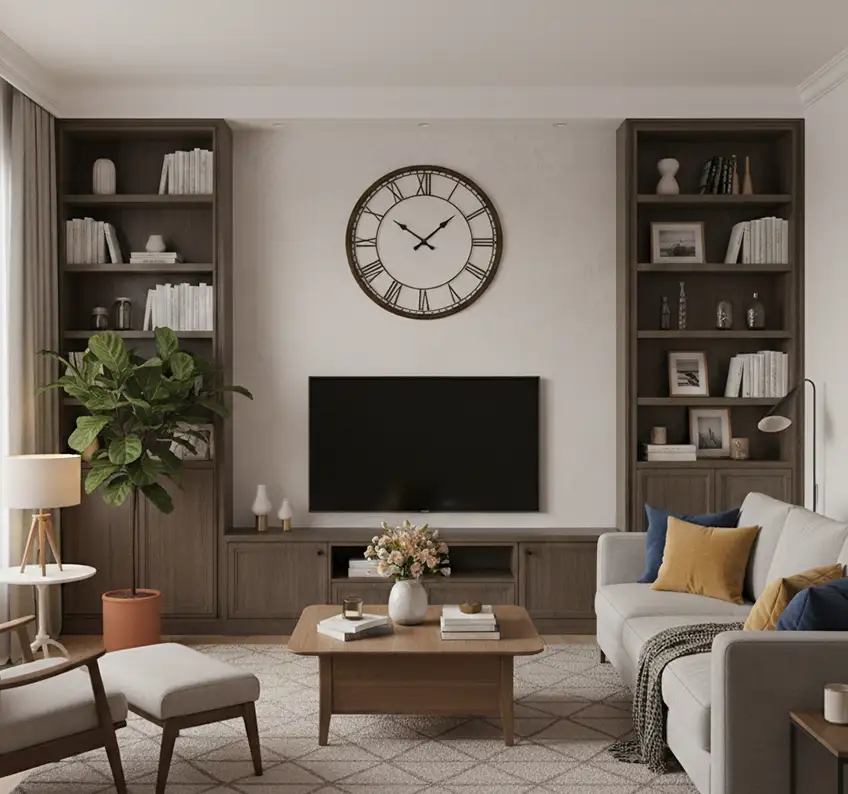
Living rooms benefit from clocks that complement existing furniture and serve as conversational anchors. Consider the room’s overall style: traditional spaces pair well with wooden grandfather clocks or ornate wall clocks, while contemporary rooms might feature minimalist metal designs with sparse Roman numerals.
Size matters significantly in living rooms. Measure your wall space and surrounding furniture before purchasing. A common design rule suggests that wall clocks should occupy roughly two-thirds to three-quarters of the available wall space to maintain proper proportion.
Placement should account for viewing angles from primary seating areas. Avoid positioning clocks where glare from windows or lighting fixtures might obscure the numerals. Many homeowners successfully incorporate Roman numeral clocks above sofas, console tables, or as centerpieces on feature walls.
Kitchen and Dining Area Clocks
Kitchens and dining rooms require practical timepieces that withstand heat, humidity, and food preparation activities. Roman numeral clocks in these spaces should be easily readable from multiple positions and resistant to environmental factors.
Metal or sealed wood clocks work best in kitchens, where moisture resistance is crucial. Choose styles that complement cabinet hardware and appliances. Farmhouse kitchens pair beautifully with distressed wood clocks, while modern kitchens might feature sleek stainless steel or black metal designs.
For dining rooms, consider the formality level. Formal dining spaces accommodate elegant mantel clocks on sideboards or sophisticated wall clocks positioned to be visible from the table. Casual dining areas can incorporate more playful or rustic interpretations of Roman numeral designs.
Bedroom Timepieces
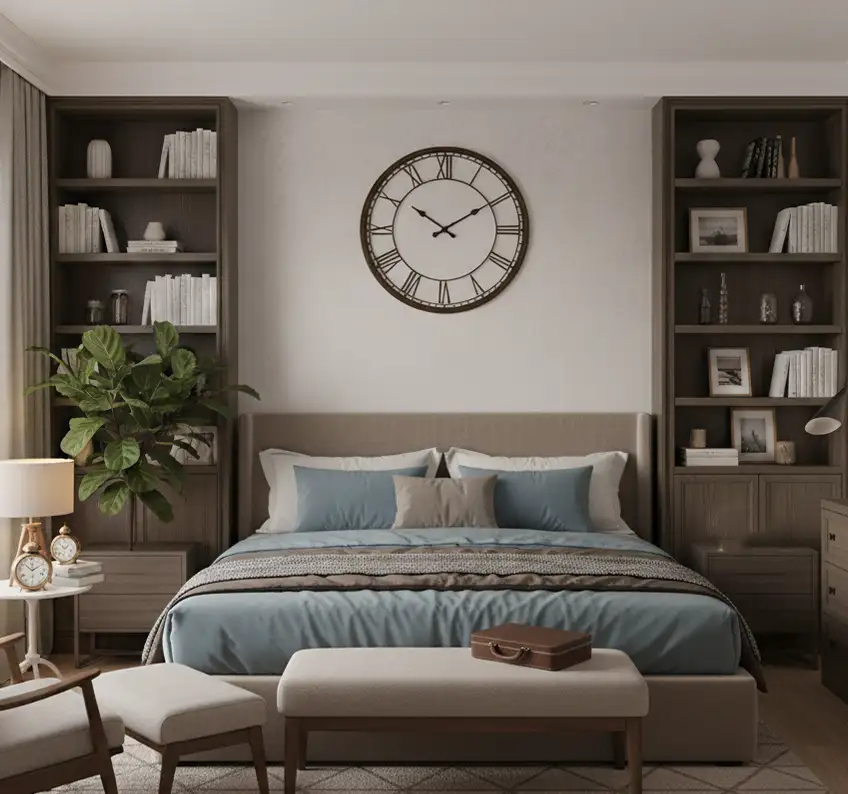
Bedrooms require special consideration regarding clock selection, as ticking sounds and visibility affect sleep quality. Silent quartz movements are essential for light sleepers, though some people find gentle ticking rhythms soothing.
Roman numeral clocks in bedrooms should match the room’s tranquility and personal style. Smaller mantel or desk clocks work well on nightstands or dressers, while moderate-sized wall clocks can serve as decorative focal points above beds or seating areas.
Consider illumination needs carefully. Some Roman numeral clocks feature luminous hands or numbers for nighttime visibility, though excessive light can disrupt sleep. Position clocks where they’re easily visible when needed but not directly in the line of sight from the bed.
Home Office Selection
Home offices benefit from Roman numeral clocks that project professionalism while supporting productivity. These spaces often accommodate video calls, making visible timepieces helpful for time management without constant device checking.
Desk clocks provide convenient time reference during work sessions, while wall clocks maintain time awareness without occupying valuable desk space. Choose finishes that coordinate with office furniture and equipment for a cohesive appearance.
For those who frequently reference time zones or need precise time tracking, timers can complement decorative Roman numeral clocks by providing additional functionality for task management and scheduling.
Materials and Finishes to Consider
Wood Clock Options
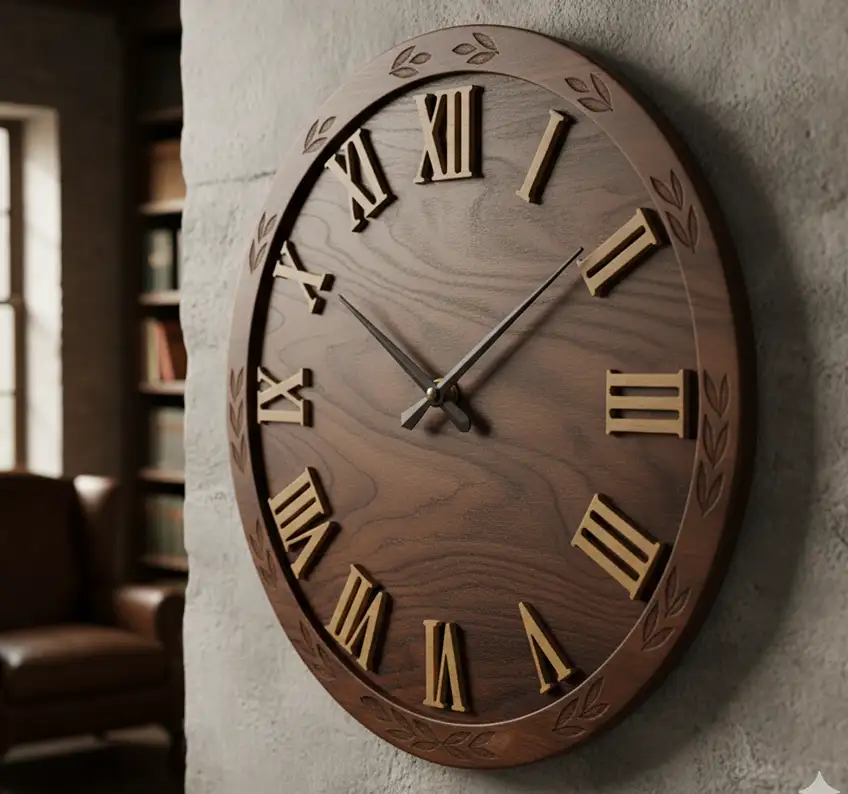
Wood remains the most traditional material for Roman numeral clocks, offering warmth and natural beauty. Different wood species create distinct appearances: oak provides durability and prominent grain patterns, cherry develops rich reddish tones over time, and walnut offers deep chocolate hues with sophisticated appeal.
Finishes range from natural oils that highlight wood grain to painted surfaces that create farmhouse or shabby chic aesthetics. Distressed finishes add vintage character, while high-gloss lacquers produce formal, polished appearances. Wood clocks require minimal maintenance but should be kept away from direct sunlight and extreme humidity.
Quality wood clocks feature properly dried lumber that resists warping and cracking. Look for dovetail joints, solid wood construction rather than veneers, and hand-applied finishes for heirloom-quality pieces.
Metal Clock Designs
Metal clocks offer durability and work particularly well in industrial, modern, and transitional interiors. Iron and steel provide substantial weight and architectural presence, often featuring powder-coated finishes in black, bronze, or metallic colors.
Brass and copper develop beautiful patinas over time, adding character and uniqueness to each piece. These metals work especially well in traditional and transitional settings, complementing warm wood tones and classic furnishings. Stainless steel and aluminum suit contemporary spaces with their clean lines and light-reflective properties.
Metal clocks generally require less maintenance than wood versions, though brass and copper may need occasional polishing to maintain brightness. Check that metal components are properly sealed to prevent rust in humid environments.
Mixed Material Combinations
Contemporary clock designs increasingly combine multiple materials for visual interest and textural contrast. Common combinations include wood frames with metal numerals, concrete bases with brass accents, or reclaimed wood with industrial metal elements.
These hybrid designs bridge style categories, making them versatile options for eclectic or transitional interiors. They allow you to incorporate Roman numeral elegance while maintaining connection to modern design sensibilities.
When selecting mixed-material clocks, ensure that component quality matches across all materials. A beautifully crafted wooden frame loses impact if paired with cheap plastic numerals or inferior hardware.
Clock Movements: Mechanical vs. Quartz
Understanding clock movements helps you select timepieces that match your maintenance preferences and aesthetic priorities. The two primary movement types offer distinct advantages and considerations.
Mechanical Movements
Mechanical movements represent traditional clockmaking at its finest, using springs, gears, and escapements to measure time. These movements require regular winding, typically daily or weekly, depending on the mechanism design.
The appeal of mechanical movements lies in their craftsmanship and the subtle ticking or chiming they produce. Many enthusiasts appreciate the ritual of winding clocks and maintaining these miniature engineering marvels. Mechanical movements also function without batteries, making them reliable during power outages.
However, mechanical clocks require periodic professional servicing to maintain accuracy and prevent wear. They’re generally more expensive than quartz alternatives and may gain or lose several minutes weekly, necessitating regular adjustment.
Quartz Movements
Quartz movements use electronic oscillators regulated by quartz crystals, powered by standard batteries. These mechanisms offer exceptional accuracy, typically varying less than a minute monthly, and require minimal maintenance beyond annual battery replacement.
Silent quartz movements operate without audible ticking, making them ideal for bedrooms and quiet spaces. Standard quartz movements produce subtle ticking sounds that some people find reassuring. The choice depends on personal preference and room function.
Quartz movements cost less than mechanical alternatives and fit into slimmer clock cases, expanding design possibilities. For most homeowners seeking reliable, low-maintenance timepieces, quartz movements provide excellent value and performance.
Installation and Placement Tips
Wall Clock Mounting
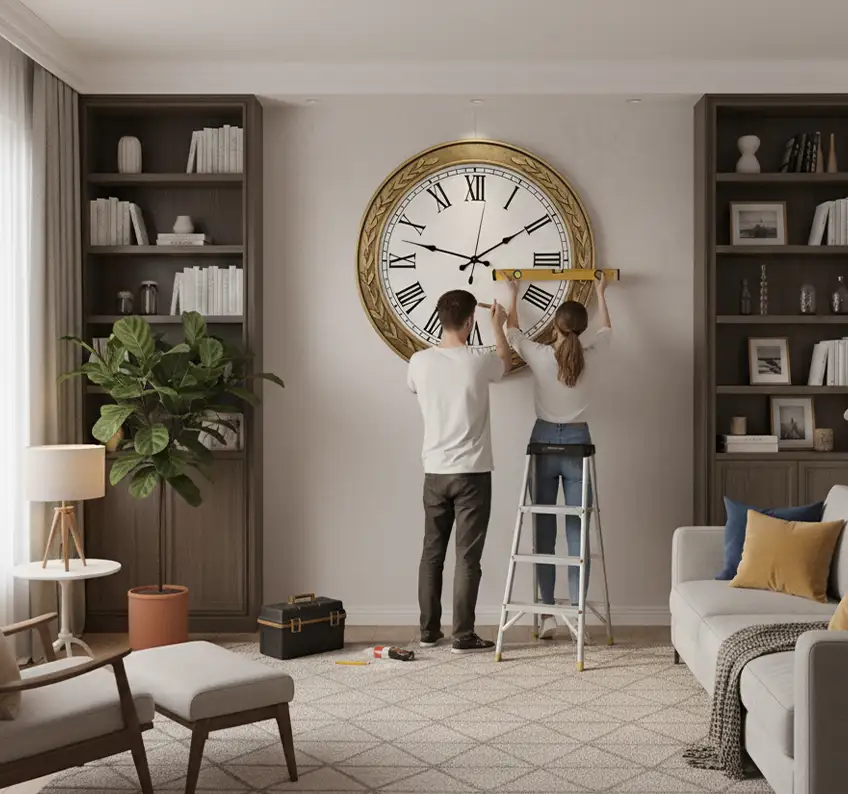
Proper wall clock installation ensures safety and longevity while achieving optimal visual impact. Begin by identifying wall studs using a stud finder, especially for heavy clocks exceeding five pounds. Use appropriate hardware rated for the clock’s weight, including heavy-duty picture hooks or wall anchors.
Mark the desired hanging position with light pencil marks before drilling. For large clocks, enlist help to hold the piece in position while marking. Consider sight lines from various room positions to ensure the clock remains visible and unobstructed.
Avoid hanging clocks above heat sources like radiators or fireplaces, as temperature fluctuations affect mechanical movements and can warp wooden cases. Similarly, keep clocks away from direct sunlight, which fades finishes and damages delicate components over time.
Creating Visual Balance
Roman numeral clocks work best when integrated into broader decorative schemes rather than floating in isolation. Surround smaller clocks with complementary artwork, photographs, or decorative objects to create gallery wall arrangements that feel intentional and cohesive.
For oversized clocks serving as statement pieces, maintain adequate negative space around them to prevent visual crowding. A general guideline suggests leaving at least six inches of clear wall space around large clocks to allow them proper visual breathing room.
Consider symmetry and proportion when positioning clocks relative to furniture. Center wall clocks above sofas or console tables, ensuring the clock’s center point aligns with the furniture’s midpoint. This creates visual harmony that feels resolved and professional.
Height Recommendations
Standard guidelines suggest hanging wall clocks at eye level, approximately 57 to 60 inches from the floor to the clock’s center point. This height ensures comfortable viewing without neck strain and aligns with typical picture hanging conventions.
Adjust heights based on room function and viewing positions. In dining rooms where people primarily view clocks while seated, lower the height slightly. In entryways or hallways where people typically stand, standard height works well.
For clocks positioned above furniture pieces, maintain 6 to 12 inches between the furniture top and the clock’s bottom edge. This spacing prevents the clock from appearing disconnected while ensuring adequate clearance for functional use of the furniture surface.
Maintaining Your Roman Numeral Clock
Regular maintenance preserves clock appearance and function while protecting your investment. Maintenance requirements vary by clock type, but several universal practices apply to all timepieces.
Cleaning and Dusting
Dust accumulation affects both aesthetics and mechanism performance. Use soft, lint-free cloths to gently wipe clock surfaces weekly, paying special attention to numerals and decorative details where dust collects. Microfiber cloths work excellently for this purpose without scratching delicate finishes.
For wooden clocks, use furniture polish sparingly and follow manufacturer recommendations. Some finishes benefit from occasional oil treatments, while others require only dry dusting. Avoid harsh chemicals or abrasive cleaners that damage finishes or corrode metal components.
Glass clock faces can be cleaned with standard glass cleaner applied to the cloth rather than directly to the glass, preventing moisture from seeping into the mechanism. For metal clocks, specific metal polishes maintain luster and prevent tarnish on brass or copper elements.
Movement Maintenance
Quartz movements require minimal attention beyond annual battery replacement. Use quality batteries and replace them promptly when the clock stops or seconds hand begins jumping irregularly. Remove old batteries immediately to prevent corrosion damage.
Mechanical movements demand more involved maintenance, including regular winding according to manufacturer specifications. Never force winding mechanisms, as excessive pressure damages delicate internal components. Professional servicing every three to five years ensures continued accuracy and prevents premature wear.
Keep mechanical clocks level to maintain proper pendulum swing and escapement function. Use a spirit level to check positioning periodically, as settling foundations or wall anchors can gradually shift alignment.
Budgeting for Quality Roman Numeral Clocks
Roman numeral clocks span enormous price ranges, from affordable mass-produced pieces to investment-grade antiques and artisan creations. Understanding price factors helps you make informed decisions that balance quality, aesthetics, and budget.
Entry-Level Options
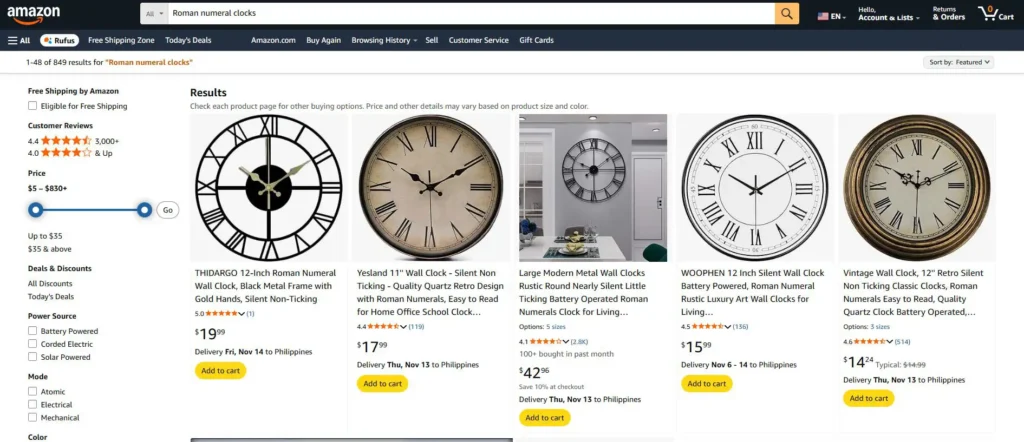
Quality Roman numeral clocks begin around $30 to $100 for small desk or wall clocks with quartz movements. These pieces often feature printed numerals, basic frames, and standard movements but can still provide years of reliable service and attractive appearance.
Mid-range options from $100 to $500 offer improved materials, better construction, and more sophisticated designs. Look for solid wood frames rather than particle board, metal numerals rather than printed versions, and quality quartz movements from reputable manufacturers.
Premium Selections
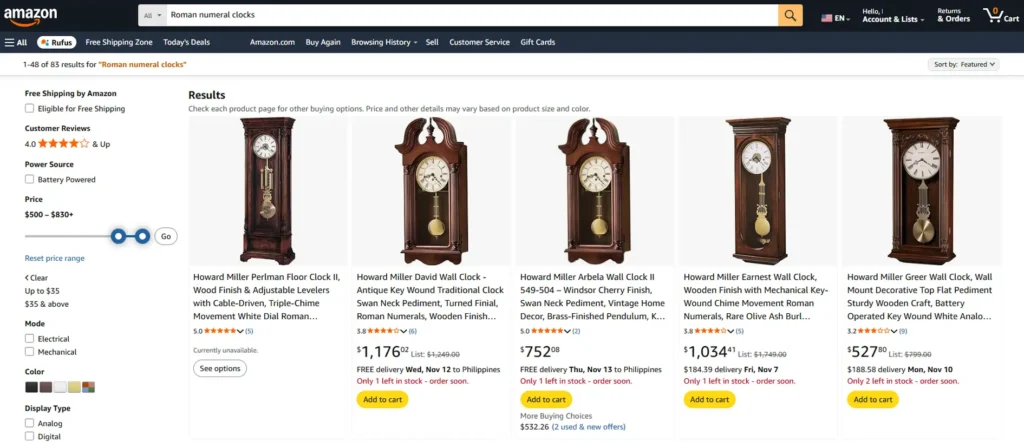
Premium clocks from $500 to $2,000 feature superior craftsmanship, distinctive designs, and high-quality materials. These pieces often come from recognized brands with warranties and customer support. Expect hand-finished details, precision movements, and materials that develop character over time.
Luxury and antique clocks exceeding $2,000 represent significant investments but offer unparalleled quality and potential appreciation value. Antique grandfather clocks, master craftsman creations, and limited-edition pieces fall into this category. Consider these purchases as functional art that enhances your home while potentially increasing in value.
Where to Purchase Roman Numeral Clocks
Online Retailers
Online shopping provides access to vast clock selections with convenient comparison shopping and competitive pricing. Major retailers offer extensive Roman numeral clock inventories with customer reviews, detailed specifications, and often free returns if pieces don’t meet expectations.
Specialty clock websites provide expert curation, detailed product information, and knowledgeable customer service. These sources often carry higher-end pieces and can answer technical questions about movements and maintenance. However, inability to see pieces in person before purchasing remains a limitation.
When buying online, carefully review dimensions, materials, and return policies. Read customer reviews focusing on actual received quality rather than just product descriptions. Check seller reputations and shipping methods to ensure safe delivery of potentially fragile timepieces.
Local Clock Shops and Antique Stores
Local clock shops offer personalized service, expert advice, and the ability to examine pieces before purchasing. Knowledgeable staff can explain mechanical movements, demonstrate features, and provide ongoing service and support. Building relationships with local clockmakers ensures access to repair and maintenance services.
Antique stores and estate sales present opportunities to acquire vintage Roman numeral clocks with character and history. These pieces often feature superior construction compared to modern mass-produced alternatives. However, antique purchases require careful inspection for damage, missing parts, or needed restoration work.
Inspect antique clocks thoroughly before purchasing. Check for cracks, warping, missing numerals, and movement functionality. Request information about recent servicing and potential repair needs. Factor restoration costs into your budget, as bringing antique clocks to excellent working condition can significantly increase total investment.
Integrating Clocks Into Modern Smart Homes
While Roman numeral clocks celebrate traditional design, they can coexist beautifully with modern technology. Many homeowners successfully blend classical timepieces with smart home systems, maintaining aesthetic preferences while enjoying contemporary conveniences.
Roman numeral clocks serve as tactile, always-visible time references that don’t require device interaction. This quality reduces screen time and provides instant time awareness without digital interruptions. In spaces dominated by technology, these clocks offer visual respite and connection to analog traditions.
For comprehensive time management, combine decorative Roman numeral clocks with digital resources. Services like CheckDateTime provide accurate time information across global time zones, complementing your home’s physical timepieces when coordinating international communications or travel planning.
Consider positioning Roman numeral clocks in areas where you want to minimize technology presence, such as bedrooms, dining rooms, or reading nooks. This creates intentional spaces focused on human connection and relaxation rather than constant digital engagement.
Trends in Roman Numeral Clock Design
Contemporary clock design continues evolving while honoring Roman numeral traditions. Current trends reflect broader interior design movements toward personalization, sustainability, and blending historical elements with modern aesthetics.
Minimalist Interpretations
Minimalist Roman numeral clocks strip away decorative excess, focusing on clean lines and essential elements. These designs feature simple frames, open faces showing wall surfaces between numerals, and slender hands that don’t compete for attention. The result is understated elegance that works in modern and transitional spaces.
Frameless designs with numerals applied directly to walls create dramatic, space-expanding effects. These installations require more complex mounting but produce striking visual impact, particularly in open-concept living areas or commercial spaces.
Industrial Aesthetics
Industrial-style Roman numeral clocks embrace raw materials, exposed mechanics, and architectural elements. Expect to see weathered metal finishes, visible rivets and bolts, gear-inspired designs, and materials like concrete and reclaimed wood. These pieces complement loft spaces, urban interiors, and modern farmhouse styles.
The industrial trend often incorporates oversized proportions and three-dimensional elements that add shadow and depth. These clocks function as sculptural focal points rather than mere timekeeping devices.
Sustainable Materials
Environmentally conscious consumers increasingly seek clocks crafted from reclaimed, recycled, or sustainably sourced materials. Reclaimed wood from old barns or factories provides authentic patina and environmental benefits. Recycled metals reduce resource consumption while offering unique finishes and textures.
Some manufacturers now offer clocks made from bamboo, cork, and other rapidly renewable materials. These options appeal to buyers prioritizing ecological responsibility without compromising design quality or aesthetic appeal.
Frequently Asked Questions
What does each Roman numeral on a clock represent?
Roman numerals on clocks follow the standard Roman numbering system where I represents 1, V represents 5, and X represents 10. Clock faces typically display I through XII (1 through 12) to mark the hours. The numerals combine using additive and subtractive principles, so IV represents 4 (5 minus 1) and IX represents 9 (10 minus 1), though some traditional clock faces show IIII instead of IV for aesthetic symmetry.
Why do some clocks show IIII instead of IV for the number 4?
Many traditional Roman numeral clocks display IIII rather than the standard IV for the number 4. Several theories explain this convention: visual balance and symmetry across the clock face, historical clockmaking traditions dating to medieval times, easier manufacturing processes for clockmakers, and avoiding confusion with VI when viewed at angles. This variation is considered acceptable within clockmaking traditions and doesn’t indicate error or inferior craftsmanship.
How do I set the time on a Roman numeral clock?
Setting time depends on the movement type. For quartz wall clocks, locate the small dial or knob on the clock’s back and turn it clockwise until the hands reach the correct time. For mechanical clocks, turn the minute hand clockwise, pausing briefly when passing each hour to allow chimes to complete. Never move the hour hand independently or turn hands counterclockwise on mechanical movements, as this can damage delicate internal mechanisms. For specific guidance, consult your clock’s manual or visit informative guides for detailed timekeeping resources.
Are Roman numeral clocks harder to read than regular clocks?
Most people find Roman numeral clocks easy to read after brief familiarization. The distinctive shapes of Roman numerals actually aid quick recognition at glance distance. Children and those unfamiliar with Roman numerals may need short adjustment periods, but the symmetrical clock layout and limited number range (I-XII) simplify learning. Many people report that Roman numeral clocks become equally or more intuitive than Arabic numerals with regular exposure.
How often should I service a mechanical Roman numeral clock?
Mechanical clocks require professional servicing every three to five years to maintain accuracy and prevent excessive wear. During servicing, clockmakers disassemble movements, clean components, replace worn parts, lubricate mechanisms, and adjust timing. Daily or weekly winding is required between services, depending on your clock’s specific mechanism. Quartz clocks need minimal maintenance beyond annual battery replacement, though periodic cleaning of the case and face preserves appearance.
Can I hang a heavy Roman numeral clock on drywall?
Heavy clocks can be safely hung on drywall when using appropriate mounting hardware. For clocks exceeding five pounds, locate wall studs and use wood screws driven directly into studs for maximum support. When studs aren’t available in desired locations, use heavy-duty toggle bolts or wall anchors rated for the clock’s weight plus 50 percent additional capacity for safety margin. Always follow manufacturer installation instructions and consider professional installation for extremely heavy or valuable pieces.
What’s the best location for a Roman numeral clock in my home?
The best location depends on your specific needs and room layout, but general principles apply. Position clocks where they’re easily visible from primary use areas without requiring head turning or neck craning. Avoid direct sunlight, heating vents, and high-humidity areas that damage mechanisms and finishes. In living rooms, place clocks at eye level above seating areas or on feature walls. Kitchens benefit from clocks positioned where they’re visible during food preparation. Bedrooms require careful consideration of ticking sounds and nighttime visibility preferences.
Do Roman numeral clocks work during power outages?
Battery-powered quartz Roman numeral clocks continue operating during power outages as long as batteries remain charged. Mechanical clocks with weight-driven or spring-driven movements function completely independently of electrical power, requiring only regular winding. However, electric Roman numeral clocks that plug into wall outlets will stop during outages unless connected to backup power sources. This makes battery and mechanical clocks practical choices for areas experiencing frequent power interruptions or for emergency preparedness.